Zendaya's Algorithm Empire: How Celebrity Trending Broke Free from Reality
The actress dominates Twitter trends without lifting a finger, revealing how social media algorithms now manufacture culture independently of news.
Zendaya hasn't released a movie in months, hasn't dropped a major announcement, and hasn't been caught in any scandal. Yet she's consistently trending across Twitter's global and US lists, often outperforming actual breaking news. This isn't celebrity worship—it's something far more revealing about how algorithmic systems have fundamentally rewired cultural discourse.
The traditional model was simple: celebrities trended when they did something newsworthy. Album drops, movie releases, red carpet appearances, controversies. The algorithm was reactive, following human behavior. Now it's proactive, creating the very conversations it claims to reflect.
The Algorithmic Celebrity Machine
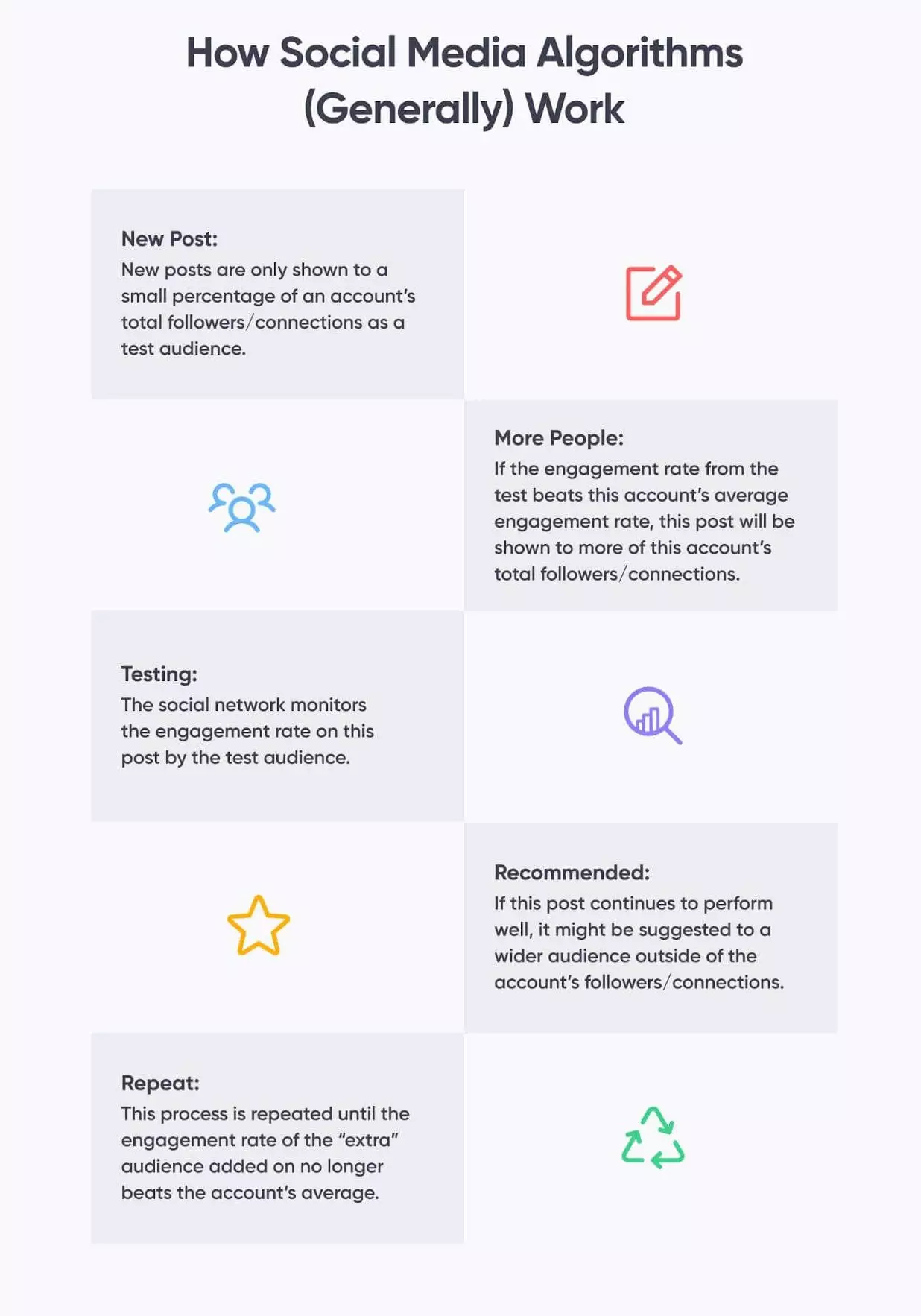
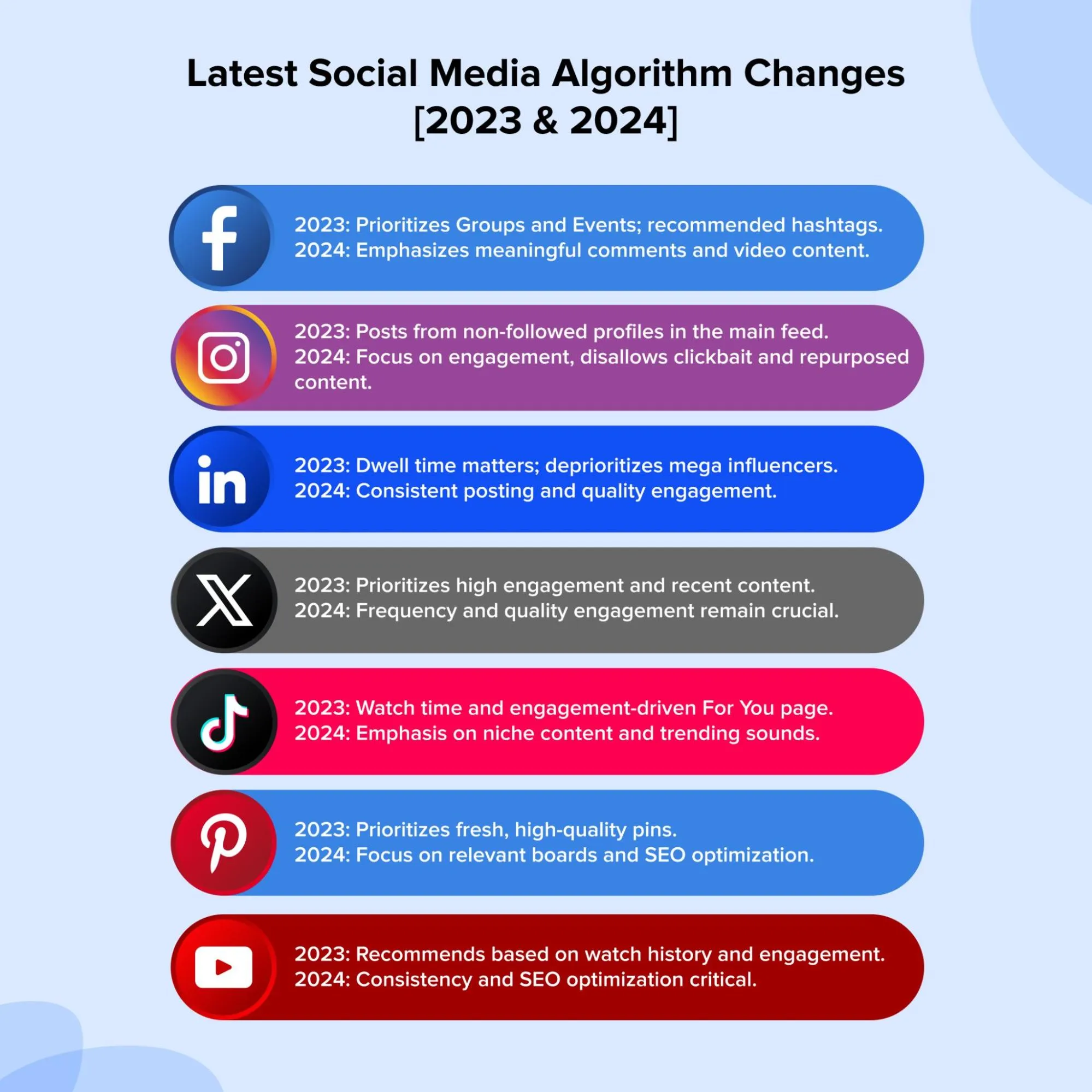
Twitter's trending algorithm underwent significant changes through 2023, shifting from simple engagement metrics to what researchers call "coordinated amplification patterns." According to recent studies on platform algorithms, the system now identifies and promotes content clusters that generate sustained engagement, regardless of their connection to real-world events.
Zendaya represents the perfect algorithmic celebrity. Her fanbase has mastered what researchers term "coordinated trend pushing"—the practice of systematically driving hashtags and topics into trending territory. But here's where it gets interesting: the algorithm has learned to anticipate and amplify these efforts.
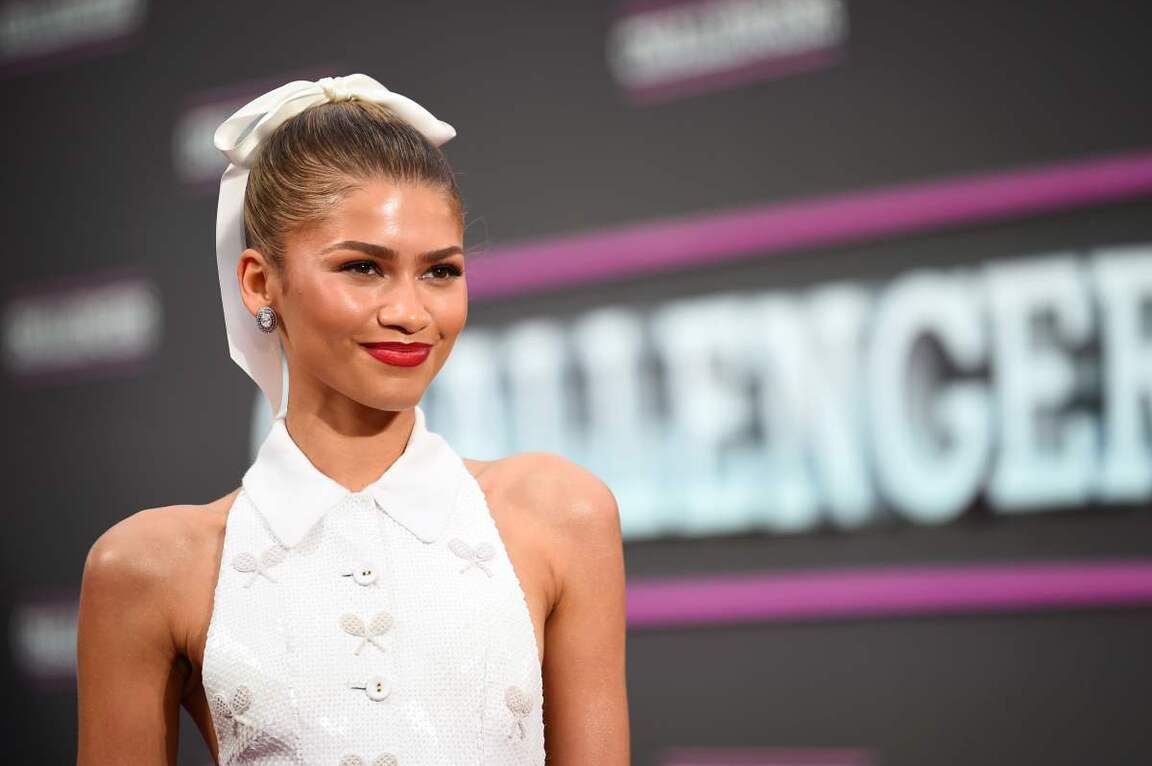
The system recognizes patterns. When Zendaya-related content begins gaining traction, it receives algorithmic boost based on historical engagement data. A single photo from 2024's "Challengers" promotion can resurface months later, generating thousands of retweets and pushing her name back into trending territory.
"The power of influencers to shape online discourse stems from their symbiotic relationship with platform algorithms, their skill in leveraging this knowledge, and their capacity to mobilize communities."
This creates a feedback loop. Fans post content knowing it will likely trend. The algorithm, recognizing the engagement potential, amplifies it further. Zendaya trends not because she's actively doing anything, but because the system has learned she's a reliable engagement generator.
When Algorithms Become Cultural Gatekeepers
Traditional media gatekeepers—editors, producers, programmers—decided what deserved public attention based on newsworthiness, cultural significance, or commercial value. Social media algorithms make these decisions based on engagement metrics and predictive models.
The result is what researchers call "algorithmic public opinion"—discourse shaped not by what's happening in the world, but by what the algorithm predicts will generate engagement. Zendaya's consistent trending power demonstrates this perfectly. Her presence in cultural conversations has become algorithmically sustained rather than event-driven.
Consider the numbers: engagement rates on X fluctuated dramatically throughout 2024, with significant spikes around major news events. But celebrity content, particularly from algorithmic darlings like Zendaya, maintained more consistent engagement levels. The platform struggles to keep users' attention outside major news events, so it increasingly relies on celebrity content to fill the gaps.
This represents a fundamental shift in how culture gets made. We're not just consuming celebrity content—we're participating in an algorithmic system that manufactures celebrity relevance independent of their actual activities.
The Decoupling Effect
Perhaps most striking is how celebrity trending has become completely decoupled from traditional media cycles. Zendaya can trend while major political developments, economic news, or global events struggle for algorithmic attention.
Research from Oxford's Reuters Institute reveals that people navigate social media news with "generalized skepticism," showing low trust in both editorial and algorithmic curation. Yet they continue engaging with celebrity content at high rates, suggesting these trends serve different psychological functions than news consumption.

The algorithm doesn't distinguish between a celebrity's new project announcement and a recycled photo from last year's Met Gala. Both can generate comparable trending power if they hit the right engagement triggers. This creates what researchers describe as "temporal flattening"—where past and present celebrity moments exist in the same algorithmic space.
Zendaya's team likely doesn't need to actively manage these trends. The algorithm has essentially automated her cultural presence, sustaining public attention through sophisticated pattern recognition and amplification systems.
The Economics of Algorithmic Attention
This isn't just cultural phenomenon—it's economics. Celebrity trending generates significant value for platforms through sustained user engagement, ad impressions, and data collection opportunities. Zendaya's trending power represents millions in indirect advertising value.
Brands have noticed. Fashion houses, beauty companies, and entertainment studios now factor algorithmic trending potential into their celebrity partnerships. It's not enough to hire someone famous—you need someone who trends algorithmically.
"Twitter aggregates, in real time, the most popular search terms as trending lists and allows users to learn what is happening in the world. But increasingly, what's 'happening' is algorithmically constructed rather than event-driven."
The implications extend beyond marketing. Political movements, social causes, and legitimate news stories now compete for algorithmic attention with celebrity content that's engineered for engagement. When Zendaya trends consistently while climate reports or policy announcements struggle for visibility, we're witnessing algorithmic editorial decisions at massive scale.
This creates perverse incentives. Content creators and even news organizations increasingly structure their output to mimic celebrity trending patterns, leading to what critics call the "celebritization" of all discourse.
What This Means for Cultural Discourse
Zendaya's algorithmic dominance reveals something profound about how cultural conversations now work. We're not just talking about what interests us—we're talking about what algorithms predict will generate the most engagement from people like us.
The system has become sophisticated enough to manufacture cultural moments. A decade ago, celebrities needed publicists, media appearances, and coordinated campaigns to dominate public attention. Now they need algorithmic alignment and fanbase coordination.
This doesn't necessarily make celebrity culture worse or better—it makes it different. More persistent, more divorced from traditional merit or newsworthiness, more dependent on technical systems than human curation.
The broader implications are significant. If algorithms can sustain celebrity relevance independent of their activities, they can presumably do the same for political figures, brands, or ideologies. We're living through the emergence of algorithmic culture, where what trends isn't necessarily what matters, but what the system predicts will generate sustained engagement.
Understanding this dynamic is crucial for anyone trying to navigate modern information landscapes. Zendaya's trending dominance isn't just entertainment industry news—it's a window into how algorithmic systems increasingly shape what we collectively pay attention to, discuss, and ultimately care about.