The Viral TikTok Recipe Industrial Complex Is Built on a Lie
Why baked oats and whipped coffee only work for people with professional lighting and editing software—and what that says about our relationship with 'easy' food.
Your baked oats look like concrete. The whipped coffee collapsed into brown sludge within minutes. That perfectly golden, cake-like breakfast from TikTok? It exists only in a universe where ring lights cost more than your monthly grocery budget and every kitchen mishap gets edited out.
Welcome to the viral recipe industrial complex, where 30-second videos have convinced millions that cooking is supposed to be effortless, photogenic, and foolproof. The reality is messier, more expensive, and infinitely more frustrating than your For You page suggests.
The Great Baked Oats Deception
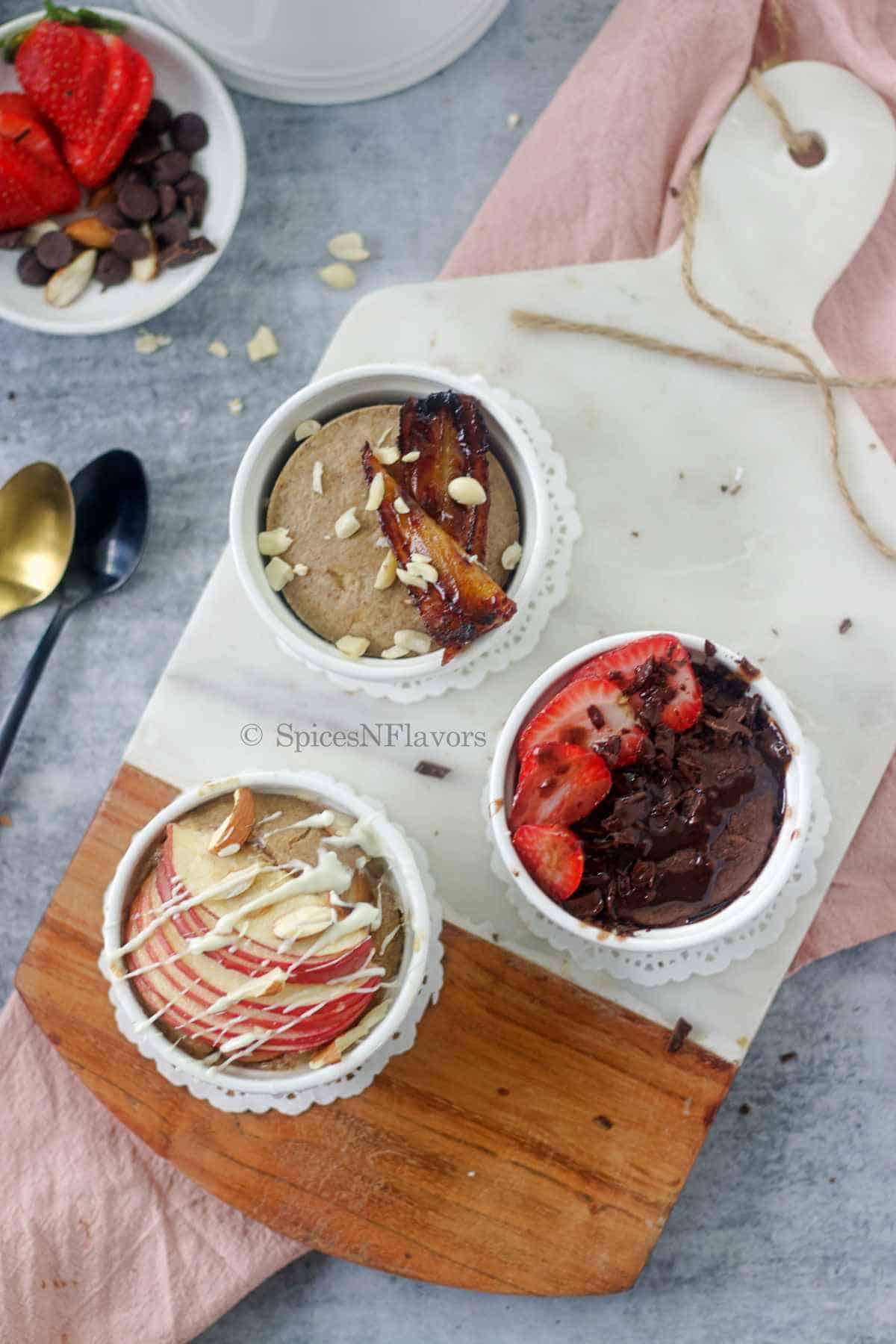
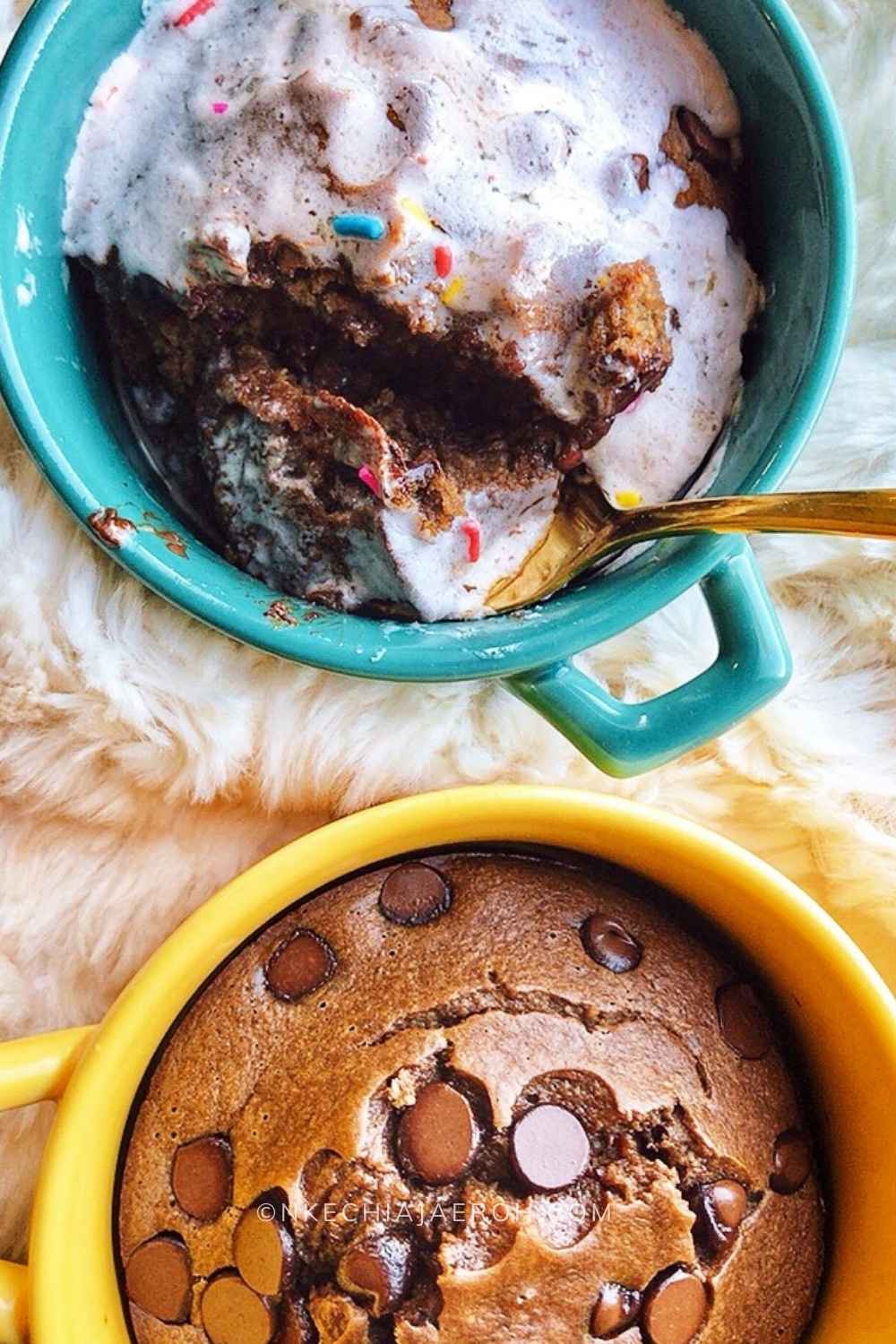
Baked oats exploded across TikTok in 2021 with a seductive promise: a healthy breakfast that tastes like cake. Food bloggers called it "easy, versatile, and healthy" with "cake taste and texture." The recipe seemed simple enough. Blend oats with banana, milk, and baking powder. Bake for 20 minutes. Wake up to dessert for breakfast.
But here's what those viral videos don't show you: the failed attempts.
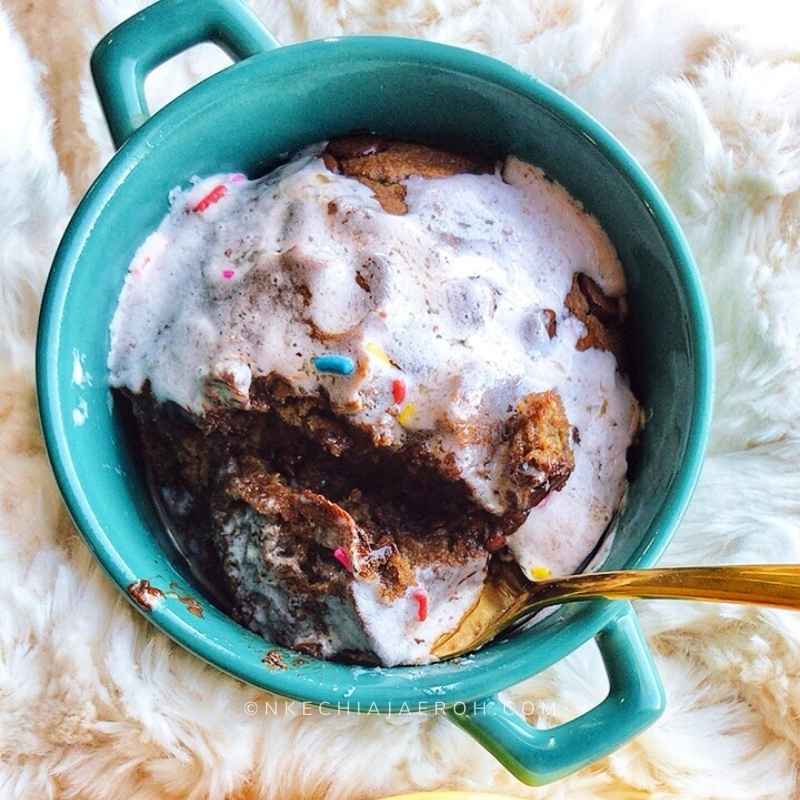
The recipe works, technically. But it works the way a vintage sports car works—only under very specific conditions, with the right equipment, and after you've mastered a dozen small details that nobody mentions upfront. Your first attempt will likely produce something that looks like savory bread pudding and tastes like disappointment.
The problem isn't the recipe itself. It's the gap between expectation and reality that these platforms have engineered. Professional food creators use specific oat types, precise oven temperatures, and often reshoot the same dish multiple times. They know that old-fashioned oats create a different texture than quick oats, that altitude affects baking time, and that some bananas are too ripe while others aren't ripe enough.
You don't know these things because the video is 45 seconds long.
The Lighting Conspiracy
Food presentation impacts taste perception more than most people realize. Studies in food psychology consistently show that visual appeal directly influences how we experience flavor. That golden-brown baked oats dish doesn't just look better under professional lighting—it actually tastes better to your brain.
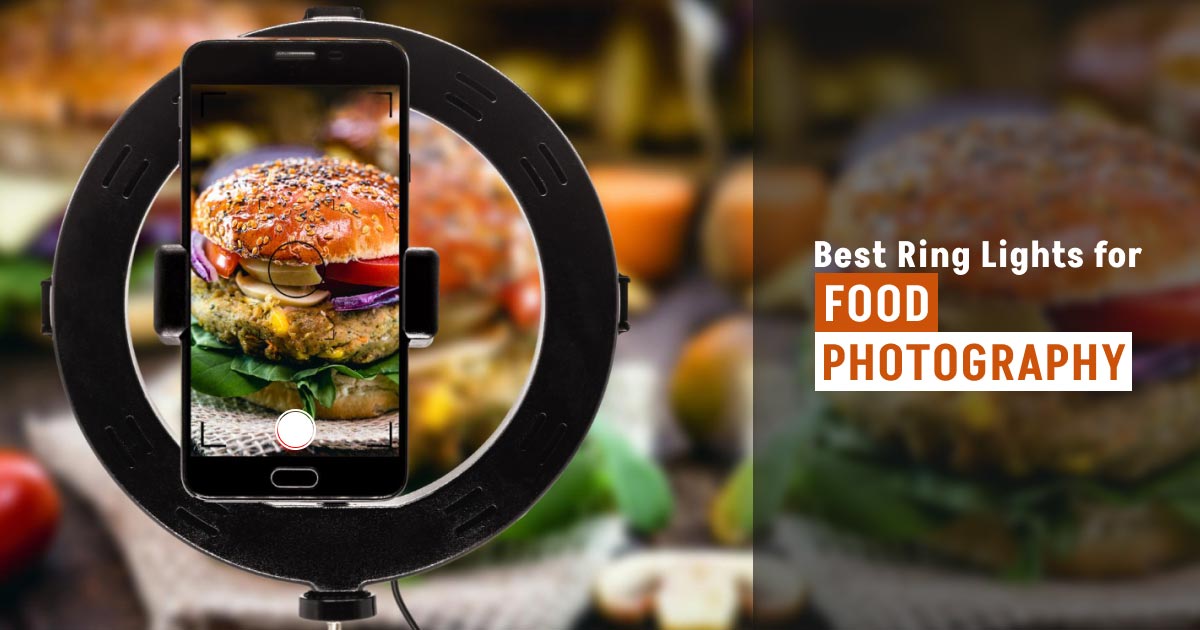
Ring lights designed for food photography cost between $50 and $300. Professional-grade softboxes run $200 to $500. The creators making viral recipe content often invest thousands in lighting equipment, not to mention cameras, editing software, and hours of post-production work.
Your kitchen's overhead fluorescent bulb casts harsh shadows and turns even the most beautiful dish into something that looks like cafeteria food. The same baked oats that glow golden and inviting under a $200 ring light will look gray and unappetizing under standard home lighting.
This isn't vanity. It's physics. And it's creating a massive disconnect between what viral recipes promise and what home cooks can actually achieve.
The Failure-Free Fantasy
Professional chefs and cooking instructors have identified the biggest problem with TikTok recipes: they present cooking as if it never involves failure, adjustment, or learning. Real cooking is iterative. You make something, it doesn't work quite right, you adjust the recipe, and you try again.
Every "failed" recipe is actually teaching you something. And over time, those lessons compound into genuine cooking skills.
But viral recipe culture has no patience for this process. The algorithm rewards content that makes cooking look effortless and results look perfect. Creators who show their failures or explain the troubleshooting process get fewer views than those who pretend everything works on the first try.
This creates a cruel feedback loop. Home cooks attempt viral recipes with unrealistic expectations, fail to achieve the same results, and conclude they're bad at cooking. Meanwhile, the creators continue producing content that makes cooking look easier than it actually is, because that's what gets engagement.
The truth is that most professional food creators fail multiple times before getting the shot. They just edit out everything except the perfect final result.
The Economics of Easy
Viral recipes promise convenience, but they often require specialty ingredients that cost significantly more than traditional alternatives. Baked oats call for specific types of oats, protein powder, almond butter, and fresh berries. A single serving can cost $3 to $5 in ingredients alone.
Compare that to actual oatmeal, which costs about 30 cents per serving and requires no special equipment, precise timing, or Instagram-worthy presentation skills.
The viral recipe economy thrives on this contradiction. It markets expensive, time-intensive dishes as quick and easy because the video editing makes them appear simple. The hidden costs—both financial and temporal—only become clear after you've committed to trying the recipe yourself.
Food bloggers compound this problem by describing these recipes as "easy" and "versatile" without acknowledging the learning curve, equipment requirements, or ingredient costs involved. They're not lying, exactly, but they're not telling the whole truth either.
What This Says About Us
Our obsession with viral recipes reveals something deeper about how we relate to food and cooking in the digital age. We want the satisfaction of homemade food without the messiness of actually learning to cook. We want Instagram-worthy results without investing in Instagram-worthy equipment or skills.
This isn't necessarily wrong, but it is unrealistic. And it's making a lot of people unnecessarily frustrated with cooking.
The most successful home cooks treat viral recipes as starting points, not finished instructions. They understand that adapting a recipe to their kitchen, equipment, and preferences is part of the process, not a sign of failure.
Real cooking involves trial and error. It involves making adjustments based on your ingredients, your equipment, and your taste preferences. It involves accepting that your food will rarely look like the perfectly lit, professionally styled versions you see online.
And that's okay. Food that tastes good matters more than food that photographs well.
The same creative energy that goes into staging the perfect food shot could be redirected toward actually improving your cooking skills.
A Better Way Forward
Instead of chasing viral recipe perfection, focus on building fundamental cooking skills that will serve you long after TikTok moves on to the next food trend. Learn how different ingredients behave. Understand how your oven actually heats. Practice adjusting recipes based on what you have available.
When you do try viral recipes, approach them with realistic expectations. Your first attempt probably won't look like the video, and that's normal. Your kitchen lighting will never match professional food photography setups, and that's fine.
The goal isn't to recreate viral content. It's to make food that you enjoy eating. Sometimes that food will be photogenic, and sometimes it won't. Both versions can be delicious.
The viral recipe industrial complex wants you to believe that cooking should be effortless and results should be perfect. The truth is that cooking is a skill that improves with practice, patience, and acceptance of occasional failure. Your concrete-textured baked oats might not break the internet, but they'll teach you something valuable about cooking that no 30-second video ever could.