Trump's $6.4 Million Per Job Data Center Deal Isn't About AI—It's About Corporate Welfare
Behind the tech-forward rhetoric lies a familiar story of massive subsidies with minimal oversight and questionable returns for taxpayers.
While President Trump announced his "ratepayer protection pledge" for AI data centers during his State of the Union address, a different story was unfolding in upstate New York. Genesee County had just approved $801 million in tax breaks for Stream Data Centers in exchange for creating 125 jobs. The math is stark: $6.4 million in subsidies per job created.
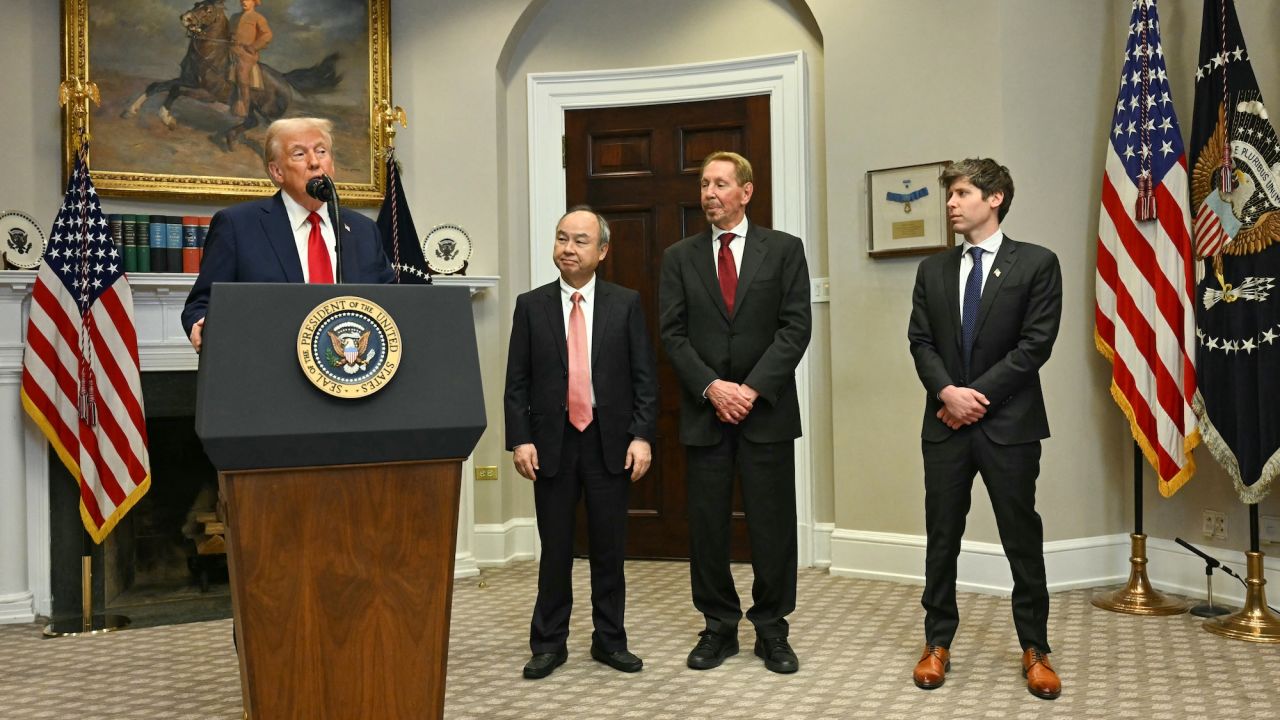
This isn't an outlier. It's the blueprint for how America funds its AI future, and lawmakers are starting to ask uncomfortable questions about who really benefits.
The Pledge That Promises Everything and Nothing
On March 4, Amazon, Google, Meta, Microsoft, and xAI will gather at the White House to sign Trump's pledge requiring tech companies to "supply their own power" for AI data centers. The president framed this as protection for ordinary Americans worried about rising electricity bills.
The reality is more complex. Amazon already announced it's working with Southwestern Electric Power Company to pay 100% of costs for its Louisiana data center campus. Microsoft made similar commitments. These companies were moving in this direction anyway as grid capacity became a bottleneck for expansion.
What the pledge doesn't address is the $60 billion chip deal between AMD and Meta, or Oracle's $20 billion cloud computing negotiations with the same company. It sidesteps the fundamental question: if these companies have tens of billions for infrastructure deals, why do they need taxpayer subsidies?
"Many Americans are concerned that energy demand from AI data centers could unfairly drive up their electric utility bills," Trump said, while simultaneously blessing a system that hands these same companies massive tax breaks.
The Hidden Scale of Data Center Welfare
At least 36 states offer subsidies specifically crafted for data centers, but only 11 disclose which companies receive them. Virginia, the world's largest data center market, forgoes nearly $1 billion in state and local tax revenue annually without revealing which companies benefit or how much they receive.

The numbers that do surface are staggering. Good Jobs First tracked only three data center subsidies larger than Stream's $801 million deal: two for Amazon worth over $1 billion each, and one for Apple valued at nearly $900 million. A data center in Lockport received $2.4 million in tax breaks per job created.
These aren't mom-and-pop operations struggling to get off the ground. These are some of the world's most profitable companies, flush with cash from the AI boom, receiving subsidies that dwarf traditional manufacturing incentives.
The Jobs That Never Materialize
Data centers promise economic development but deliver something different. Unlike manufacturing plants that employ hundreds or thousands of workers, data centers are largely automated. Stream Data Centers will create just 125 permanent jobs for $801 million in subsidies. That's not economic development, it's corporate charity.
The construction phase provides temporary employment, but once operational, data centers require minimal staffing. A few technicians, some security personnel, and remote monitoring handle facilities worth billions. The real employment impact comes from the professional services sector in major cities, not the rural communities that compete most aggressively for these projects.
State economic development agencies sell these deals as job creators, but the math reveals a different story. Traditional manufacturing incentives might cost $50,000 to $100,000 per job. Data center deals routinely exceed $1 million per job, with the most egregious examples approaching $10 million.

AI Infrastructure as National Security Theater
OpenAI's CFO Sarah Friar recently floated federal support for AI computing infrastructure, comparing it to 19th-century railroad subsidies. The comparison is instructive, but not in the way she intended. Railroad subsidies created one of the largest corruption scandals in American history, enriching well-connected investors while saddling taxpayers with debt.
Today's AI infrastructure push follows similar patterns. Public-private partnerships combine "government legitimacy, industry capability and civic oversight," according to the World Economic Forum. In practice, this often means taxpayers assume the risks while private companies capture the profits.
The national security argument for AI dominance is real, but it doesn't justify unlimited corporate welfare. China's state-directed approach to AI development poses genuine competitive threats. However, American companies like Meta and Google aren't struggling for capital. They're swimming in it, generating hundreds of billions in revenue annually.
Competition authorities should be alert to structural vulnerabilities in upstream markets and continue advocating for enhanced procurement design to actively deter collusion such as bid rigging, according to OECD analysis.
What Lawmakers Are Really Worried About
Behind closed doors, state legislators express frustration with the data center subsidy arms race. They compete against neighboring states for projects that provide minimal long-term employment while consuming vast amounts of electricity and water.
The lack of transparency makes oversight nearly impossible. When states don't disclose subsidy recipients or amounts, taxpayers can't evaluate whether they're getting value for money. This opacity isn't accidental, it's designed to prevent the kind of public scrutiny that might derail lucrative deals.
Some lawmakers are pushing back. They're demanding clawback provisions if job targets aren't met, requiring environmental impact assessments for energy-intensive projects, and insisting on public disclosure of subsidy amounts and recipients.
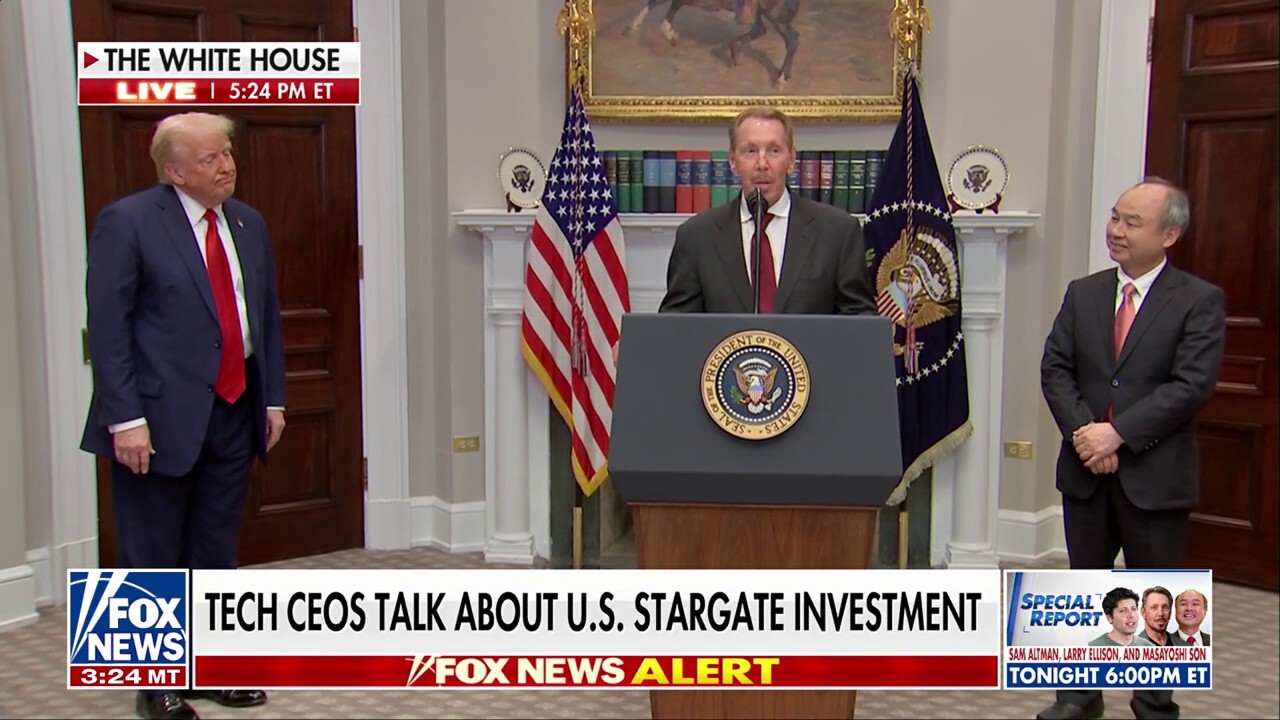
The broader concern is that AI infrastructure subsidies set precedents for other emerging technologies. If data centers can command billions in taxpayer support despite generating enormous private profits, what happens when the next technological revolution arrives?
The Real Cost of Fake Competition
Trump's data center pledge sounds like market discipline, but it's window dressing on a system that socializes costs and privatizes benefits. Companies will "supply their own power" while receiving tax breaks worth billions. They'll "pay their own way" while states compete to offer the most generous subsidies.
The fundamental problem isn't energy costs or grid capacity. It's a system that treats profitable corporations like charitable causes deserving public support. When Stream Data Centers receives $6.4 million in subsidies per job created, that's not economic development. It's wealth redistribution from taxpayers to shareholders.
Real reform would require transparency in all subsidy deals, strict job creation requirements with meaningful penalties, and honest accounting of opportunity costs. Every dollar spent subsidizing profitable tech companies is a dollar not available for education, infrastructure, or other public priorities.
The AI revolution will happen with or without massive corporate subsidies. The question is whether taxpayers will fund it while tech companies reap the rewards, or whether we'll demand that profitable corporations invest their own money in their own futures. Trump's pledge asks companies to pay for electricity while handing them billions in tax breaks. That's not protection for ratepayers. That's protection for corporate profits at public expense.