Trump's 10% Global Tariff Gambit Exposes the Real Game Behind His Trade Theater
Hours after losing his Supreme Court tariff case, Trump found a new legal loophole that reveals his actual economic strategy.
Within hours of the Supreme Court striking down his signature tariffs in a 6-3 ruling on February 20, 2026, Donald Trump pulled a legal rabbit from his hat. Instead of accepting defeat, he announced an immediate 10% global tariff on all foreign goods under Section 122, a rarely-used trade law that cites balance-of-payments crises as justification.
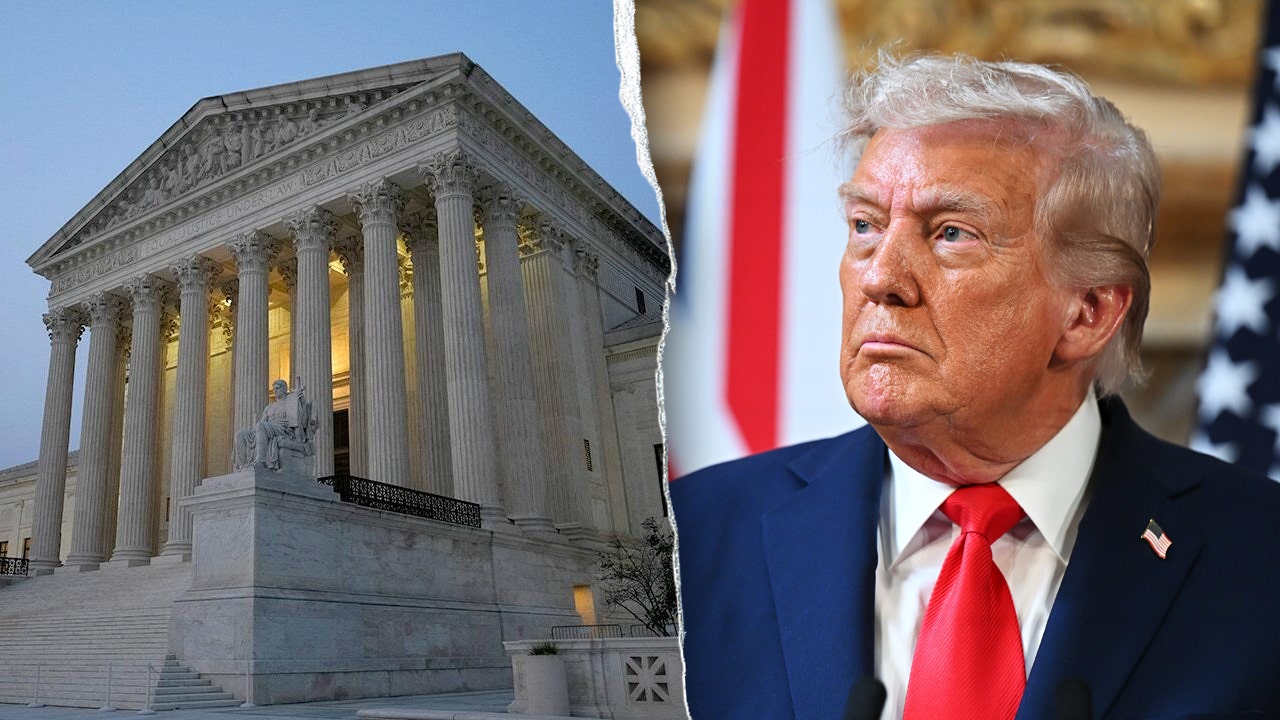
This wasn't just political theater or wounded pride. The speed of Trump's pivot reveals something more calculated: a deliberate strategy of legal forum shopping that transforms trade policy into a constitutional stress test. While markets reacted with predictable volatility, the real story lies in what this maneuver signals about Trump's long-term approach to executive power.
The Supreme Court Victory That Became Trump's Legal Blueprint
The Supreme Court's ruling should have been Trump's Waterloo moment on trade policy. Half of the conservative majority sided against him, declaring that the International Emergency Economic Powers Act of 1977 "does not authorize the President to impose tariffs." For most presidents, this would have ended the tariff experiment.
Trump's response was immediate and telling. Rather than appeal or negotiate with Congress, he shifted to Section 122, a provision that allows tariffs during balance-of-payments emergencies. This legal gymnastics revealed the administration's true strategy: not winning on the merits, but finding alternative pathways around judicial obstacles.
The Supreme Court ruling actually handed Trump a roadmap. By striking down emergency powers as tariff justification, the Court inadvertently highlighted which authorities remained untested. Section 122 had never faced serious constitutional challenge, making it the perfect vehicle for Trump's next act.
Trump has transformed trade policy into a constitutional stress test, probing every legal boundary until something breaks or bends.
Markets Read the Real Signal: Policy Uncertainty Is the New Normal
European markets absorbed the double blow of Supreme Court victory followed by immediate tariff resurrection with surgical precision. According to Economics Letters analysis, EU STOXX 600 firms saw significant reductions in abnormal and cumulative returns, with IT, materials, and energy sectors hit hardest while healthcare and communications showed resilience.
The pattern reveals sophisticated market intelligence. Investors didn't celebrate the Supreme Court ruling because they understood what Trump's critics missed: legal victories against this administration are temporary inconveniences, not permanent defeats.

Smaller firms suffered disproportionately, reflecting their limited diversification and higher trade exposure. This wasn't random market jitters. It was recognition that Trump's tariff policy creates a new baseline of uncertainty where yesterday's legal victory becomes today's policy reversal.
The Bloomberg analysis captured this dynamic perfectly: tariff turbulence now risks torpedoing factory recovery because businesses can't plan investments when trade rules shift weekly based on legal maneuvering.
The Balance-of-Payments Gambit: Economics Meets Legal Fiction
Trump's Section 122 justification rests on claiming a balance-of-payments crisis, an economic condition that doesn't currently exist by any standard measure. The U.S. trade deficit, while substantial, doesn't constitute the emergency contemplated by the 1970s-era law.
This legal stretch matters because it reveals Trump's willingness to bend economic reality to fit available authorities. Stephen Roach's analysis in Project Syndicate noted that the Supreme Court positioned "the rule of law as the ultimate arbiter of a terrible economic policy." Trump's response suggests he views legal compliance as a puzzle to solve rather than a constraint to respect.
The administration's Congressional Research Service filing indicates Trump has now increased tariffs on imports from all global partners using multiple, overlapping authorities. This isn't policy coherence. It's legal shotgun blasting, hoping something survives judicial review.
International partners from Ottawa to New Delhi responded with muted concern precisely because they recognized this pattern. The Supreme Court ruling wouldn't end Trump's tariff obsession. It would just force more creative justifications.
Factory Recovery Meets Constitutional Crisis
The timing of Trump's tariff pivot couldn't be worse for American manufacturing. Factory recovery depends on predictable supply chains and stable input costs. Trump's legal maneuvering creates the opposite: a policy environment where import costs can shift overnight based on court calendars and presidential tweets.
The Peterson Institute analysis shows Trump's new tariffs, if fully implemented, would create the highest trade barriers since World War II. That historical context matters because it demonstrates the unprecedented nature of using executive authorities to reshape global trade relationships without Congressional approval.
Manufacturing executives now face impossible planning scenarios. Do they source domestic alternatives at higher costs, betting Trump's tariffs survive legal challenges? Or do they absorb temporary tariff costs, gambling that courts will eventually restore free trade? Either choice involves massive financial risk.
The NPR analysis of Trump's "tariff chaos" timeline shows a pattern of policy reversals driven by market reaction and political pressure. After stock market drops and automaker outcry, Trump delayed tariffs against Mexico and Canada. This suggests his tariff strategy remains tactically flexible but strategically committed to protectionism.
What Global Partners Really Fear: Institutional Erosion
Foreign governments' muted response to both the Supreme Court ruling and Trump's immediate tariff counter-move reveals deeper concerns about American institutional stability. They're not just managing trade disputes anymore. They're hedging against the possibility that U.S. policy commitments have become meaningless.
The Chatham House analysis captures this institutional damage: Trump's tariff policy "undermines America's economic strengths" and "damages US economic power" internationally. When partners can't rely on legal rulings to constrain presidential behavior, they start building alternative economic relationships.
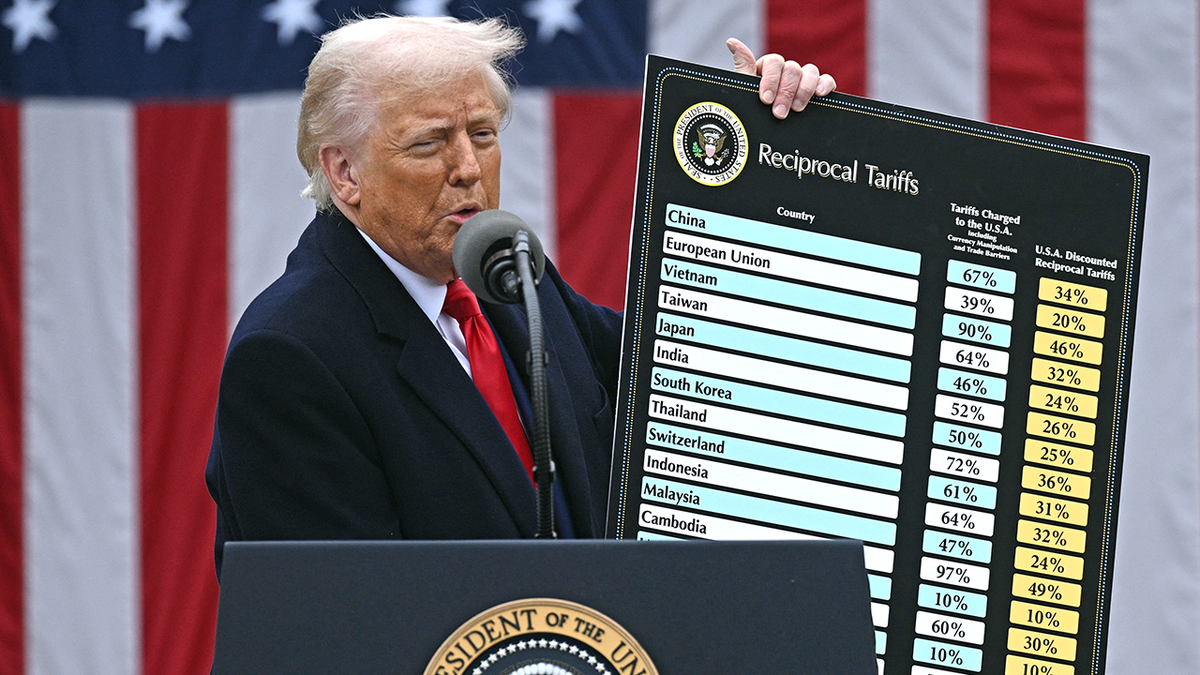
Trump's "reciprocal tariff" framework promises to match other countries' import taxes "for purposes of fairness." This sounds reasonable until you realize it essentially abandons 70 years of multilateral trade agreements in favor of bilateral economic warfare.
The CSIS analysis highlights tremendous uncertainties surrounding policy timing, extent, and duration, plus expected retaliation from other countries. This uncertainty tax affects every American business involved in global trade, regardless of their political preferences.
When Supreme Court rulings become temporary speed bumps rather than constitutional guardrails, America's trading partners start planning for a post-institutional world.
The Real Strategy: Legal Darwinism in Trade Policy
Trump's tariff evolution from emergency powers to balance-of-payments crisis reveals a sophisticated understanding of legal vulnerabilities in executive authority. Rather than building Congressional coalitions or negotiating international agreements, he's stress-testing every available presidential power until he finds ones that stick.
This approach treats constitutional law like a video game, probing for exploits and workarounds rather than respecting intended limitations. The Supreme Court ruling forced Trump to level up his legal strategy, not abandon his economic agenda.
The administration's promise of 60% tariffs on Chinese imports and potential 100% tariffs on BRICS nations creates a hierarchy of economic punishment that resembles foreign policy more than trade policy. Countries get sorted into penalty boxes based on political relationships rather than economic fundamentals.
For American businesses and consumers, this means trade policy has become a constitutional experiment with their livelihoods as test subjects. Every new legal authority Trump discovers becomes another source of potential cost increases and supply chain disruption.
The lesson for markets and policymakers is clear: legal victories against Trump's trade agenda buy time, not resolution. Until Congress explicitly constrains presidential tariff authority or courts find constitutional grounds to block all trade-based executive actions, expect continued legal innovation in service of protectionist goals. The Supreme Court ruling wasn't Trump's defeat. It was his legal education.