TikTok's Algorithm Is Eating Its Own Children
The platform that democratized viral content is quietly choking creators to death—and they're fighting back in unexpected ways.
TikTok once promised something revolutionary: a meritocracy where a teenager in their bedroom could outperform Nike with the right 15-second video. The algorithm didn't care about your follower count, your budget, or your blue checkmark. It cared about one thing: did people watch?
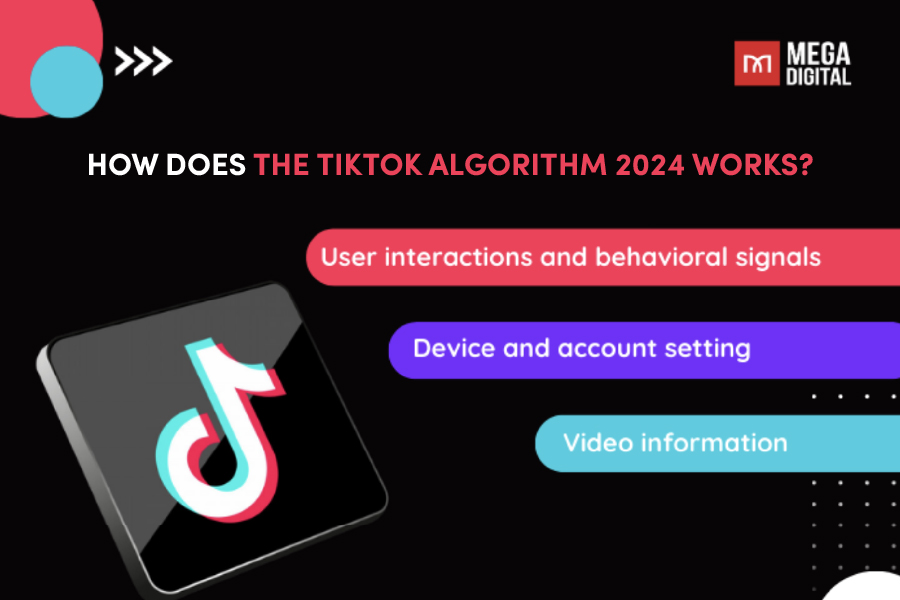
That promise is dying. Creators across the platform report view counts dropping by 70% or more over the past year. Comments on Reddit tell the same story: "TikTok's pushing ads harder now so organic reach tanked. They changed the algo to favor paid content. Instagram's actually better for organic rn."
The platform that disrupted social media is now following the same playbook that killed organic reach on Facebook and Instagram. But this time, the collapse is happening faster—and creators are adapting in ways that might just save them.
The Numbers Don't Lie: Organic Reach Is Hemorrhaging
The data is stark. Industry reports confirm that TikTok is systematically pulling back organic traffic, forcing brands to pay for views that once came naturally. Where quirky products like "Taco Blankets" and "Claw-Toe Socks" once racked up millions of views without spending a dime, sellers now find themselves invisible without ad spend.
TikTok's own internal metrics reveal the shift. The platform's 2024-25 strategy documents show a deliberate move from subsidizing organic reach to monetizing every interaction. Free shipping promotions and discount campaigns that once boosted organic visibility have been quietly scaled back.
Research from Zhou (2024) shows that TikTok's algorithm still technically recommends content based on user behavior rather than follower count. But the definition of "user behavior" has expanded to include ad engagement, shop interactions, and paid content consumption.
The math is simple: when paid content gets priority distribution, organic content gets squeezed out.
Why TikTok's Algorithm Started Eating Itself
Understanding this shift requires looking at TikTok's business model evolution. In 2024, the platform introduced aggressive monetization targets while facing regulatory pressure in the US. The combination created a perfect storm.
Unlike Instagram or Facebook, where algorithmic reach is largely proportional to existing audience size, TikTok's "For You" feed distributes content based on early performance signals—watch time, shares, and replays—regardless of whether viewers already follow the account.
That democratic distribution system became TikTok's weakness. When everyone has equal access to viral potential, no one wants to pay for ads. Why spend money when your organic post might blow up anyway?
TikTok solved this problem by quietly degrading organic performance. The algorithm still measures watch time and engagement, but it now applies different thresholds for paid versus organic content. A sponsored video might get distributed after 100 positive signals, while an organic post needs 1,000.

The shift accelerated with TikTok Shop's expansion. E-commerce integration meant the platform could capture revenue from both advertising and transactions. Organic creators, who generate engagement but no direct platform revenue, became a liability rather than an asset.
The Creator Survival Playbook: Adapt or Die
Smart creators aren't just complaining about the changes—they're adapting. The most successful have identified three key strategies that still work within the degraded system.
First, they're going long-form. TikTok's 2026 algorithm prioritizes watch time over raw view counts, rewarding videos between 60-180 seconds. Creators who once specialized in quick hits are now building narrative arcs that hold attention.
Second, they're gaming the first-hour window. New research shows that TikTok's algorithm makes critical distribution decisions within the first 60 minutes of posting. Creators are now coordinating with their core audiences to ensure strong initial engagement.

Third, they're treating TikTok as a funnel, not a destination. The smartest creators use the platform to drive traffic to email lists, Discord servers, and other owned channels. They've learned the Facebook lesson: never build your business entirely on rented land.
One creator with 500K followers told me she now makes more money from her 5,000-person email list than from TikTok's Creator Fund. "Views are vanity metrics now," she said. "Email subscribers pay my rent."
The AI Content War Nobody's Talking About
There's another factor killing organic reach that most creators don't even realize: AI content flooding. TikTok's 2026 algorithm updates explicitly favor "authentic human creators over AI-generated videos," which tells you everything about how much AI content the platform is fighting.
Tools like OpusClip and other AI video generators have made it trivially easy to produce TikTok content at scale. The platform is drowning in synthetic videos, forcing the algorithm to work overtime identifying authentic creators.
TikTok's algorithm in 2026 will prioritize watch time over views, reward niche-specific content, and favor authentic human creators over AI-generated videos.
This creates a paradox: the algorithm is simultaneously getting better at detecting fake content while making it harder for real creators to get seen. The solution for human creators is to lean into obviously human elements—mistakes, personality quirks, and unpolished moments that AI can't replicate.
The most successful creators are also using AI tools strategically rather than avoiding them entirely. They'll use AI to generate initial ideas or edit clips, but always add distinctive human elements that signal authenticity to the algorithm.
What This Means for Brands and Creators
The TikTok gold rush is over, but the platform isn't dead—it's just expensive now. Brands that adapted early by building hybrid organic-paid strategies are thriving. Those still chasing free viral hits are getting crushed.
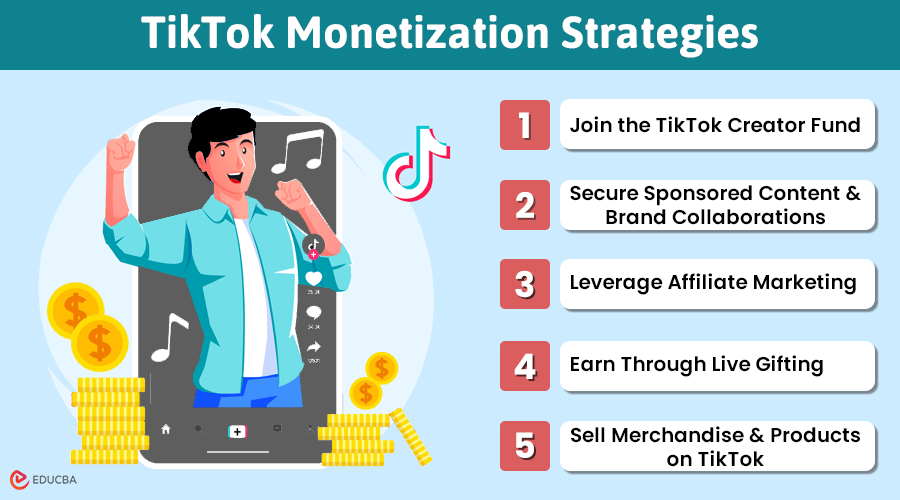
For creators, the message is clear: diversify or die. TikTok can still drive discovery and audience building, but it can't be your only revenue source. The creators surviving this transition are treating the platform as one part of a broader content ecosystem.
The broader lesson applies beyond TikTok. Every social platform follows the same lifecycle: launch with high organic reach to attract users, then monetize by reducing that reach. We've seen it with Facebook, Instagram, and Twitter. TikTok just moved through the cycle faster than anyone expected.

The smart money is already moving to the next platform. But for creators and brands still betting on TikTok, success means accepting the new reality: you're not just competing with other creators anymore—you're competing with the platform's need to make money.
The algorithm that once democratized virality is now just another advertising platform with a good recommendation engine. The question isn't whether you can afford to advertise on TikTok—it's whether you can afford not to have a plan for when the next platform starts eating its children too.