The TikTok Trend That's Actually Revealing Something Uncomfortable About How We Judge People
The viral 'Character from Childhood Photos' trend says more about our need to categorize others than it does about actual personality.
A seven-year-old girl poses with pigtails and a gap-toothed grin. Within seconds, TikTok users have diagnosed her entire personality: "Definitely the type who would steal your boyfriend but also bake you cookies to apologize." Another photo shows a boy covered in mud, prompting hundreds of comments about his "chaotic energy" and "future entrepreneur vibes." Welcome to the internet's latest obsession with playing amateur psychologist.
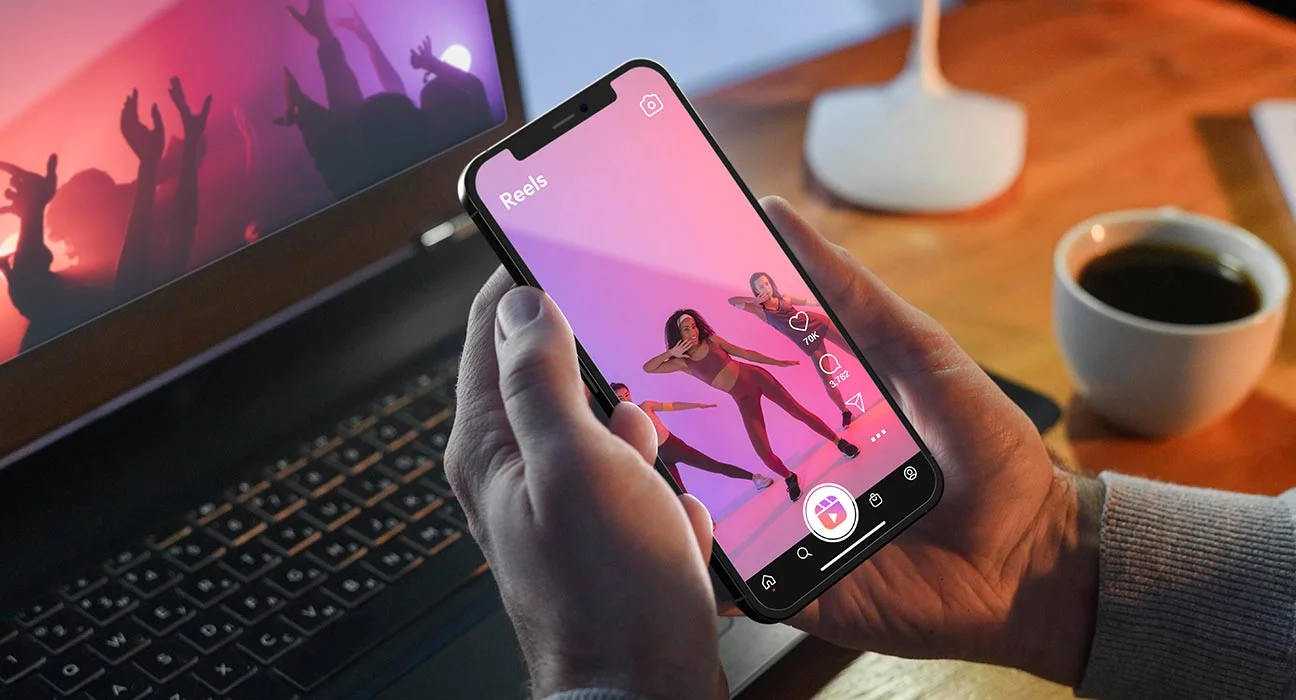
The "Character from Childhood Photos" trend has exploded across TikTok, with videos garnering millions of views as users dissect old family photos to reveal supposed personality traits. Creators like @dashkaa4056 and @georgianatawaf have built followings by claiming they can decode someone's entire character from a single childhood snapshot. But what this trend actually reveals is far more telling than any personality analysis: our desperate need to categorize, judge, and feel superior to others through pseudo-scientific assessment.
The Illusion of Instant Expertise
The trend follows a predictable formula. A creator displays a childhood photo, usually of themselves or a willing participant, then launches into a detailed character analysis based on facial expressions, posture, clothing choices, or background elements. "The way she's holding that stuffed animal tells me she's a people-pleaser with abandonment issues," reads one typical comment with over 50,000 likes.
This isn't harmless fun. It's the latest manifestation of our culture's obsession with quick psychological profiling, dressed up as entertainment.
Dr. Qi Wang's research at Cornell University found that "the impression people form about us on social media based on what we post can differ from the way we view ourselves." Her study, published in 2024, was the first to examine how audience perceptions of social media users differ dramatically from self-perception. The childhood photo trend takes this disconnect to an extreme, with strangers making definitive claims about personality based on images taken decades ago.
The problem isn't just inaccuracy. It's the confidence with which these assessments are delivered and consumed.
Why We're So Eager to Judge
Psychology Today's analysis of trend-following behavior reveals that our participation in viral content stems from "identity, belonging, and the human urge for connection." But the childhood photo trend serves a darker psychological function: it lets us feel intellectually superior while avoiding real introspection.

When we analyze someone else's childhood photo, we're essentially saying: "I understand you better than you understand yourself." This false expertise feels empowering. It's easier to dissect a stranger's five-year-old self than to examine our own complex motivations and behaviors.
The trend also taps into what researchers call "confirmation bias in social media assessment." We see what we want to see in these photos, projecting our own assumptions about personality onto innocent childhood moments. A messy room becomes evidence of creativity. A formal pose suggests uptightness. A candid laugh indicates authenticity.
"Three out of four children as young as 12 dislike their bodies and are embarrassed by the way they look," according to a 2023 study published in The Guardian. The childhood photo trend adds another layer of judgment to an already vulnerable demographic.
The Dangerous Appeal of Amateur Psychology
Research published in Nature found that "personality traits influence Internet privacy concerns," with conscientiousness and social anxiety affecting how people share personal information online. Yet the childhood photo trend encourages the opposite: oversharing intimate family moments for public analysis.
The British Psychological Society's recent work on "Social media and applied psychological assessment" identifies five key concerns about personality profiling on digital platforms. The childhood photo trend violates several of these principles, particularly around consent and accuracy. Children in these photos never agreed to have their personalities dissected by strangers decades later.
AI-driven psychological profiling research, published in 2024, examined 35 academic studies on machine learning personality assessment. Even sophisticated algorithms struggle with accuracy when analyzing personality from images. Yet TikTok users confidently make sweeping claims based on gut instincts and cultural stereotypes.

Harvard T.H. Chan School of Public Health researcher Amanda Raffoul warns that "the more teenage girls are on social media and exposed to image-based social media in particular, the more likely they are to have poor body image." The childhood photo trend extends this harm backward in time, making even innocent childhood moments subject to public scrutiny and judgment.
What We're Really Looking For
The popularity of personality assessment trends reveals something genuine about human psychology: we crave understanding and connection. We want to feel seen and understood. But these trends offer false intimacy, the illusion of insight without the work of actual relationship-building.
Real personality assessment requires extensive training, multiple data points, and careful validation. The Big Five personality traits, developed through decades of research, can barely be assessed accurately through comprehensive questionnaires, let alone childhood photos. Yet we're drawn to these instant analyses because they promise simple answers to complex questions about human nature.
The Children's Society research on AI and body image notes that digital platforms "have the power to control what young people see online" and can "create even more unrealistic beauty standards." The childhood photo trend extends this control to personality standards, suggesting that certain childhood expressions or behaviors indicate specific adult traits.
The Real Character Test
If you want to understand someone's character, the childhood photo trend actually provides a perfect opportunity. But don't look at the photos themselves. Look at how people engage with the trend.
Do they make cruel judgments about children's appearances? Do they respect boundaries when asked to analyze photos? Do they acknowledge the limitations of their "assessments," or do they present speculation as fact? Do they consider how their comments might affect the people in the photos, especially if those childhood subjects are still alive and might see the analysis?
These behaviors reveal far more about character than any childhood photo ever could. They show empathy, critical thinking skills, respect for others' privacy, and awareness of their own limitations.
The trend's real revelation isn't about the children in old photos. It's about us: our need to judge, our desire for simple answers to complex questions, and our willingness to turn other people's vulnerable moments into content.
The next time you encounter a childhood photo analysis on your feed, pause before engaging. Ask yourself what you're really looking for. If it's genuine human connection and understanding, you'll find better sources than anonymous strangers making confident pronouncements about seven-year-olds. If it's entertainment at others' expense, at least be honest about what you're consuming.
Real character reveals itself through consistent actions over time, not through frozen moments from decades past. The most telling personality trait might be whether someone recognizes that difference.