When Standing Up Becomes Standing Out: How ICE's Dragnet Reached the Capitol Gallery
Aliya Rahman's arrest at the State of the Union reveals the human cost of enforcement policies that prioritize headlines over constitutional protections.
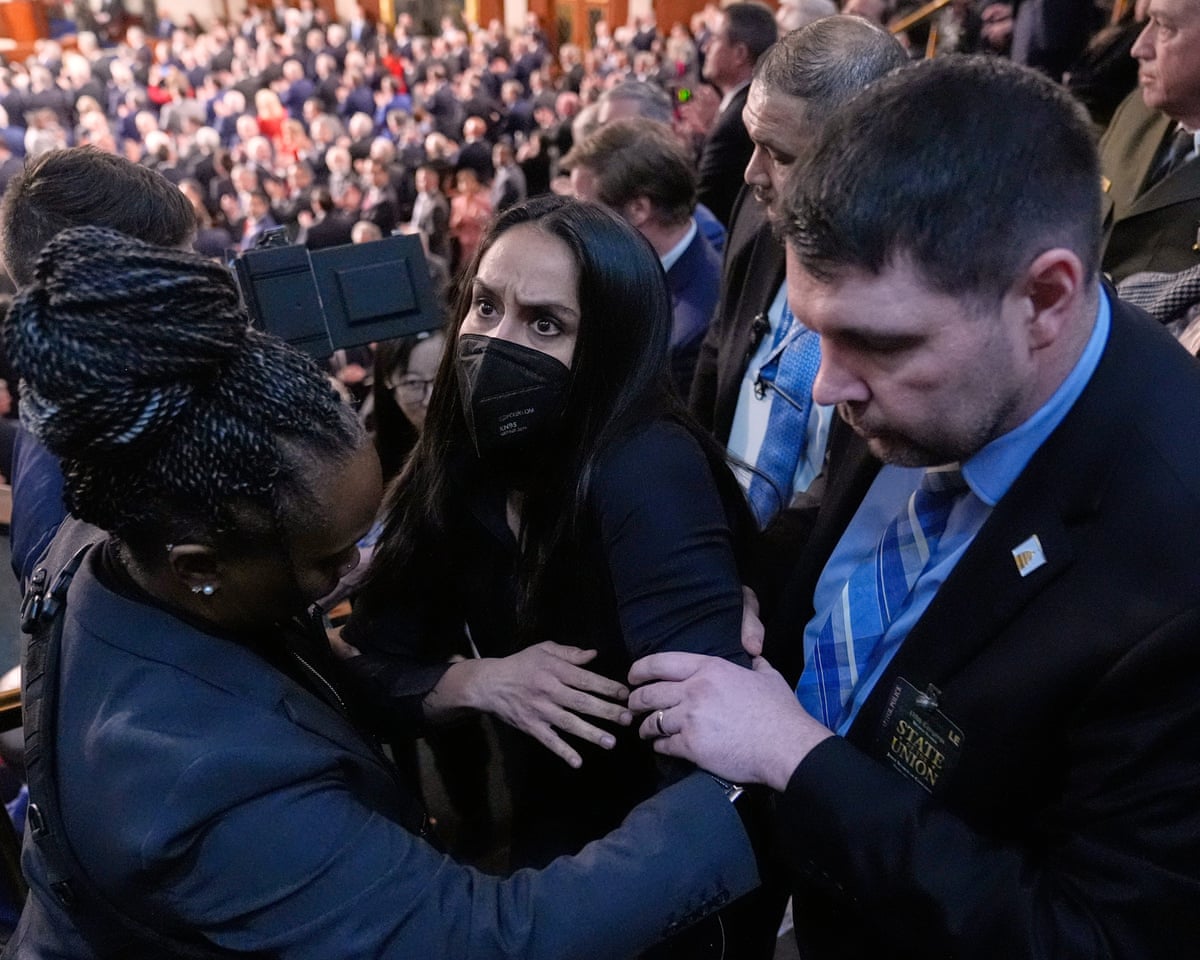
Aliya Rahman thought she was attending the State of the Union as an honored guest. Instead, she became the latest casualty in an immigration enforcement dragnet so expansive that even standing silently in the Capitol gallery can trigger an arrest. Rahman, a U.S. citizen from Minneapolis, was hospitalized after Capitol Police forcibly removed her from the congressional gallery on February 24, 2026, simply for rising from her seat during President Trump's speech.

Rahman wasn't there by accident. Rep. Ilhan Omar had specifically invited her after Rahman was dragged from her vehicle by ICE agents in January, despite being a U.S. citizen. The dramatic video of that encounter, showing agents shattering her car window in Minneapolis, had already sparked outrage. But Rahman's journey from ICE victim to State of the Union arrestee illustrates something more troubling: how Trump's deportation machinery has created a climate where even lawful protest by American citizens gets swept up in the enforcement frenzy.
The Numbers Behind the Dragnet
The scale of Trump's immigration enforcement expansion defies comprehension. At least 77.2 million Americans now live in counties where local police have been deputized as ICE agents through the 287(g) program. That's 32 percent of the entire country living under what amounts to a parallel immigration enforcement system.
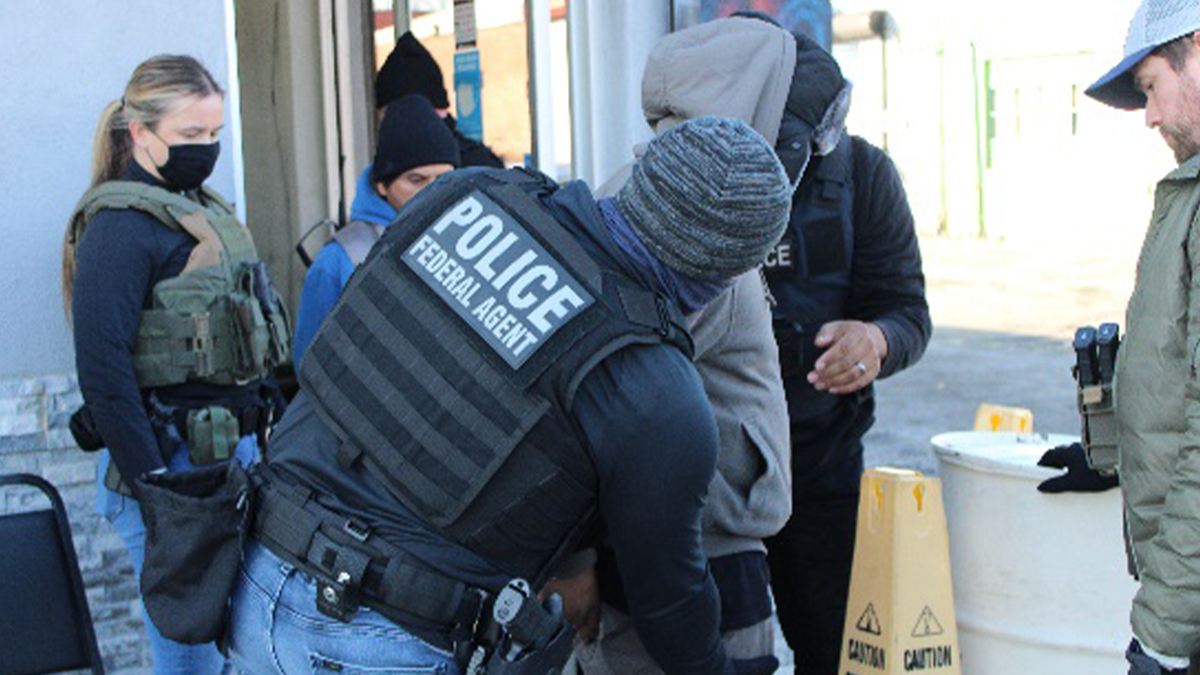
This isn't just about numbers on paper. ICE has transformed into the country's largest law enforcement agency, yet arrests of immigrants with criminal convictions have flatlined. Instead, the agency has dramatically increased arrests of people with no criminal history at all. The message is clear: in the rush to meet deportation quotas, due process has become a luxury the system can't afford.
Rahman's case exemplifies this shift. She committed no crime in January when ICE agents shattered her car window. She committed no crime on February 24 when she stood in the gallery. Yet both incidents resulted in physical force against an American citizen whose only offense was existing in spaces where immigration enforcement has decided to flex its muscles.
When Local Police Become Immigration Agents
The 287(g) program represents one of the most significant expansions of federal power into local communities in decades. What started as a limited partnership between ICE and select law enforcement agencies has metastasized into a nationwide web of surveillance and enforcement that would make the NSA jealous.
Under these agreements, local sheriff's deputies and police officers receive federal authority to investigate immigration violations, make arrests, and initiate deportation proceedings. The result is that a traffic stop in suburban America can trigger a federal immigration case. A domestic violence call can end in deportation. A school resource officer can become an ICE agent.
At least 59 percent of participating sheriffs had records of anti-immigrant, xenophobic rhetoric, contributing to a continued climate of fear for immigrants and their families.
The program's expansion has created what immigration advocates call an "American Dragnet." ICE now has access to databases containing personal information about the vast majority of people living in the U.S. Apply for a driver's license? Your data goes to ICE. Sign up for utilities? ICE can search those records. The surveillance apparatus rivals anything seen in authoritarian regimes, except it operates with minimal judicial oversight and even less public accountability.
The Capitol as Theater
Rahman's arrest in the Capitol gallery wasn't just about maintaining order during a presidential address. It was theater, designed to send a message about who belongs in American political spaces and who doesn't. The optics were intentional: a woman who had already been victimized by immigration enforcement, invited by a prominent Muslim congresswoman, forcibly removed from the nation's most sacred democratic venue.
Capitol Police claimed Rahman was "demonstrating" during the speech, but witnesses described her actions differently. She stood silently. She didn't shout or hold signs. Her crime was standing up while being the wrong person in the wrong place at the wrong time.
The incident reveals how enforcement priorities have shifted from public safety to political messaging. Rahman posed no threat to anyone in that gallery. Her presence challenged no law. Yet the response was swift and brutal enough to require hospitalization.
Due Process in the Age of Quotas
Perhaps the most disturbing aspect of Rahman's case is how it illustrates the complete breakdown of due process protections. She was an American citizen who had committed no crime, yet found herself subject to federal enforcement action twice in two months. This isn't an accident or an anomaly. It's the inevitable result of a system designed to prioritize arrests over accuracy.
ICE has acknowledged that its officers often lack the time or resources to verify citizenship status before making arrests. The agency's own data shows that hundreds of American citizens are detained each year in immigration enforcement actions. But under current policies, the burden falls on detainees to prove their citizenship, often while being held in facilities hundreds of miles from their homes and families.
The economic costs are staggering. Mass deportation operations could cost over $400 billion according to immigration economists, but the human costs are incalculable. Families destroyed. Citizens detained. Constitutional protections eroded in the name of enforcement efficiency.
Rahman's story forces an uncomfortable question: if a U.S. citizen can be dragged from her car by federal agents and then arrested for standing silently in the Capitol gallery, what protections remain for anyone caught in this expanding enforcement web?
Beyond the Headlines
Rep. Omar's demand for an investigation into Rahman's arrest isn't just about one woman's treatment. It's about whether American democracy can survive an enforcement apparatus that treats constitutional protections as optional and due process as inefficient.
The investigation Omar seeks should examine not just what happened in the Capitol gallery, but how we arrived at a point where ICE agents feel empowered to shatter car windows belonging to American citizens and Capitol Police see silent standing as grounds for hospitalization-worthy force.
Being charged with a crime for standing up in the gallery during the president's address sends a chilling message about the state of our democracy.
Rahman's case won't be the last. With 77.2 million Americans now living under expanded immigration enforcement jurisdictions and ICE's budget at historic highs, more citizens will find themselves caught in dragnets designed for others. The question isn't whether the system works, but whether we can recognize when it's working exactly as intended.
The real tragedy isn't that Aliya Rahman was arrested for standing up. It's that in today's enforcement climate, her arrest makes perfect sense. When the priority is demonstrating power rather than protecting rights, American citizens become acceptable collateral damage in someone else's political theater.