When Standing Up Becomes a Crime: How Trump's ICE Tactics Reached the Capitol Gallery
The arrest of Aliya Rahman at the State of the Union reveals how immigration enforcement has crossed into spaces Americans once considered safe from federal overreach.
Aliya Rahman had already experienced the full force of Trump's immigration enforcement once. In January, ICE agents shattered her car window in Minneapolis and dragged her from the vehicle, despite her U.S. citizenship. On February 24, she sat in the House gallery as Representative Ilhan Omar's guest for the State of the Union address. When she stood up during Trump's speech, Capitol Police arrested her again.

The arrest wasn't just another moment of Capitol decorum enforcement. Rahman required hospital treatment after officers brutalized her for the simple act of standing. Omar's demand for an investigation highlights something unprecedented: ICE's dragnet tactics have normalized a level of federal aggression that now extends into the most symbolic spaces of American democracy.
This isn't hyperbole. It's documentation.
The Numbers Behind the Dragnet
Trump's second-term immigration enforcement operates at a scale that dwarfs previous administrations. In the first 100 days alone, ICE arrested 66,463 people and removed 65,682, according to the agency's own data. That's more than 1,000 arrests per day, concentrated in states that collaborate fully with federal enforcement.
Nearly half of these arrests happen in local jails and lockups, but the community sweeps tell a different story. ICE has shifted tactics dramatically from the Obama years, when agents typically worked in teams with administrative warrants and required consent to enter homes. Now they conduct vehicle stops, partner with local law enforcement for traffic violations, and question passengers based on appearance alone.
The American Civil Liberties Union has documented multiple cases in Los Angeles where U.S. citizens were detained by DHS agents for questioning. One in five ICE arrests now involves Latinos with no criminal records or removal orders, swept up simply for being in the wrong place with the wrong appearance.
"Being charged with a crime for standing up in the gallery during the president's address sends a chilling message about the state of our democracy."
Minnesota as Ground Zero
Minnesota became a testing ground for these expanded tactics over two and a half months of what the Trump administration called a "massive immigration crackdown." The operation resulted in 4,000 arrests and two fatal shootings of U.S. citizens by immigration officers.
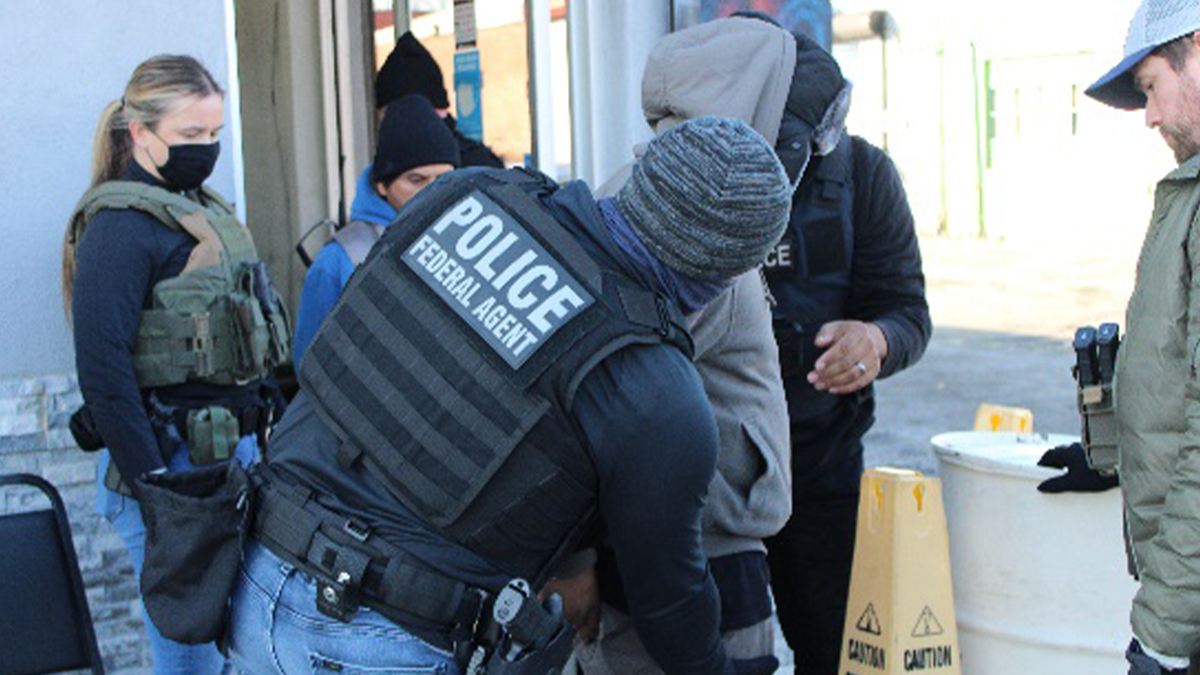
Renee Good, a 37-year-old U.S. citizen and mother of three, was shot and killed by an ICE officer in Minneapolis. Alex Pretti, also a U.S. citizen, died in a separate incident. The operations ended only after sustained protests, but the precedent was set. Immigration enforcement had crossed into lethal territory against American citizens.
Rahman's experience fits this pattern perfectly. Agents didn't check her citizenship status before shattering her car window in January. They acted on assumptions, using force first and asking questions later.
The Capitol as Symbol and Target
Rahman's arrest in the House gallery represents something new: the extension of these aggressive tactics into the heart of American democratic institutions. The State of the Union address is designed to showcase American democracy at its most formal and inclusive. Gallery guests represent the diversity of American experience, invited by members of Congress to witness governance in action.
Omar specifically invited Rahman to highlight the human cost of Trump's immigration policies. Rahman's presence was itself a form of testimony, a living reminder that U.S. citizens aren't immune from enforcement overreach. Her arrest transformed that testimony into something more powerful: proof that no space remains neutral in Trump's immigration war.
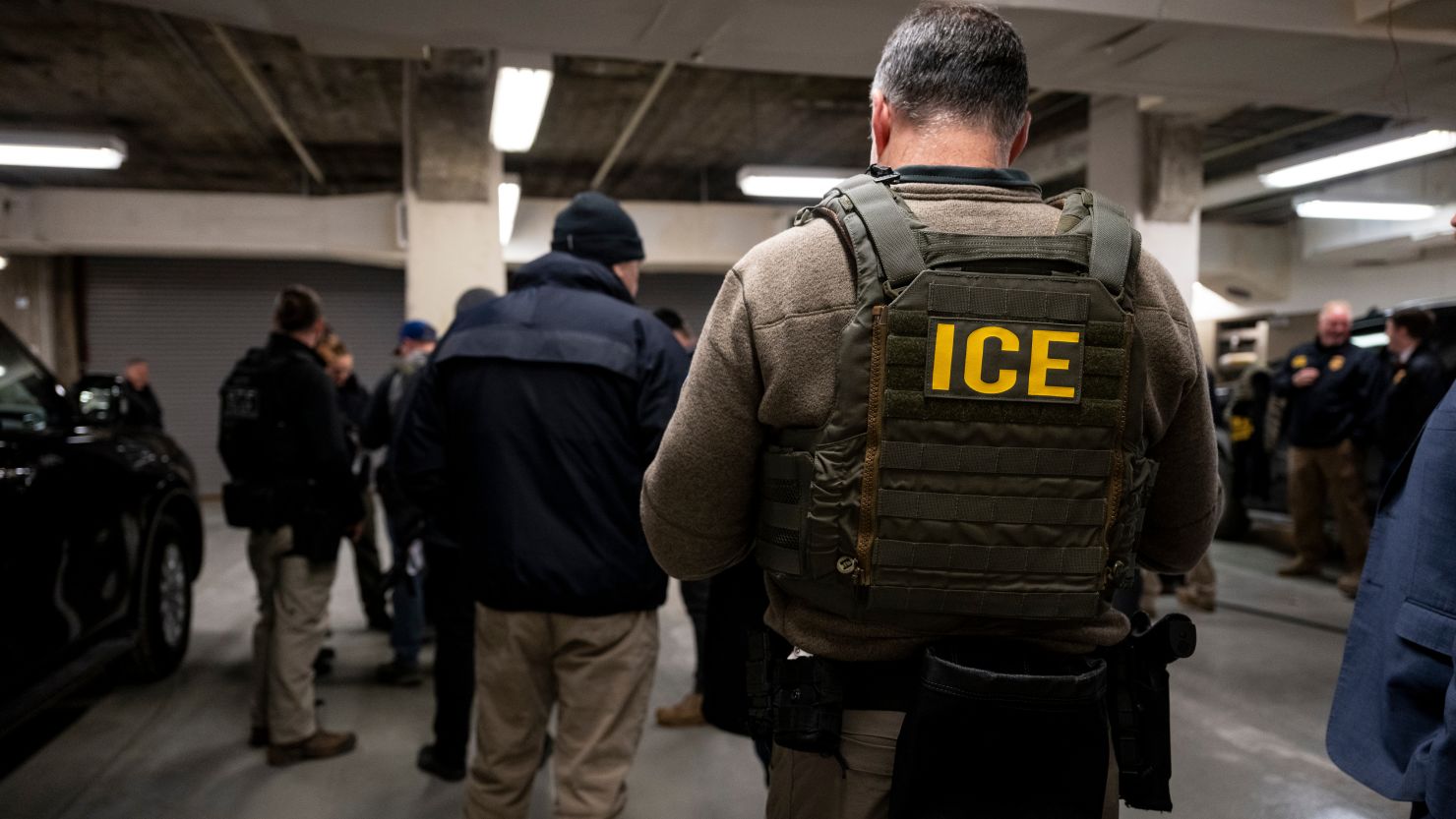
Capitol Police charged Rahman with "refusing to obey orders" to sit down. But the broader charge is clear: she was arrested for making visible the reality that Trump preferred to keep abstract. Her standing body became a form of dissent that couldn't be tolerated, even in a space explicitly designed for citizen observation of government.
Legal Authority and Constitutional Limits
Federal immigration agents possess broad authority to stop and arrest people, including U.S. citizens, under current legal frameworks. ICE operates as the largest investigative arm of the Department of Homeland Security, with powers that extend far beyond immigration enforcement into general federal law enforcement.
This authority has expanded under Trump through partnerships with state and local law enforcement. Officers now conduct immigration questioning during routine traffic stops, creating a web of enforcement that touches nearly every interaction between citizens and police in collaborating jurisdictions.
The legal analysis is clear: ICE agents can stop vehicles, question passengers, and detain people based on suspicion alone. What's changed isn't the legal authority but the willingness to use it aggressively against U.S. citizens who fit certain profiles or find themselves in certain situations.
"The brave men and women of ICE protect our families, friends and neighbors by removing public safety and national security threats from our communities."
The Normalization Strategy
Rahman's double encounter with federal enforcement reveals how quickly aggressive tactics become normalized. In January, agents used physical force against her based on assumptions. By February, Capitol Police used similar force against her for peaceful protest. The escalation feels inevitable because the underlying logic remains unchanged: certain people, in certain spaces, represent threats that justify immediate physical control.
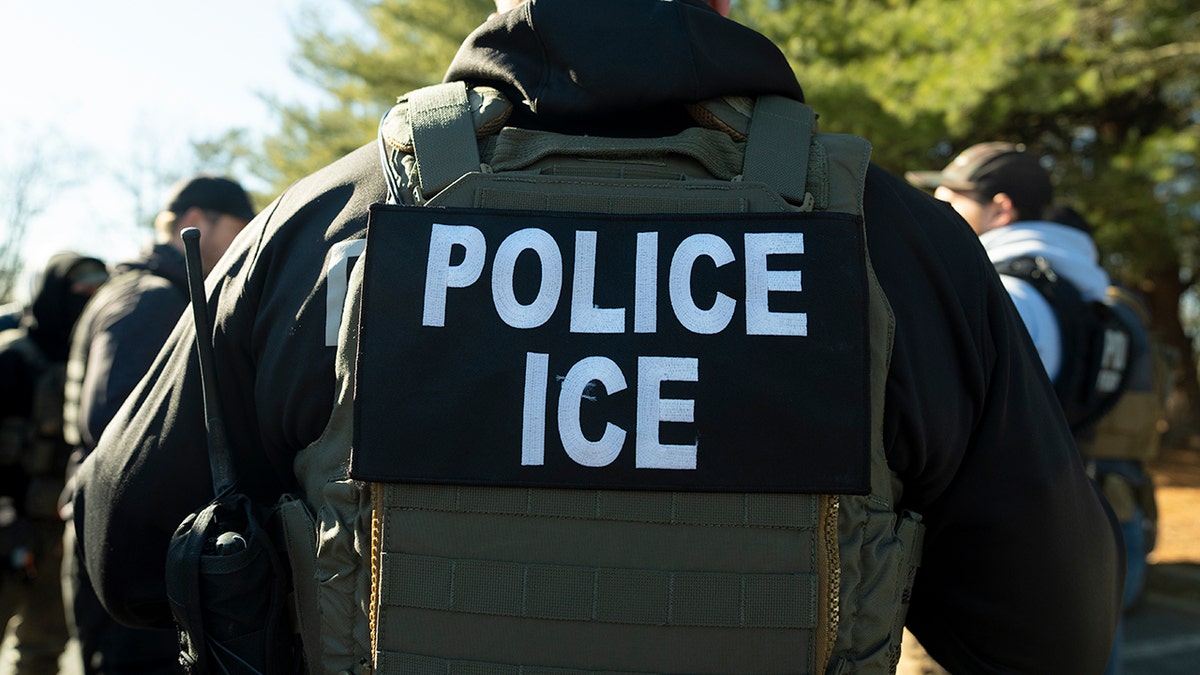
This normalization extends beyond individual incidents to systemic changes in how immigration enforcement operates. States like Florida, Texas, Louisiana, and Georgia have required local law enforcement to deputize as immigration agents, creating a fusion of immigration and criminal enforcement that makes every police interaction potentially deportation-related.
The result is a surveillance and enforcement apparatus that touches U.S. citizens regularly, especially those who appear Latino or immigrant. Rahman's citizenship didn't protect her in January because the system operates on assumptions first, verification later.
What This Means for Democracy
Omar's investigation demand strikes at something fundamental: the right of citizens to observe their government without fear of arrest for peaceful expression. If standing during a State of the Union address constitutes grounds for arrest and hospitalization, the boundaries of acceptable civic participation have shrunk dramatically.
The broader implications extend beyond one arrest to the entire ecosystem of Trump's immigration enforcement. When federal agents can shatter car windows and drag U.S. citizens from vehicles based on appearance, when they can arrest citizens for standing in the Capitol gallery, the definition of citizenship itself becomes contingent on federal approval.
Rahman's experience connects these dots clearly. Her January detention wasn't an aberration that led to her February arrest by coincidence. It was practice for a system that increasingly treats certain Americans as conditionally American, subject to physical control whenever they step outside acceptable boundaries.
The investigation Omar demands should focus not just on Capitol Police procedures but on how immigration enforcement has normalized violence against U.S. citizens. Rahman's story is documentation of that normalization, written in broken glass and hospital records, witnessed now by anyone who watched her removal from the gallery where Americans traditionally sit to observe their democracy in action.