When Standing Becomes a Crime: How the Capitol Police Arrest Reveals Immigration Enforcement's New Reach
Aliya Rahman's arrest at the State of the Union exposes how Trump's immigration crackdown extends far beyond deportation raids.
A U.S. citizen named Aliya Rahman sat quietly in the House gallery on February 24, 2026, watching President Trump deliver his State of the Union address. When she stood up silently during the speech, Capitol Police arrested her for "unlawful conduct." The arrest lasted longer than her act of protest.
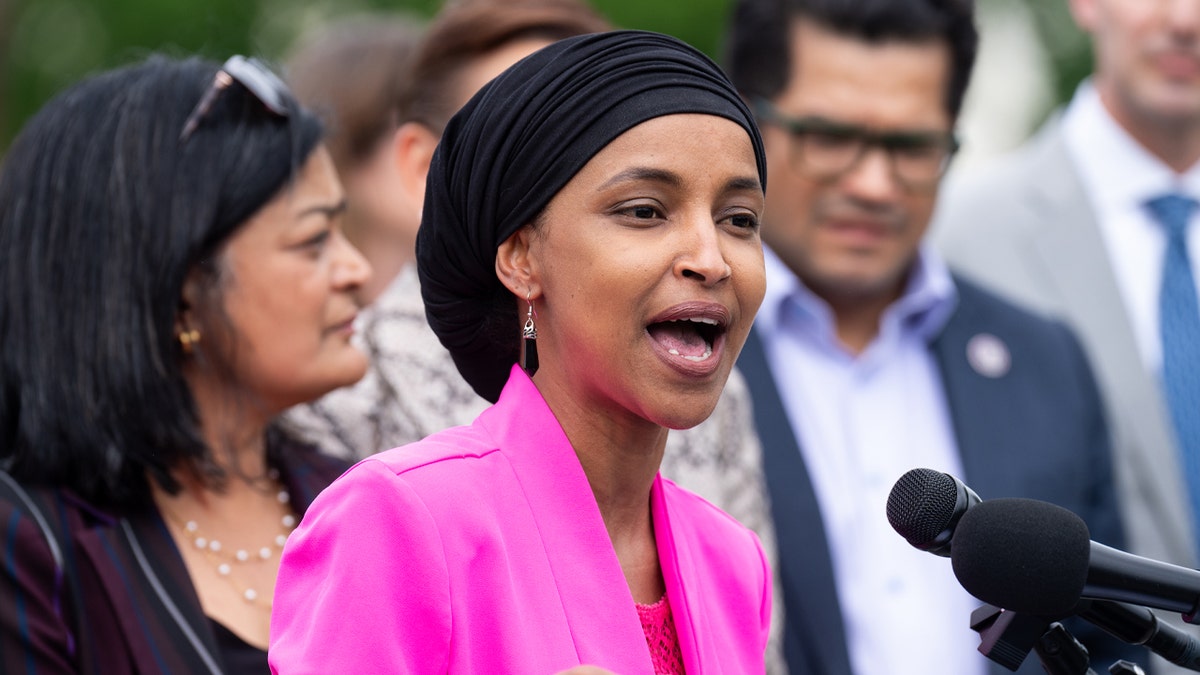
Rahman wasn't just any guest in the gallery. Six weeks earlier, ICE agents had shattered her car window and dragged her from her vehicle during a raid in Minneapolis. She had become a symbol of the Trump administration's expanded immigration enforcement, which now targets not just undocumented immigrants but also U.S. citizens caught in its widening net.
Her arrest reveals something more troubling than overzealous security. It shows how immigration enforcement has evolved into a tool of political theater, where even the act of bearing witness becomes grounds for arrest.
The Minneapolis Incident That Started It All
On January 7, 2026, Rahman was going about her daily routine in Minneapolis when ICE agents conducting "Operation Metro Surge" approached her vehicle. Video footage shows agents breaking her car window and physically removing her from the car, even though she is a U.S. citizen with no immigration violations.
The same operation that targeted Rahman also resulted in tragedy. Renée Nicole Macklin Good, a 37-year-old American woman, was fatally shot by ICE agent Jonathan Ross during the raids. The incident prompted federal lawsuits from Minnesota, Illinois, Minneapolis, and Saint Paul against the Department of Homeland Security.
These weren't isolated incidents. Under the Trump administration's 2025-26 immigration policies, ICE has expanded enforcement to "protected areas" previously considered off-limits, including schools, churches, and community gathering spaces. The January 20, 2025 DHS directive rescinded Obama-era protections, allowing immigration enforcement in locations that had been sanctuaries for decades.
Rahman's experience in Minneapolis made her exactly the kind of guest Rep. Ilhan Omar wanted to highlight during the State of the Union. Omar invited her to put a human face on the administration's enforcement policies.
When Silence Becomes Disruption
According to multiple reports, Rahman's protest at the State of the Union was notably restrained. She stood up silently for "a short period" during Trump's speech. No shouting. No signs. No disruption beyond the act of standing itself.
"Being charged with a crime for standing up in the gallery during the president's address sends a chilling message about the state of our democracy." - Rep. Ilhan Omar
The Capitol Police charged Rahman with "unlawful conduct" for refusing to obey orders to sit down. The arrest itself created more disruption than her original act of protest. Officers forcibly removed her from the House chamber while cameras rolled and representatives watched.
This response reveals how political protest has been criminalized in spaces where it was once tolerated. Previous State of the Union addresses have seen guests removed for disruptions, but rarely for such minimal actions. The message is clear: even silent dissent will not be tolerated.
The Broader Pattern of Enforcement Expansion
Rahman's arrest fits into a much larger shift in how immigration enforcement operates under the current administration. The changes go far beyond traditional deportation efforts.
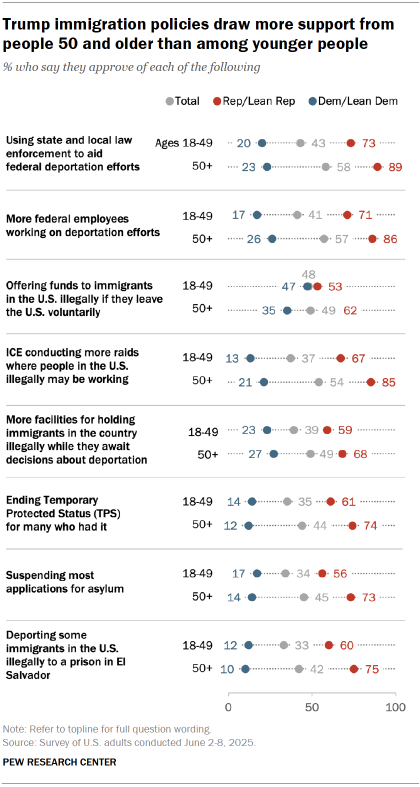
ICE raids have resumed at American workplaces after being largely suspended during the Biden years. The administration has reinstated the "Remain in Mexico" policy for asylum seekers and ended the Diversity Visa lottery program that brought 50,000 immigrants annually from underrepresented countries.
Perhaps most significantly, the administration has expanded deportation flights to third countries where migrants have no existing ties. This represents a fundamental shift from previous policies that typically returned people to their countries of origin.
The numbers tell the story of escalation. According to DHS data, assaults against ICE officers have increased by 1,300% since the administration took office, while vehicular attacks have risen by 3,200%. The administration attributes this to "radical rhetoric by sanctuary politicians," though critics argue the increase reflects community resistance to expanded enforcement.
Social Media as Enforcement Theater
The Trump administration has weaponized social media to shape public perception of immigration enforcement. White House, DHS, and ICE social media accounts regularly post about detained individuals, typically portraying them as violent criminals.
NPR's analysis of cases in Minnesota reveals a more complex reality. While many highlighted detainees do have recent serious criminal records, about 25% are like Rahman - people with decades-old convictions or no criminal history at all who get caught up in enforcement sweeps.
This selective presentation creates a narrative that all enforcement targets are dangerous criminals, making it easier to justify expanded operations that affect U.S. citizens and long-term residents with minimal or no criminal backgrounds.
Rahman's case demonstrates how this narrative breaks down under scrutiny. She's a U.S. citizen with no immigration violations who became a target simply because she was present during an enforcement operation.
The Chilling Effect on Democratic Participation
Omar's decision to invite Rahman to the State of the Union was itself an act of political theater - using the guest tradition to highlight policy impacts. Members of Congress have long used this practice to humanize abstract policy debates.
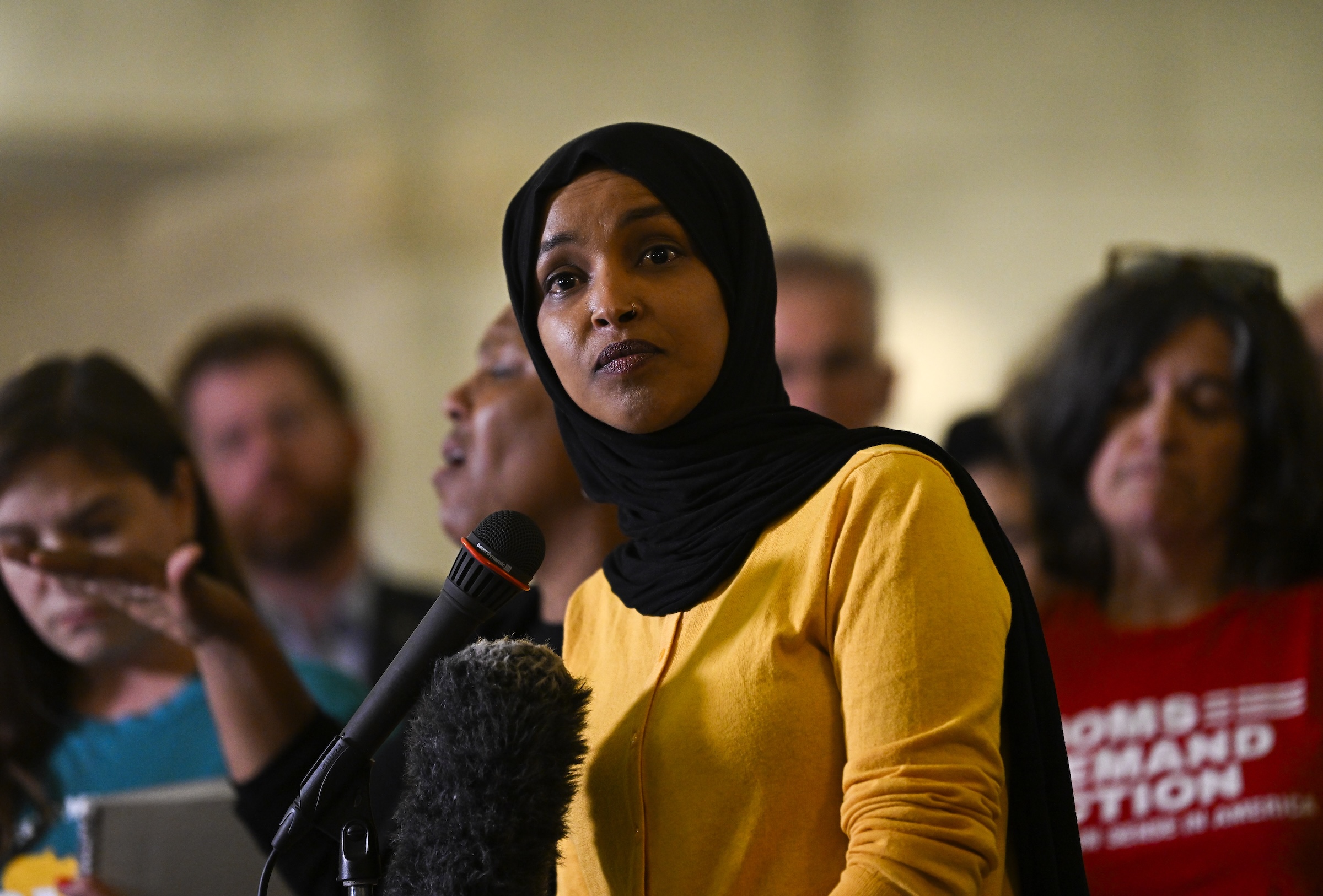
Rahman's arrest sends a clear message to future potential guests: attend at your own risk. If you've been touched by immigration enforcement - even as a U.S. citizen - your presence at high-profile government events may result in arrest for the smallest acts of dissent.
This creates a chilling effect that extends far beyond immigration policy. It suggests that certain categories of people - those who have been targeted by enforcement, those who protest government policies, those who make officials uncomfortable - may face arrest for actions that would be protected speech for others.
The implications reach into local communities as well. If standing silently in the House gallery can result in arrest, what does this mean for town halls, school board meetings, and other forums for civic participation?
What This Moment Actually Reveals
Rahman's arrest at the State of the Union represents something larger than immigration enforcement or protest rights. It reveals how the Trump administration has transformed immigration policy into a tool for broader political control.
The enforcement expansion isn't just about removing undocumented immigrants. It's about creating an atmosphere where dissent becomes dangerous, where even U.S. citizens can find themselves targeted, and where the act of bearing witness to government overreach becomes grounds for arrest.
Omar has called Rahman's arrest "unavoidable" given her commitment to highlighting the human cost of Trump's policies, regardless of political consequences within her own party.
This moment matters because it shows how quickly democratic norms can erode. When standing silently becomes a crime, when U.S. citizens can be dragged from cars during immigration raids, when bearing witness becomes grounds for arrest - we're witnessing the criminalization of dissent itself.
The broader lesson is clear: immigration enforcement under this administration has become about much more than immigration. It's become a tool for political intimidation that reaches into the highest chambers of government and the most protected spaces of democratic participation.
Rahman's story - from Minneapolis car window to Capitol handcuffs - illustrates how quickly the machinery of enforcement can be turned against anyone who dares to stand up, literally or figuratively, against government overreach.