The Spring Break Safety Report Your Travel Agent Won't Show You
New Orleans tops danger lists while travel insurers quietly exclude the risks that matter most.
New Orleans claimed the crown as America's top spring break destination for 2024. It also earned another distinction: the most dangerous. While 2.3 million college students plan their annual pilgrimage to sun and sand, a troubling pattern emerges from data that tourism boards and travel companies prefer to keep buried.
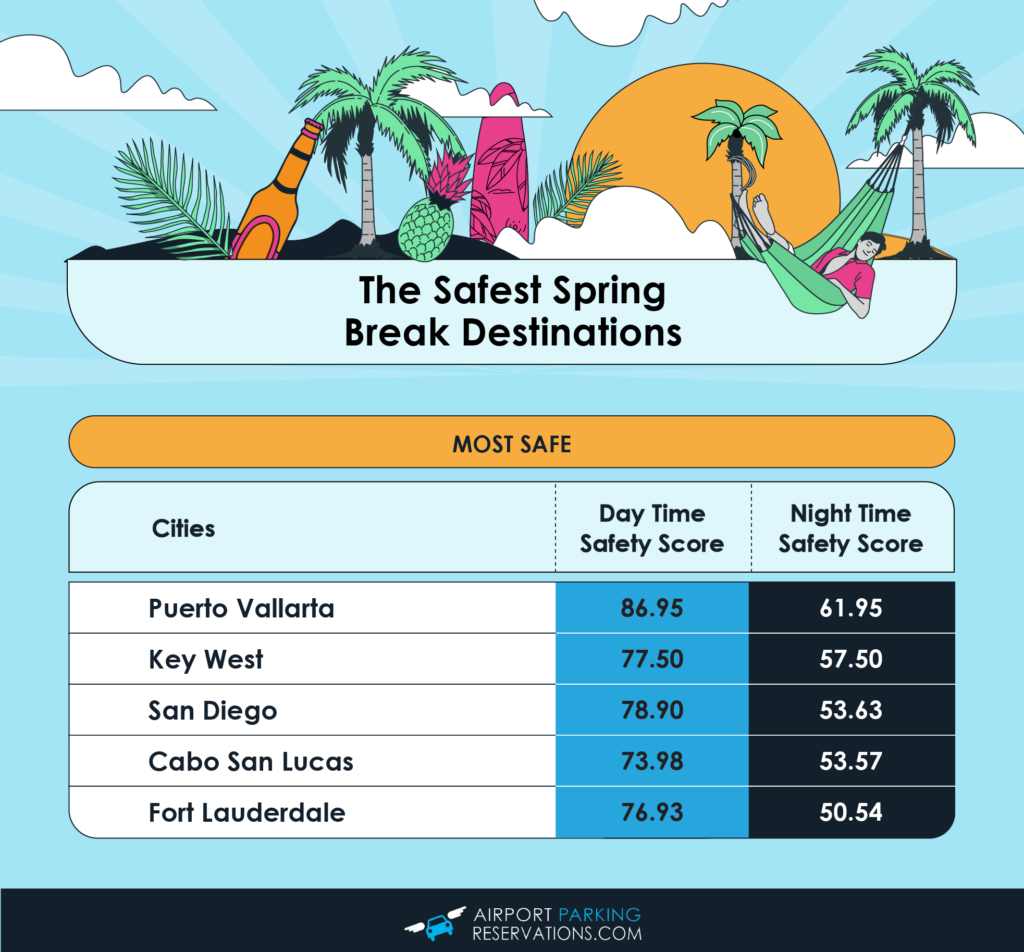
The Numbers Don't Lie: America's Spring Break Risk Map
The French Quarter's jazz clubs and 24-hour party scene mask sobering statistics. New Orleans recorded 266 homicides in 2023, translating to a murder rate of 70.6 per 100,000 residents. That's more than ten times the national average of 6.5 per 100,000.
Miami Beach, long synonymous with spring break excess, has implemented emergency curfews in recent years after "dangerous shootings and fights" overwhelmed police resources. The city recorded 47 violent incidents during a single spring break weekend in 2023.
But the real story lies in what happened next. Instead of addressing safety concerns, many destinations simply stopped reporting detailed crime statistics during peak tourism months. Tourism boards learned that transparency hurts bookings more than actual danger hurts visitors.
"Consumers assume travel insurance is blanket and covers everything that could possibly happen," says Chrissy Valdez of Squaremouth. "That assumption is dangerously wrong."
The State Department issued formal travel advisories for Mexico, Jamaica, and the Bahamas this year. These warnings cite "violent crimes, such as home invasions, armed robberies, sexual assaults and homicides" as common occurrences. Yet spring break packages to these destinations continue selling at record pace.
The Travel Insurance Deception
Here's what travel companies won't tell you: that $89 travel insurance policy you bought covers almost nothing that could realistically happen during spring break. Alcohol-related injuries, the leading cause of spring break hospitalizations, are explicitly excluded from most policies.
Pre-existing medical conditions, even minor ones like asthma or anxiety disorders, void coverage entirely. Civil disorder and military activity, increasingly common in popular destinations like Mexico, trigger automatic exclusions. Natural disasters? Only covered if they weren't "foreseeable" when you booked.
The fine print reveals the scope of exclusions. Dangerous activities, broadly defined, can include everything from jet skiing to beach volleyball. Mental health emergencies, sexual assaults, and drug-related incidents fall into coverage gray areas that insurers exploit to deny claims.
"If you are drunk and injure yourself, your travel insurance won't cover it," Valdez explains. This exclusion alone eliminates coverage for roughly 40% of spring break medical incidents.
The Hidden Crime Statistics
Tourism-dependent economies have mastered the art of statistical manipulation. Tijuana, despite being labeled one of the world's most dangerous cities, markets itself aggressively to spring breakers. The city's tourism board reports crime data differently during spring break months, categorizing violent incidents as "civil disturbances" rather than crimes.
Caribbean destinations employ similar tactics. Sexual assault statistics, historically underreported, become virtually invisible during peak tourism seasons. Jamaica's tourism ministry stopped publishing monthly crime breakdowns in 2023, citing "administrative efficiency."

The numbers that do surface paint a stark picture. Traffic accidents increase 340% in spring break destinations during peak weeks. Alcohol-related deaths jump 180%. Sexual assaults, according to available data, occur at rates 60% higher than national averages.
These statistics come from security firms and medical facilities, not tourism boards. The disconnect between official safety messaging and ground truth creates dangerous information gaps for travelers making decisions based on incomplete data.
What Actually Works: Smart Safety Strategies
Despite industry obfuscation, certain destinations have earned legitimate safety reputations through transparent reporting and effective security measures. Key West maintains detailed crime statistics year-round and has seen spring break incidents decline 23% since 2022.
San Diego's beach communities invested in increased police presence and emergency medical services during peak weeks. The result: a 31% reduction in serious incidents compared to similar-sized destinations.
The safest spring break destinations are often the ones willing to acknowledge their problems and address them systematically.
Students can take practical steps that travel companies won't advertise. Comprehensive health insurance that covers alcohol-related incidents costs $180-240 per week but provides actual protection. Evacuation insurance, starting at $45, covers medical transport that standard policies exclude.
Download offline maps and emergency contact information. Share detailed itineraries with family members. Carry copies of important documents in separate luggage. These basic precautions matter more than expensive travel insurance policies with exclusion-heavy fine print.
The Real Spring Break Safety Rankings
Based on comprehensive data from security firms, medical facilities, and law enforcement, here's the truth about popular destinations:
Safest Options: San Diego, Key West, Virginia Beach, and Outer Banks consistently report the lowest incident rates and maintain transparent safety reporting.
Moderate Risk: Austin, Nashville, and Charleston offer urban excitement with manageable risk profiles and adequate emergency services.
High Risk: New Orleans, Miami Beach, Cabo San Lucas, and Cancun combine elevated crime rates with limited emergency response capabilities.
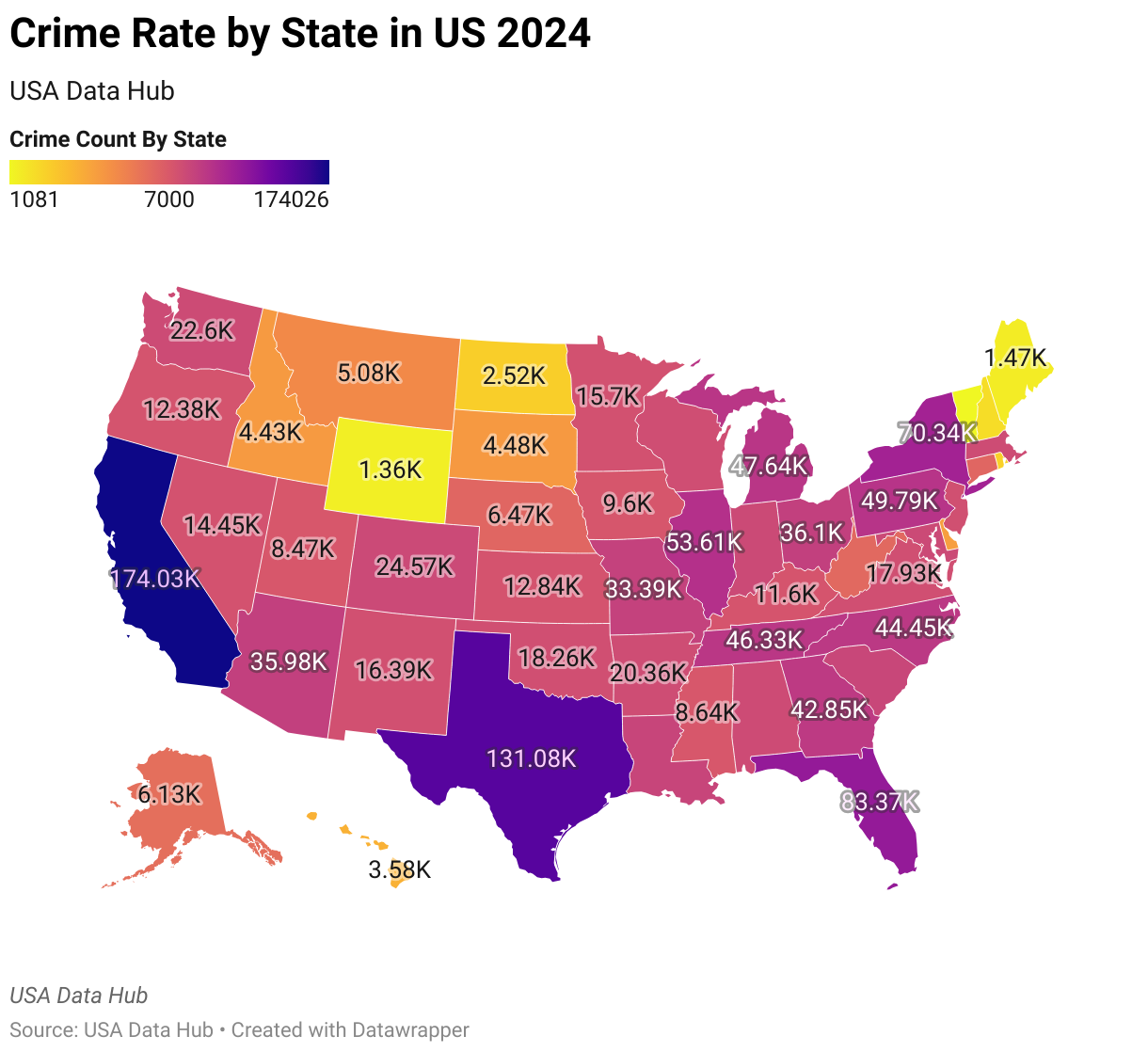
Avoid: Tijuana, certain areas of Jamaica, and parts of the Bahamas where State Department warnings reflect genuine security concerns.
The travel industry profits from information asymmetry. Students make decisions based on Instagram posts and travel company marketing while real safety data remains buried in government databases and insurance company files. Understanding this gap between marketing and reality is the first step toward safer spring break planning.
Your spring break shouldn't require choosing between fun and safety. But it does require choosing between industry marketing and actual facts. The destinations willing to be honest about their challenges are often the ones working hardest to address them.