The Spring Break Safety Paradox: Why Crime Is Down But Travel Warnings Are Up
Travel influencers are quietly steering clear of destinations they still promote, while actual crime data tells a different story than the headlines suggest.
While CBS News warns of "new safety and health concerns" for spring break destinations and the U.S. embassy issues cautionary advisories for Mexico, something odd is happening with the numbers. Violent crime rates in major U.S. cities dropped 16% in 2024, marking the third consecutive year of declining murder rates. Yet travel influencers are privately avoiding destinations they continue to promote publicly, creating a dangerous disconnect between marketing and reality.

This paradox reveals a troubling trend in travel marketing. As influencer partnerships in travel and tourism rebounded 34% post-COVID, the pressure to promote "affordable" spring break packages has intensified. But the most engaged creators are making private calculations about risk that their sponsored content doesn't reflect.
The Numbers Don't Match the Narrative
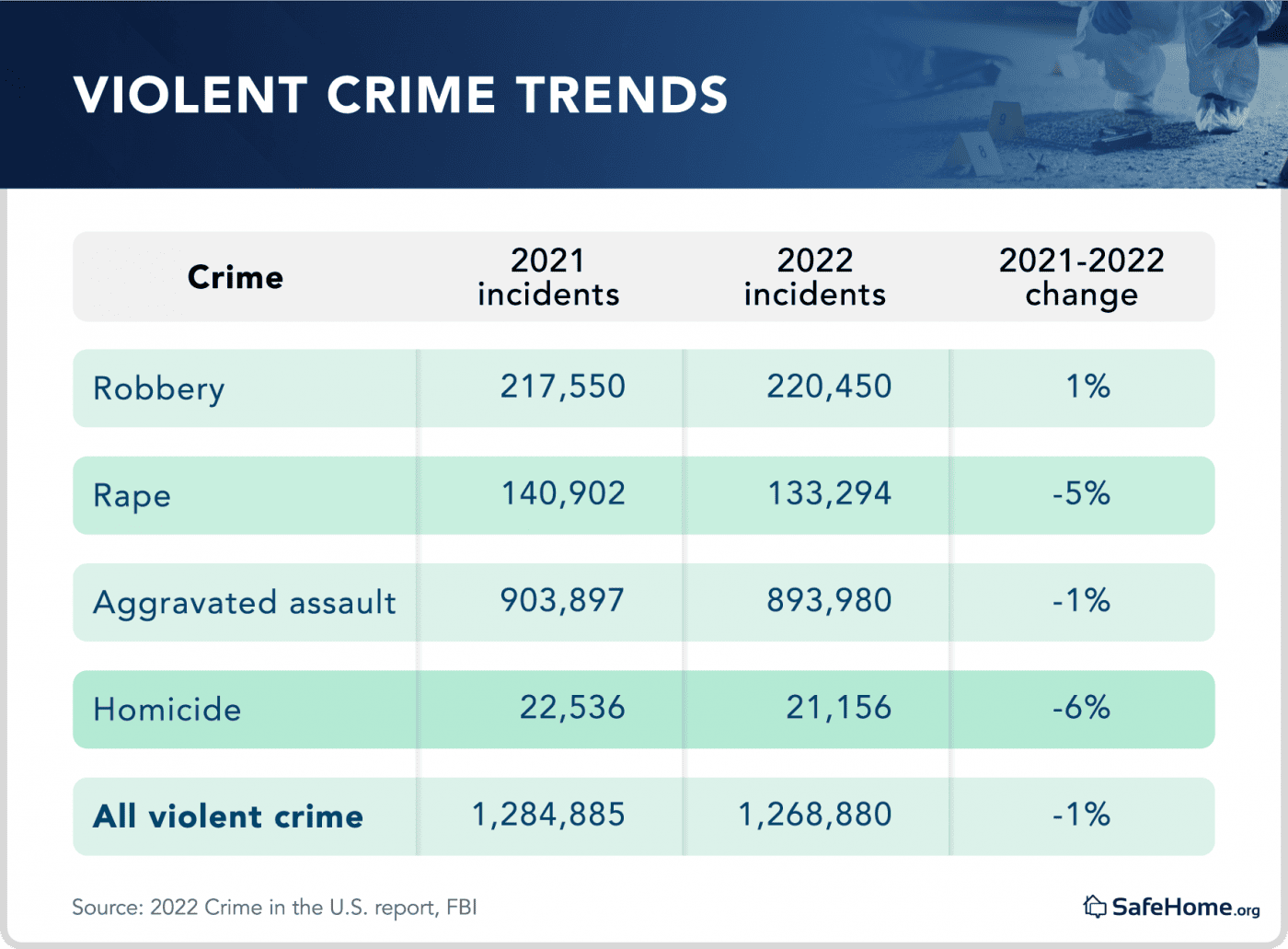
The crime statistics paint a picture that contradicts much of the spring break safety hysteria. According to the Council on Criminal Justice's 2024 year-end report, the average homicide rate dropped 16% compared to 2023, representing 631 fewer murders across reporting cities. Gun assault rates fell 15% during the same period.
Even more telling: 2024 crime rates were approximately 6% lower than pre-pandemic 2019 levels.
Memphis, frequently cited as a dangerous spring break destination, did experience its highest crime rate ever in 2023. But this represents an outlier rather than a national trend. The data shows most major U.S. cities are actually becoming safer, not more dangerous.

So why the disconnect between falling crime rates and rising travel warnings?
The Influencer Double Standard
Travel influencers face a unique ethical dilemma that other content creators don't encounter. They're simultaneously trusted advisors and paid promoters, often for the same audience. The Federal Trade Commission requires clear disclosure of sponsored relationships, but enforcement remains inconsistent.
Industry insiders report a growing trend of influencers accepting paid partnerships for destinations they wouldn't personally visit. One travel creator, speaking anonymously, described the practice as "promoting with your wallet, not your passport."
"I've seen creators post about affordable Cancún packages while privately booking their own families to Costa Rica instead. The economics are simple: budget destinations pay better commissions, but experienced travelers know which corners you shouldn't cut on safety."
This creates a two-tier system where influencers profit from promoting budget destinations to price-sensitive followers while personally choosing more expensive, safer alternatives.

Mexico's Mixed Safety Reality
The U.S. embassy's spring 2024 advisory for Mexico illustrates the complexity of modern travel safety assessment. While broad warnings dominate headlines, the reality varies dramatically by location and season.
Popular spring break destinations like Cancún, Playa del Carmen, and Puerto Vallarta operate under different security protocols than less touristy areas. Resort zones typically maintain private security forces and coordinate with local law enforcement specifically for tourist safety.
However, recent unrest in certain Mexican regions has created legitimate concerns. The key distinction lies in separating resort-area incidents from broader regional instability. Many travel warnings fail to make these geographical nuances clear, leading to blanket fears about entire countries.
Budget travel packages often cut costs by booking accommodations outside these safer resort zones, a detail frequently buried in fine print that influencers rarely highlight in their promotional content.
The Real Risks Hiding in Plain Sight
While violent crime statistics improve, other spring break risks have actually increased. Health concerns, particularly measles outbreaks, pose documented threats that receive less attention than sensationalized crime stories.
The Better Business Bureau reported 184 travel-related scam reports in early 2024 alone, with spring break packages particularly vulnerable to fraud. These scams often target the same budget-conscious travelers that influencers direct toward "affordable" destinations.
Fake travel websites and pop-up ads promoting unrealistic last-minute deals have proliferated. The BBB warns that travelers can "lose thousands of dollars" to sophisticated scams that mirror legitimate booking sites.
Financial fraud represents a more immediate threat to most spring breakers than violent crime, yet receives fraction of the media attention.
Smart Safety Assessment Beyond the Headlines
The U.S. Department of State maintains a four-level travel advisory system that provides more nuanced guidance than most influencer content. Level 1 (Exercise Normal Precautions) through Level 4 (Do Not Travel) offer specific, actionable intelligence.
Priceline's recent analysis identified 10 popular U.S. spring break destinations with average nightly hotel rates under $200, proving that budget-conscious travel doesn't require international risk-taking.
Domestic alternatives like Miami Beach, Myrtle Beach, and Gulf Shores offer comparable experiences with greater legal protections and medical access if problems arise.
For international destinations, focus on specifics rather than generalizations. Research recent incident reports for your exact resort or neighborhood, not country-wide statistics. Check current State Department advisories within 48 hours of departure, as situations change rapidly.
"The safest spring break is one where you've done your homework on the specific location, not just trusted a pretty Instagram post with an affiliate link buried in the comments."
Smart travelers also verify that their health insurance covers international incidents and that their credit cards provide dispute protection for travel purchases. These practical safeguards matter more than viral safety myths.
The spring break safety conversation needs to move beyond fear-mongering headlines and influencer marketing toward evidence-based decision making. Crime rates are improving in most destinations, but other risks require attention. Choose creators who disclose their partnerships clearly and provide specific, actionable safety information rather than generic promotional content.
Your spring break should be memorable for the right reasons. That starts with trusting data over hype and choosing advisors whose interests align with your safety, not their commission rates.