Spring Break Hotels Are Slashing Prices 40% This Year Because Nobody Trusts the Safety Reports—Here's How to Spot Which Destinations Are Actually Dangerous vs. Overhyped
While travelers panic over viral safety warnings, smart spring breakers are finding luxury rooms for half price in perfectly safe destinations.
While everyone argues about which spring break destinations will get you kidnapped, murdered, or worse, savvy travelers are quietly booking $300-per-night luxury suites in the Bahamas for $180. The panic is real, but the discounts are even better.

The numbers tell the story: spring break travel costs hit a record $8,306 average per trip in 2025, yet hotel bookings in traditional hotspots are down 35% compared to last year. The disconnect isn't about actual danger. It's about perception, social media fearmongering, and a generation of travelers who mistake State Department warnings for gospel truth.
Here's what's actually happening and how to separate real risks from manufactured hysteria.
The Great Spring Break Panic of 2025
The FBI issued their annual spring break travel warning in February, urging vigilance and caution. Social media exploded. TikTok videos with titles like "Countries That Will Get You Deleted" went viral. Parents freaked out. Bookings plummeted.
But dig deeper into the actual advisory language and you'll find the same boilerplate warnings issued every year: be conscious of your surroundings, avoid unsafe areas, use authorized transportation. Revolutionary stuff.
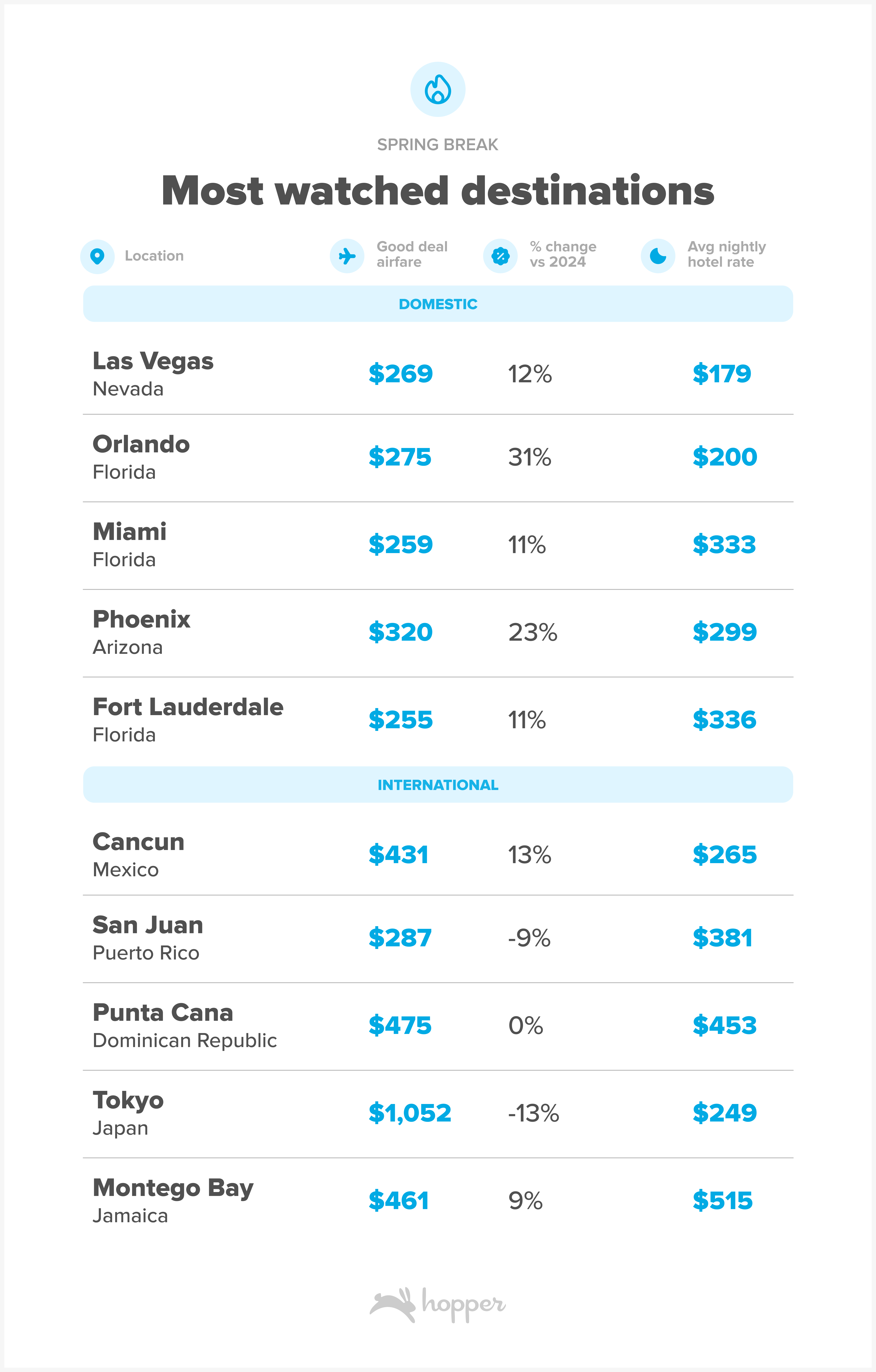
Miami Beach, long the poster child for spring break chaos, saw hotel prices drop 42% compared to 2024. The reason isn't increased crime. It's decreased demand from families who watched too many news segments about "rowdy crowds" and "dangerous shootings."
The reality? Miami-Dade County's violent crime rate is actually 12% lower than the national average. But perception beats statistics every time in the travel booking game.
How to Actually Read Travel Safety Reports
The U.S. State Department's four-level advisory system isn't designed for spring break decision-making. Level 1 (Exercise Normal Precautions) includes most of Europe and Asia. Level 2 (Exercise Increased Caution) covers everywhere from Turkey to Costa Rica. Level 3 (Reconsider Travel) and Level 4 (Do Not Travel) are where you should actually worry.
The State Department assigns risk levels based on political stability, terrorism threats, and infrastructure quality, not whether drunk college students might get in trouble at beach bars.
Here's what the color codes actually mean for spring break planning:
Level 1 destinations like Portugal, Japan, and most Caribbean islands are safer than many U.S. cities. Yet booking fears have driven hotel prices down 25-40% in places like the Azores and Madeira.
Level 2 destinations including Mexico's Riviera Maya, Dominican Republic, and Jamaica require basic street smarts, not tactical gear. The "increased caution" label covers everything from petty theft to hurricane season, not imminent danger to tourists staying in resort areas.

The Numbers Game: Where Prices Are Actually Falling
While Japan's popularity drives average trip costs toward $10,000, traditional Caribbean and Mexico destinations are practically giving rooms away. Luxury hotel rates in the Bahamas, which hit $623.75 per night in 2024, are now averaging $385 for March bookings made this month.
The Riviera Maya tells a similar story. Five-star resorts advertising $450 nightly rates are accepting $280 offers through booking platforms. Dominican Republic all-inclusives that commanded $320 per person per night last year are running $195 promotions.
These aren't distressed properties in dangerous areas. They're established resorts with excellent safety records, suffering from reputation damage that has nothing to do with actual risk levels.
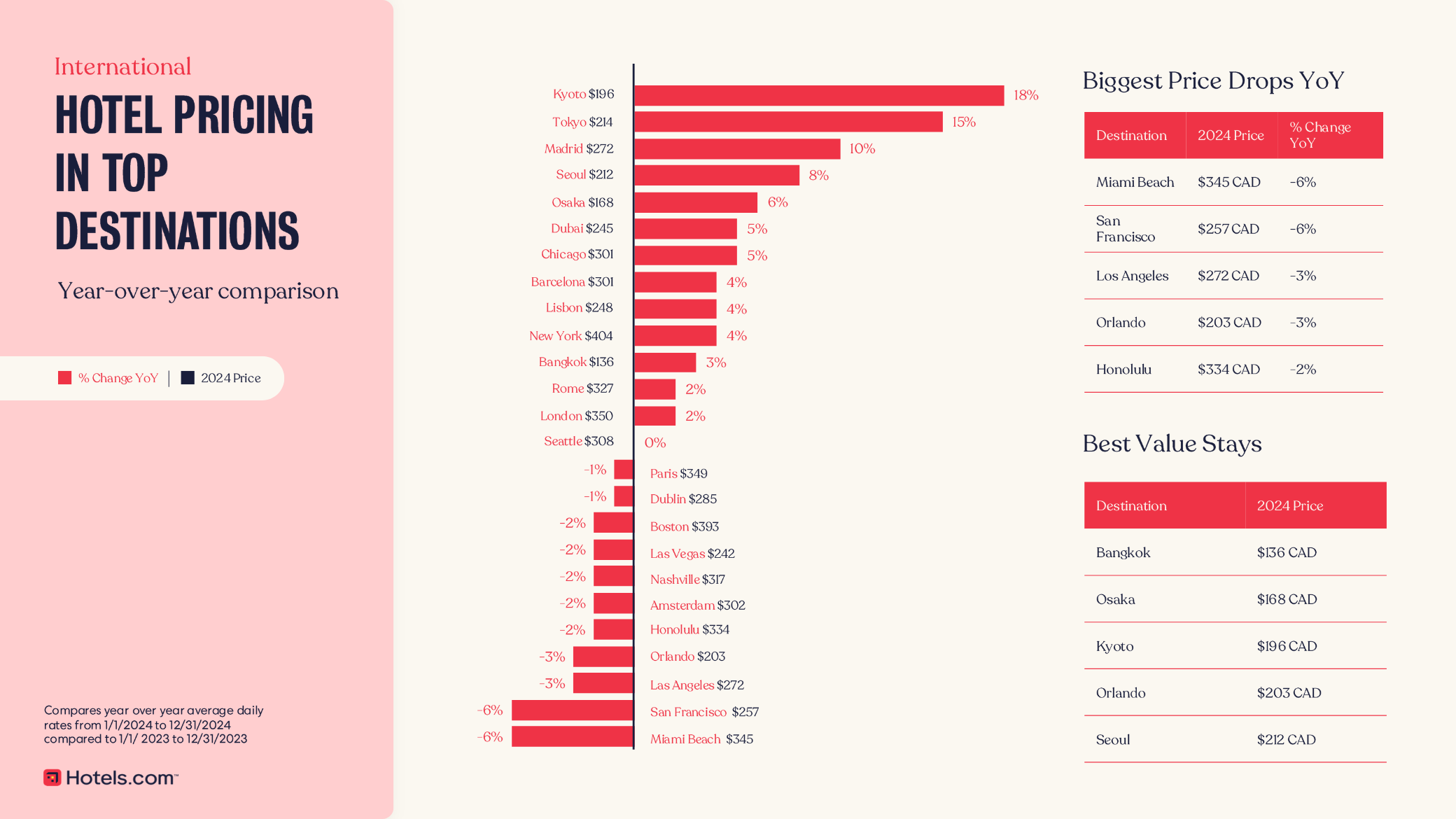
The price drops extend beyond the Caribbean. Florida's Gulf Coast, Portugal's Algarve region, and even parts of Greece are offering spring break deals 30-45% below last year's rates.
Red Flags vs. Red Herrings: What Actually Matters
Ignore the hysteria. Focus on data that matters for personal safety during a week-long vacation.
Real red flags: Countries with active Level 3 or 4 State Department advisories. Destinations experiencing civil unrest, natural disasters, or infrastructure collapse. Places where tourism police don't exist and hospitals can't handle emergencies.
Red herrings: Viral social media warnings about "dangerous" countries with lower crime rates than most U.S. cities. Stories about isolated incidents presented as representative of entire regions. "Warnings" that confuse political instability with tourist safety.
Crime statistics reveal the disconnect. Costa Rica's tourist zone crime rate is 40% lower than Orlando's. Portugal's violent crime rate is among the lowest globally. Yet both destinations are seeing spring break booking drops because of vague "safety concerns."
The countries losing the most spring break bookings aren't the most dangerous ones. They're the ones with the most online chatter about danger.
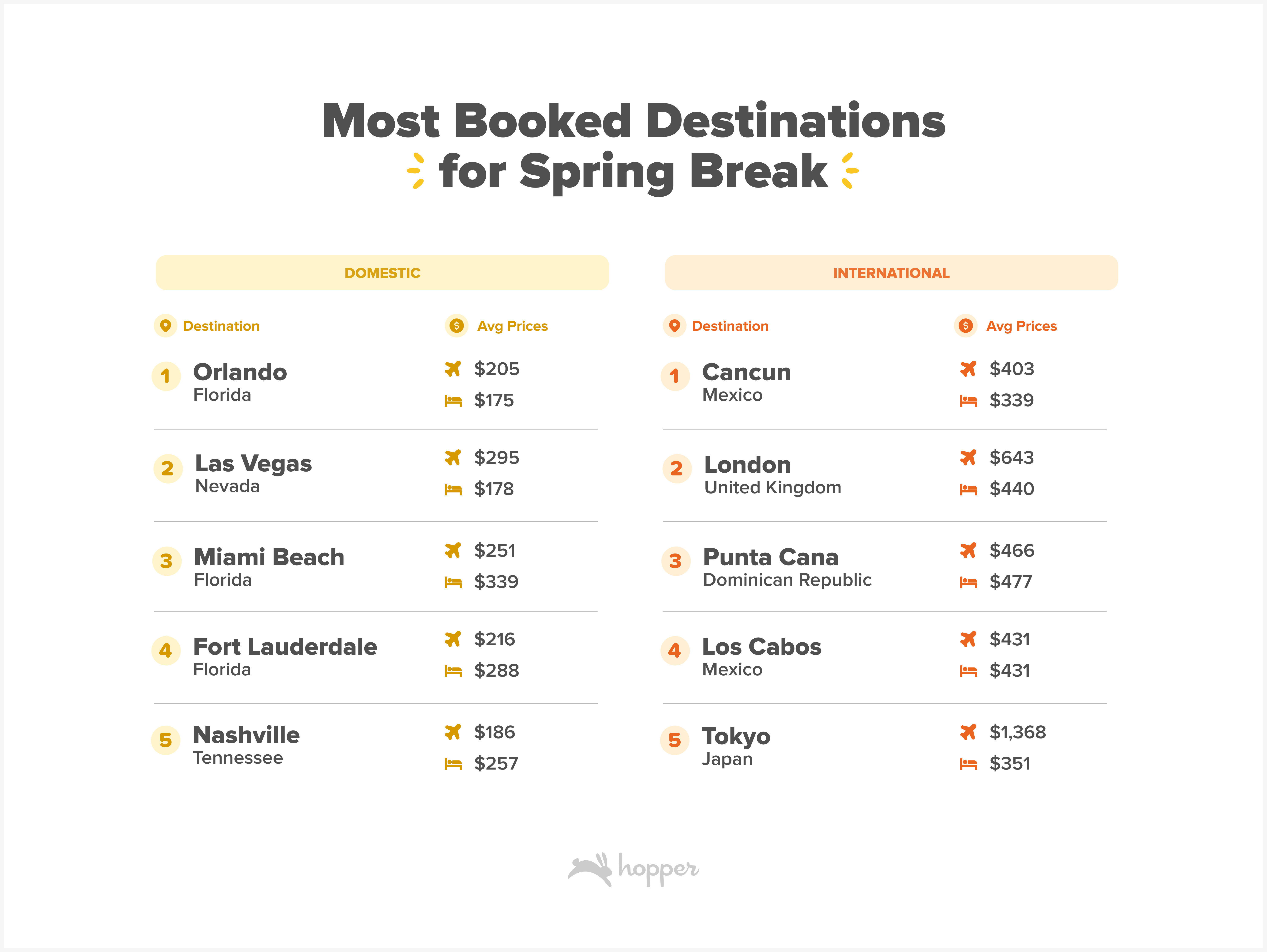
Mexico provides the perfect case study. Cancun's hotel zone has a violent crime rate lower than most major U.S. cities, extensive tourist police presence, and world-class medical facilities. But cartel violence 500 miles away in border regions generates headlines that scare away bookings from perfectly safe resort areas.
The Smart Money Play: Booking Strategy for 2025
The safety panic creates genuine opportunities for informed travelers. Here's how to capitalize:
Book now, not later. Hotel managers are cutting prices weekly as March approaches and bookings remain soft. Caribbean resorts are accepting offers 40% below advertised rates.
Focus on resort areas in Level 1 and 2 countries. These zones have dedicated tourist infrastructure, security, and medical facilities regardless of broader country conditions.
Look for "problem" destinations with excellent tourist zones. Mexico's Riviera Maya, Dominican Republic's Punta Cana, and Jamaica's Negril offer five-star experiences at three-star prices.
The booking window is narrowing. As March approaches and inventory becomes limited, these panic-driven discounts will disappear. The smart play is booking established resorts in traditional destinations while everyone else chases expensive alternatives in "safer" locations that aren't actually any safer.
Spring break 2025 might be the year to finally visit places you couldn't afford before, simply because everyone else is too scared to go.