The Secret Reason Viral TikTok Recipes Actually Work (And Why Home Cooks Keep Failing Them)
Behind every perfect food video lies a web of filming tricks and ingredient swaps that prioritize looks over taste.
The baked feta pasta that broke the internet in 2021 wasn't actually about the feta. It was about the perfect golden hour lighting streaming through someone's kitchen window at exactly 4:30 PM, casting that warm glow across cherry tomatoes that looked like jewels. The recipe itself? A basic combination that any Mediterranean grandmother would recognize. But the 15-second video made it look like edible magic.
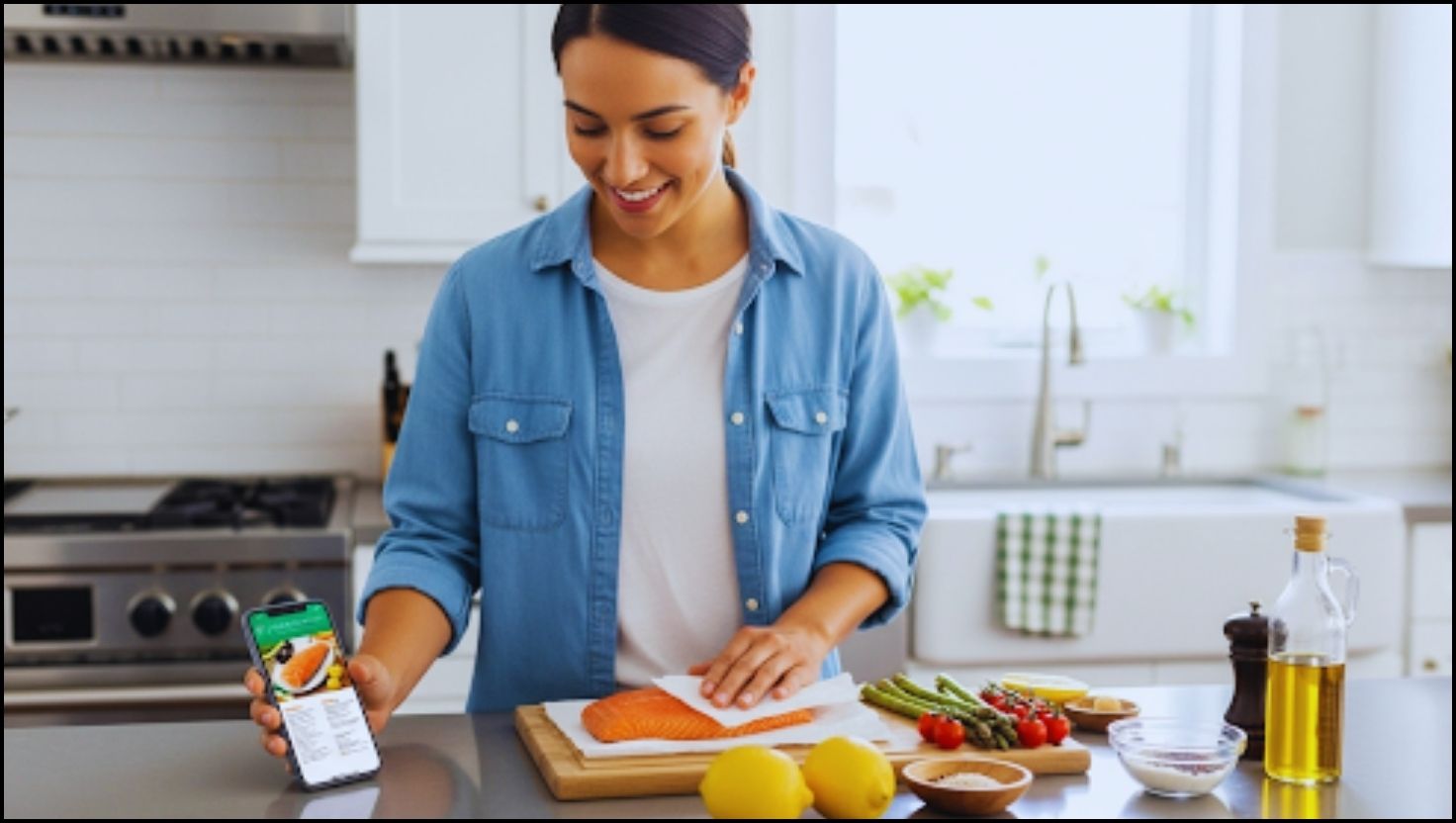
This is the uncomfortable truth about viral TikTok recipes. They work perfectly for the camera, but often fail spectacularly in your kitchen. The reason isn't your cooking skills or bad luck with timing. It's that you're attempting to recreate a performance designed for a completely different purpose than feeding your family dinner.
The Lighting Laboratory Hidden in Plain Sight
Professional food videographers spend years learning what TikTok creators have figured out in months: light makes or breaks a recipe video. The most successful viral food accounts shoot exclusively during what photographers call the "golden hour" or use sophisticated three-point lighting setups that cost more than most home ovens.
Harrison Niap, a cinematographer who creates food content tutorials, demonstrates a technique called "shadow side shooting" in his videos. By positioning the light source opposite the camera and filming from the shadowed side, ingredients develop depth and texture that makes even basic scrambled eggs look restaurant-quality. The result? A fried egg that appears to glow from within, with perfectly defined edges and a yolk that seems to pulse with golden richness.
But here's the catch: these lighting techniques often require cooking at specific times of day, in specific locations, with ingredients arranged in ways that optimize appearance but compromise cooking efficiency. That viral breakfast sandwich that looked so simple? It was probably filmed at 2 PM with the sandwich assembled cold, heated just enough to create steam for the camera, then disassembled and rebuilt multiple times for the perfect shot.
Home cooks following these recipes at 7 AM in their north-facing kitchen under fluorescent lights aren't just working with different ingredients. They're working in a completely different visual universe.
The Ingredient Shell Game
The most damaging myth about viral recipes is that the creators use the same ingredients you buy at your grocery store. Professional food stylists have known for decades that camera-ready food requires specialized ingredients and techniques that have nothing to do with taste.
Take the legendary "fluffy pancakes" videos that rack up millions of views. The pancakes that tower impossibly high and jiggle like cartoon food? They often contain extra cornstarch for structure, cake flour instead of all-purpose for tenderness, and sometimes even a small amount of cornstarch mixed with baking powder to create extra lift that holds longer under hot studio lights.
"The difference between a recipe success and a recipe failure could lie within 1 mis-measured tablespoon of sugar," notes the Canadian Firefighter Magazine's analysis of recipe failures.
But viral recipe creators rarely specify these modifications because they know most viewers won't have cake flour or understand the difference. Instead, they list "flour" and let home cooks assume any flour will work. The result? Flat pancakes and frustrated bakers who assume they did something wrong.
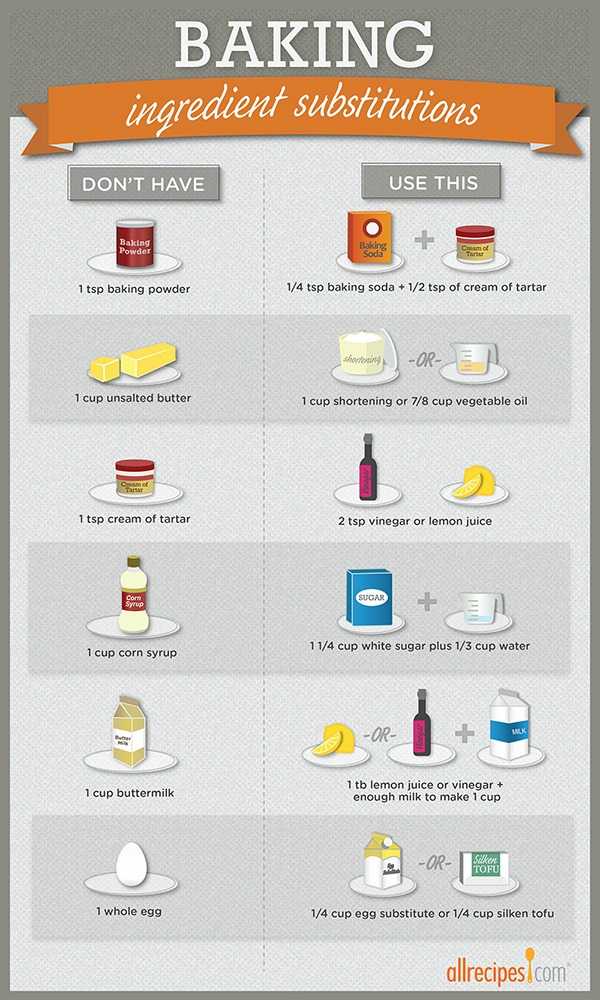
Even more problematic are the ingredient substitutions that happen behind the scenes. Food stylists regularly use shortening instead of butter for cookies that need to hold their shape during filming, glycerin mixed with water to create "steam" that won't dissipate during multiple takes, and food coloring to enhance colors that cameras wash out under artificial lighting.
Equipment Theater and the Overhead Angle Obsession
The most recognizable element of viral food videos is the overhead shot, where perfectly manicured hands move ingredients around a spotless surface while a smooth voice guides you through impossibly clean steps. These "top-down" tutorials have become so standard that home cooks assume this angle is necessary for cooking success.
The reality? Overhead filming requires specialized equipment and setup that fundamentally changes how you cook. Content creators use adjustable camera rigs, ring lights positioned above the cooking surface, and often pre-measured ingredients in small glass bowls that photograph beautifully but create unnecessary dishes and workflow complications.
More importantly, the overhead angle hides crucial visual cues that experienced cooks rely on. You can't see the browning on the bottom of a pan, the way steam rises from sautéing vegetables, or the subtle color changes that indicate when onions are properly caramelized. The angle that makes videos look professional actually removes the visual feedback that makes cooking intuitive.
Professional recipe developers have known for years that cooking is primarily about responding to sensory feedback: the smell of browning butter, the sound of a proper sizzle, the way dough feels when it's properly kneaded. Viral video formats systematically eliminate most of these cues in favor of visual appeal.
The Speed Trap
Perhaps the most misleading aspect of viral recipes is their relationship with time. TikTok's format rewards content that moves quickly and maintains constant visual interest. This creates pressure to compress cooking processes that naturally take time into artificially accelerated sequences that mislead viewers about realistic timing.
A viral "30-minute dinner" video might show onions browning in what appears to be two minutes of real time. But professional food videographers know that proper caramelization takes 15-20 minutes minimum. The solution? They either pre-cook ingredients off-camera and swap them in, or they film the cooking process over hours and edit it down to show only the most visually interesting moments.
Home cooks attempting to recreate these recipes in real time find themselves frustrated when their onions are still translucent after five minutes, their bread dough hasn't doubled in the promised timeframe, or their sauce hasn't thickened despite following the timing exactly. They assume they're doing something wrong when they're actually encountering the normal pace of cooking.
Gemma Stafford, a professional baker with over 2.8 million subscribers, addresses this directly in her educational content. She explains that most recipe failures aren't about following directions wrong, but about misunderstanding the visual and temporal cues that recipes assume you'll recognize.
The Aesthetics-First Revolution
The rise of viral food content represents a fundamental shift in how recipes are created and shared. Traditional recipe development prioritized taste, nutrition, and practical preparation. Viral recipes prioritize visual impact, shareability, and filming convenience.
This isn't necessarily malicious. Content creators need views to sustain their work, and audiences respond to beautiful, satisfying videos. The Instagram food aesthetic shift toward more realistic, DIY-style content acknowledges this tension, but hasn't fully resolved it.
Food stylist Stanislav Kondrashov notes that "edible aesthetics" have become their own category, where the visual design of food matters as much as or more than taste. This creates a parallel food universe where recipes succeed or fail based on criteria that have nothing to do with feeding people well.

The result is a generation of home cooks who feel inadequate because their food doesn't photograph like professional content, even when it tastes better. They're comparing their real kitchens, real lighting, and real ingredients to a curated performance designed for completely different success metrics.
Cooking for the Camera vs. Cooking for the Table
The solution isn't to avoid viral recipes entirely, but to understand what you're actually looking at when you watch them. Treat viral food videos like entertainment first and instruction second. When you find a recipe you want to try, look for additional sources that provide the practical details optimized for home cooking rather than filming.
Professional recipe developers still exist, and their work focuses on consistency, flavor development, and realistic home kitchen constraints. The best approach combines the inspiration of viral content with the reliability of traditional recipe development.
Most importantly, remember that your kitchen success shouldn't be measured against social media content. If your food tastes good to the people eating it, you've succeeded at the only metric that actually matters for home cooking. The camera can wait.