The Seattle Traveler's Secret: Why September is Thailand's Hidden Flight Deal Window
How to save $700 on flights while dodging peak season crowds and finding festival gold.
While most travelers obsess over Thailand's perfect November weather, savvy Seattle flyers know a different secret. September flights to Bangkok average just $749 roundtrip—nearly $700 less than the peak season rush. The catch? You'll be trading blue skies for monsoon clouds. But here's what most travel guides won't tell you: that tradeoff might be exactly what transforms a good trip into an extraordinary one.
The Price Reality: When Your Wallet Wins
The numbers from Seattle tell a clear story. September delivers the year's cheapest flights at $749 roundtrip, while peak December trips can hit $1,906—that's a 154% price difference. April runs a close second for deals, with fares around $589 to $749, depending on your booking timing.
But here's where it gets interesting: those September savings aren't just about avoiding crowds.
Airlines know something most tourists don't. September marks the tail end of monsoon season, when many travelers stay home despite the fact that daily rainfall rarely disrupts entire days. The result? Empty planes and desperate pricing from carriers trying to fill seats.
March through May offers another budget window, with temperatures climbing but prices dropping to the $700-800 range. You'll face Thailand's hottest weather—often hitting 40°C (104°F)—but your bank account will thank you.
Decoding Thailand's Three-Season Rhythm
Thailand doesn't do subtle seasons. Instead, it operates on a three-act drama that determines everything from your flight price to your daily itinerary.
The cool season (November through February) is when Thailand puts on its best face. Temperatures hover between 22-28°C with almost zero rain and low humidity. It's also when everyone else shows up. Hotel prices double, attractions overflow, and that idyllic beach photo requires patience and crowd-dodging skills.
Hot season (March through May) turns up the heat dial to uncomfortable levels. But here's the insider knowledge: if you can handle temperatures that regularly exceed 35°C, you'll find a Thailand with breathing room. Fewer tourists means authentic interactions with locals and significantly lower accommodation costs.
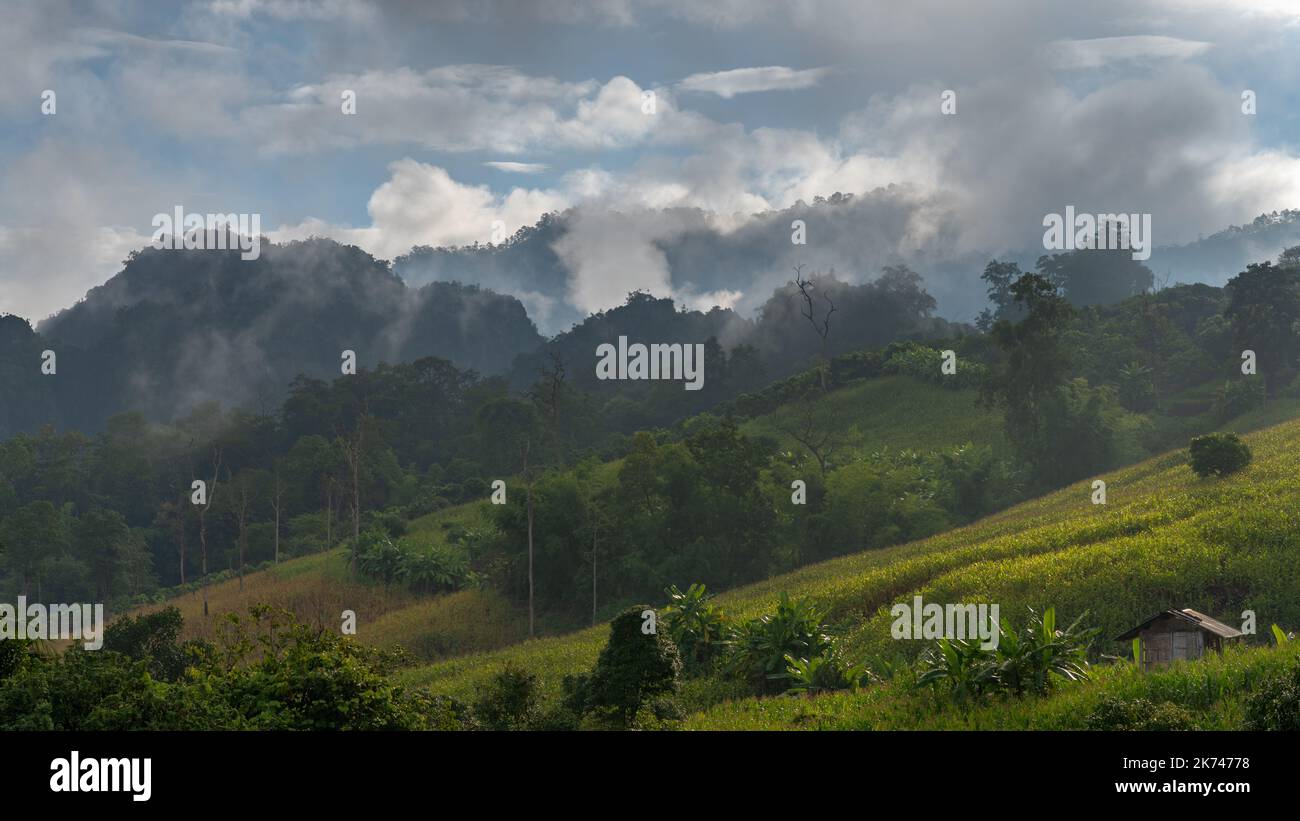
Monsoon season (June through October) is when Thailand gets moody. But monsoon doesn't mean constant downpours. Typical patterns involve intense afternoon storms followed by clear evening skies. The payoff? Lush landscapes, dramatic cloud formations, and a Thailand that feels genuinely wild.
September combines the year's lowest flight prices with manageable weather patterns—just 2-3 hours of daily rainfall, usually predictable afternoon storms.
Festival Calendar: When Culture Beats Weather
Smart travelers plan around Thailand's festival calendar, not just weather reports. April brings Songkran, the Thai New Year water festival that transforms the entire country into a massive, joyful water fight from April 13-15. Yes, it's hot season. Yes, you'll be soaked. But experiencing Songkran is worth enduring 40°C temperatures.
November offers Loy Krathong, the Festival of Lights, when millions of floating lanterns and lotus-shaped boats create one of Southeast Asia's most magical spectacles. The timing coincides perfectly with cool season weather, but expect premium prices for everything.
Here's a festival hack most miss: July through September features numerous regional celebrations with fewer international tourists. Local temple festivals and harvest celebrations offer authentic cultural immersion without the Instagram crowds.

The Sweet Spot Strategy: September and Early October
After analyzing flight prices, weather patterns, and cultural calendars, September emerges as Thailand's best-kept secret for Seattle travelers. You'll pay rock-bottom airfare prices while experiencing Thailand during its most photogenic period.
Monsoon season creates landscape drama impossible during dry months. Rice paddies glow electric green. Waterfalls rage at full power. Cloud formations provide natural photography filters that no app can replicate.
The crowds thin dramatically. Popular attractions that require 6 AM arrivals during peak season become accessible throughout the day. Restaurant reservations aren't battles. Beach chairs aren't premium commodities.
Early October extends these advantages while weather conditions gradually improve. By mid-October, rainfall decreases significantly but prices remain reasonable. It's the transition period that offers the best of both worlds.
Practical Planning: Making Monsoon Work
Monsoon season success requires different strategies than dry season travel. Pack lightweight rain gear, not heavy umbrellas. Plan indoor activities for typical 2-4 PM storm windows. Book accommodations with covered walkways and good drainage.
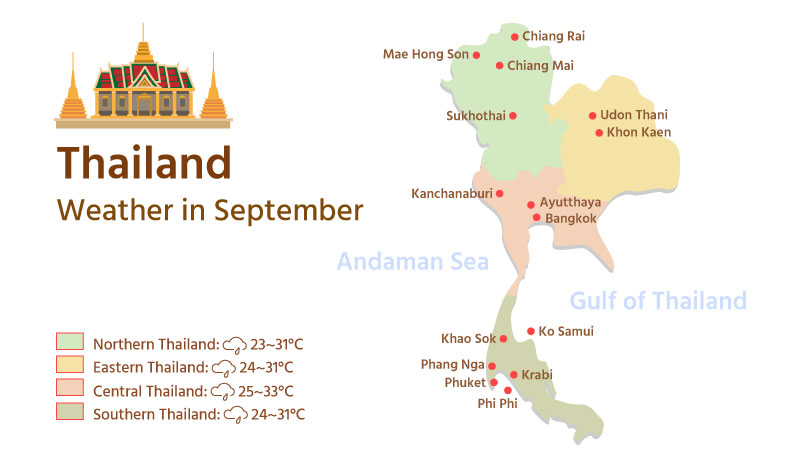
Island destinations like Phuket and Koh Samui experience different monsoon patterns. Phuket's west coast gets hit harder in September, while Koh Samui's east coast location provides some protection. Research specific regional patterns rather than relying on country-wide forecasts.
Transportation adapts to monsoon rhythms. Domestic flights rarely cancel, but delays increase. Budget extra time for ground transportation, as flooding can impact rural roads.
The key insight: monsoon season reveals Thailand's authentic personality—dramatic, unpredictable, and ultimately more rewarding for travelers willing to embrace uncertainty.
Your Decision Framework
Choose November through February if perfect weather matters more than budget constraints and you don't mind sharing Thailand with peak crowds. Expect to pay $1,200-1,900 from Seattle and book accommodations months ahead.
Pick March through May for significant savings and authentic local experiences, but prepare for intense heat. April offers the cultural bonus of Songkran, making scorching temperatures worthwhile for the experience.
Select September if you prioritize maximum savings, dramatic landscapes, and authentic interactions over guaranteed sunshine. You'll save up to $700 on flights while experiencing Thailand's most photogenic season.
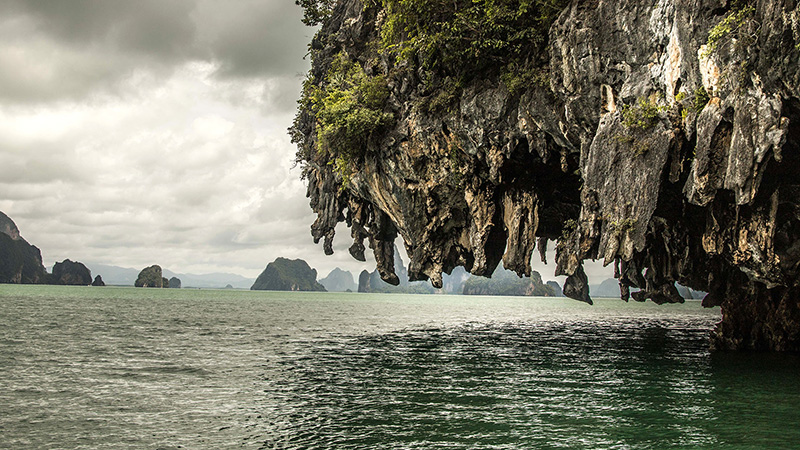
The truth about optimal Thailand travel timing? It depends entirely on what you value most. But for Seattle travelers seeking the best combination of affordability, authenticity, and natural beauty, September's monsoon magic deserves serious consideration. Just pack that rain jacket.