RFK Jr.'s 'Real Food' Revolution Is a Political Masterpiece—And That's the Problem
How Trump's health secretary turned America's genuine food crisis into the perfect campaign weapon while keeping the actual solutions deliberately vague.
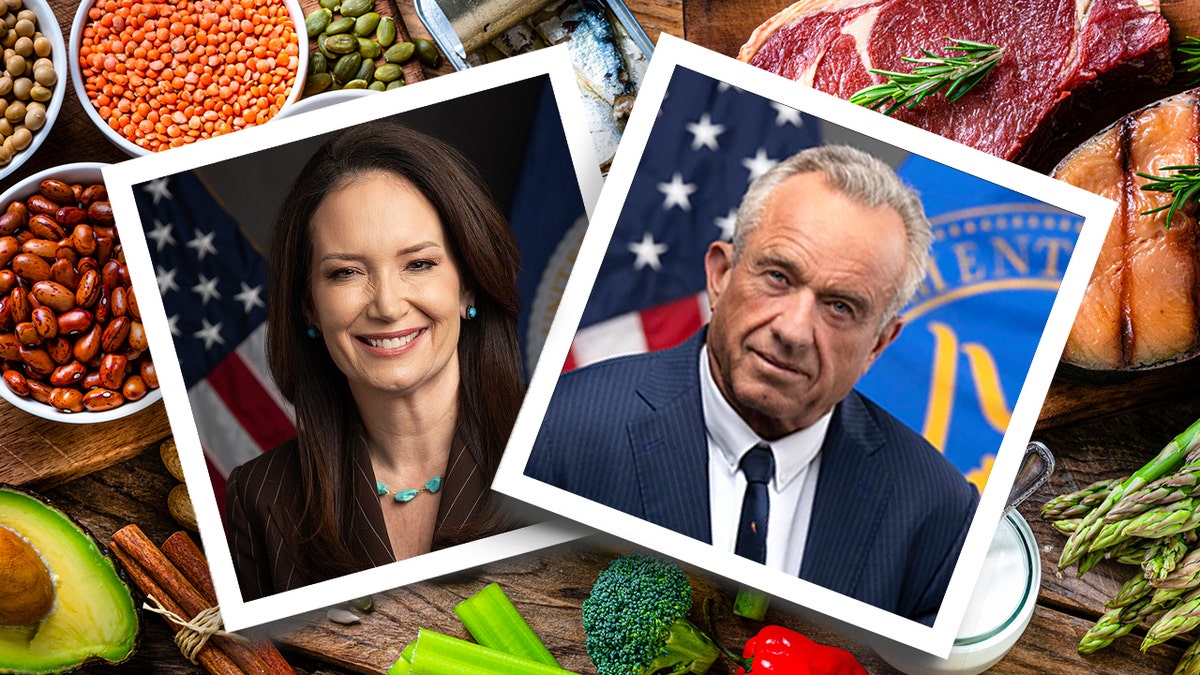
When Robert F. Kennedy Jr. unveiled his inverted food pyramid on January 7, 2026, placing red meat and cheese at the apex where grains once lived, he wasn't just rewriting nutrition guidelines. He was executing one of the most sophisticated political maneuvers in recent memory—weaponizing America's authentic food crisis for maximum electoral gain while carefully avoiding the regulatory specifics that might actually solve it.
The Perfect Storm of Consumer Distrust
The timing couldn't be more calculated. Americans consume 55% of their daily calories from ultra-processed foods, according to CDC data from 2021-2023. Young people aged 1-18 consume even higher percentages, creating a generation raised on what Harvard researchers have linked directly to early death—particularly processed meats, sugary breakfast foods, and artificially sweetened beverages.
This isn't some fringe health concern anymore. It's a crisis hiding in plain sight in every grocery store aisle.
Kennedy's genius lies in recognizing that consumers already know something is wrong. Food trust surveys show a "general downward trend in trust in government" when it comes to nutrition guidance, while consumers increasingly rely on food packaging labels and certifications to assess safety and quality themselves. The Center for Food Integrity's 2025 research reveals five distinct consumer segments, each with "unique definitions of what's true for them when it comes to food."
Into this vacuum of institutional credibility steps Kennedy with his "Make America Healthy Again" mission. But look closer at the actual policy proposals, and the political calculation becomes clear.
The Regulation Sleight of Hand
Kennedy's MAHA report promises that "HHS, FDA, and USDA will remove" certain food regulations—but conveniently stops short of specifying which ones. The administration talks about "deregulating food" while simultaneously crusading against ultra-processed products. It's a masterclass in having it both ways.
Seven states have already passed laws targeting food dyes, with West Virginia becoming the first to ban seven dyes from all food products. Companies are responding not to federal mandates, but to state-level pressure.
This selective specificity isn't accidental. State-level action on food dyes creates visible wins that Kennedy can claim credit for, while keeping federal regulatory policy deliberately ambiguous. When pressed for details, the administration can point to these state victories as evidence of progress while avoiding the messy work of actual federal rulemaking.
Consider what's missing from Kennedy's public statements: concrete timelines for FDA labeling rules, specific definitions of what constitutes "ultra-processed" foods, or detailed enforcement mechanisms. The FDA was supposed to publish updated labeling rules in December 2023, then pushed the deadline to June 2024. Under Kennedy's watch, those deadlines have become even more fluid.

Why Vague Policies Make Perfect Politics
The brilliance of Kennedy's approach lies in its deliberate imprecision. By keeping regulatory details vague, the administration can satisfy multiple constituencies simultaneously. Health-conscious consumers hear promises of cleaner food. Industry lobbyists hear talk of deregulation. Rural voters see emphasis on meat and dairy. Urban progressives focus on the anti-corporate messaging.
This strategic ambiguity becomes even more powerful as the 2026 midterms approach. Kennedy has already shifted away from his more controversial vaccine positions to focus entirely on food policy—a much safer political territory where he can claim to be fighting for "real Americans" against faceless corporate interests.
The food industry, meanwhile, finds itself in an impossible position. They can't openly oppose "real food" without appearing to defend ultra-processed products that consumers increasingly distrust. But they also can't prepare for compliance with regulations that remain undefined.
The State-Level Strategy That Actually Works
While federal policy remains deliberately vague, Kennedy's team has quietly encouraged state-level action that creates the appearance of momentum without requiring federal commitment. West Virginia's ban on seven food dyes has inspired similar legislation in six other states, creating a patchwork of regulations that companies must navigate.
This state-by-state approach serves Kennedy's political needs perfectly. Each new state law generates headlines about the "MAHA movement" gaining steam, while the federal government avoids taking controversial stands that might alienate key constituencies. When General Mills or PepsiCo removes artificial dyes from their products, Kennedy can claim victory regardless of whether federal policy played any role.
The strategy also creates a useful scapegoat structure. If health outcomes don't improve significantly by 2028, Kennedy can blame federal bureaucracy, entrenched industry interests, or insufficient state-level cooperation. The deliberately complex implementation timeline makes it nearly impossible to hold anyone accountable for specific results.
The Consumer Trust Paradox
Perhaps the most sophisticated element of Kennedy's approach is how it exploits the very consumer distrust it claims to address. By positioning himself as the outsider fighting against both government bureaucracy and corporate interests, Kennedy can simultaneously benefit from anti-establishment sentiment while wielding considerable establishment power.
This creates a perfect feedback loop. The more consumers distrust traditional nutrition guidance, the more credible Kennedy's alternative pyramid appears. The more the food industry resists specific regulations, the more Kennedy can position himself as their authentic opponent. The more federal agencies struggle with implementation, the more Kennedy can claim the system is rigged against ordinary Americans.
The real test isn't whether Kennedy's food pyramid makes nutritional sense—it's whether this political strategy can sustain itself through multiple election cycles without delivering measurable health improvements.
What This Means for Your Grocery Cart
For consumers trying to navigate this political theater, the practical implications are both encouraging and frustrating. State-level pressure is genuinely forcing some improvements in food labeling and ingredient lists. Companies are removing artificial dyes and reducing ultra-processed ingredients, though often more for marketing reasons than regulatory compliance.
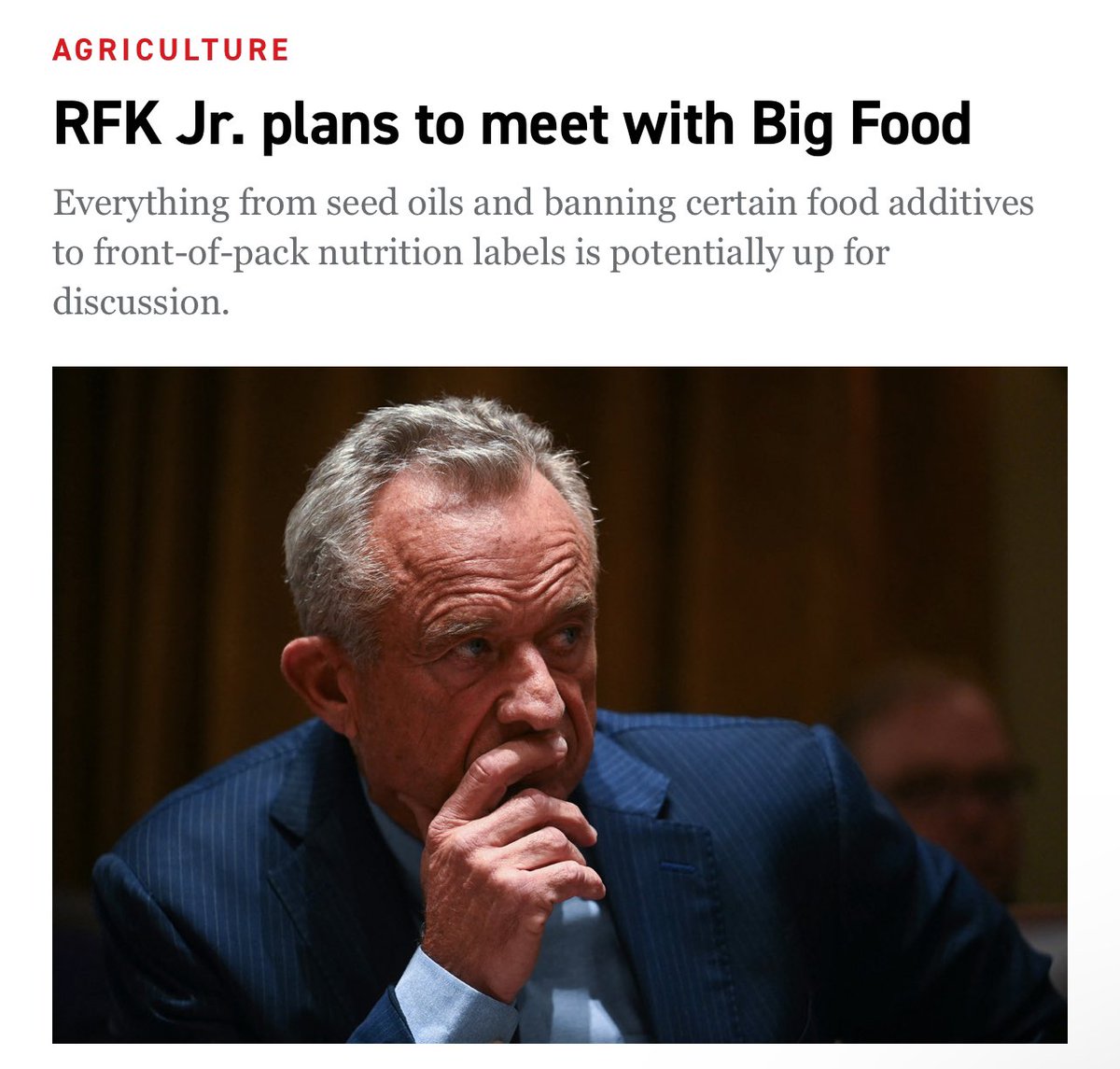
But don't expect comprehensive federal action anytime soon. Kennedy's political incentives favor maintaining the status quo of consumer anxiety and corporate uncertainty rather than implementing clear, enforceable standards. The "real food" revolution works better as a perpetual campaign promise than as accomplished policy.
The catch nobody's discussing is that Kennedy has created the perfect political product: a health initiative that generates endless headlines and passionate support while avoiding the regulatory specificity that might actually solve the underlying problems—or create new political vulnerabilities. It's authentic political theater about authentic food concerns, which might be the most 2026 thing imaginable.
Whether this translates into healthier Americans or just more effective campaigns remains to be seen. But as a piece of political engineering, Kennedy's "real food" initiative deserves recognition as a masterpiece of strategic ambiguity in an age of consumer distrust.