RFK Jr.'s 'Real Food' Push Reveals the Uncomfortable Truth About Why Americans Can't Actually Eat What They Say They Want
His dietary guidelines expose a system designed to make healthy eating nearly impossible for most Americans.
Robert F. Kennedy Jr. just told Americans to eat more steak and fewer Cheetos. On the surface, his new dietary guidelines sound like common sense: prioritize protein, embrace full-fat dairy, ditch the processed junk. But here's the uncomfortable truth his administration won't say out loud: the same government promoting these guidelines has spent decades making the opposite diet inevitable for most Americans.
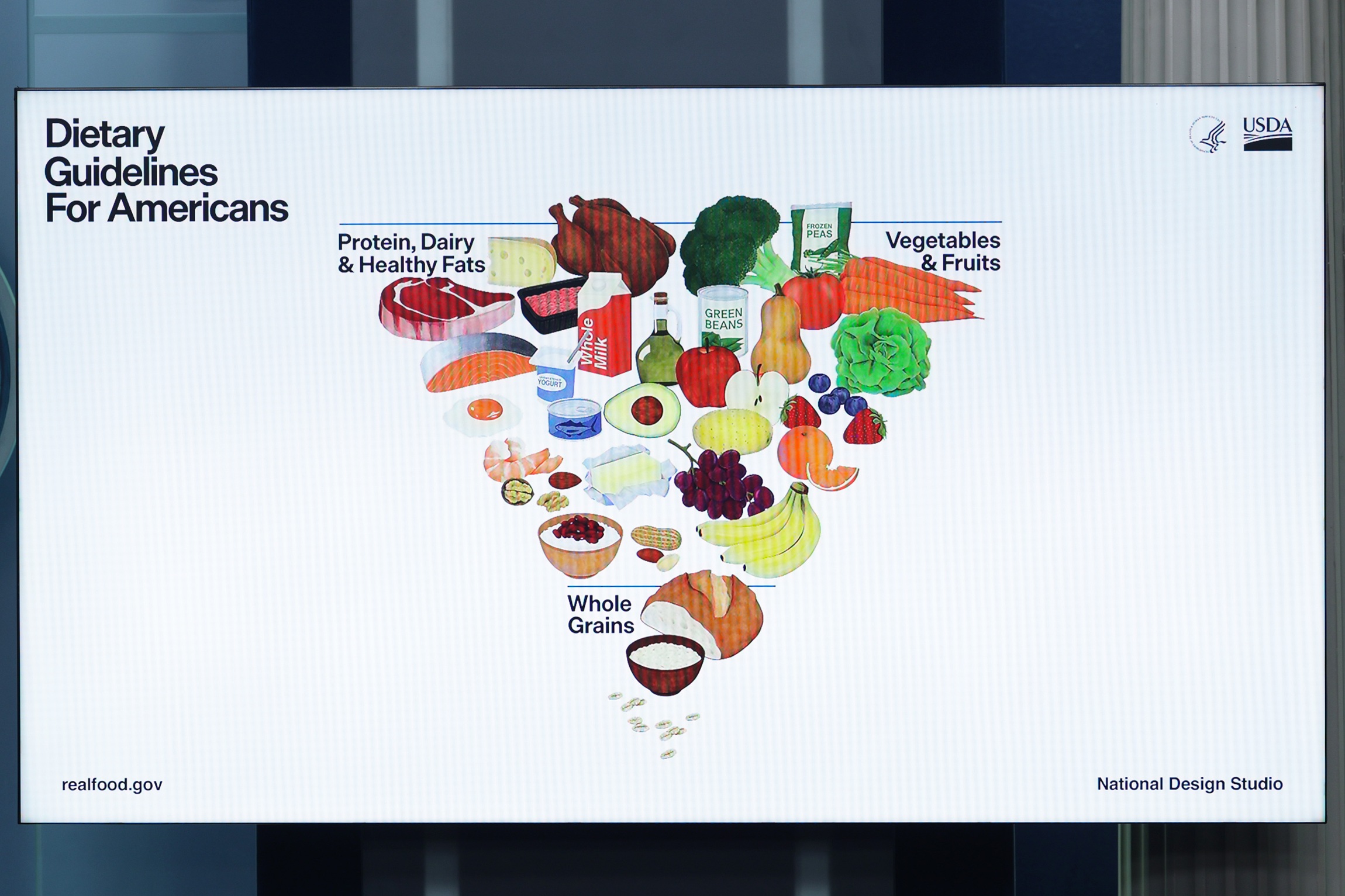
Kennedy and Agriculture Secretary Brooke Rollins unveiled what they're calling "the most significant reset of federal nutrition policy in our nation's history." The 2025-2030 Dietary Guidelines for Americans flip the script on everything from saturated fat to carbohydrates. Where previous guidelines warned against full-fat dairy and red meat, Kennedy's version embraces both.
The timing isn't coincidental. This isn't just about nutrition science. It's political theater with a very real policy agenda behind it.
The Numbers Don't Lie About America's Food Problem
Americans consume 60% of their daily calories from ultra-processed foods. That's not a typo. More than half of everything we eat comes from packages, not farms. Compare that to Europe, where ultra-processed foods account for 14% to 44% of caloric intake, and you start to see the scope of America's processed food addiction.
Recent CDC data shows the problem affects everyone, but hits hardest where you'd expect. Youth consume slightly more ultra-processed foods than adults. Families with lower incomes rely on them more heavily than wealthy households. The pattern is so consistent it looks intentional.

Food insecurity drives this consumption pattern. When you're choosing between paying rent and buying groceries, a $1 box of mac and cheese beats a $6 piece of salmon every time. SNAP participants show higher ultra-processed food consumption rates than income-eligible non-participants, suggesting that even food assistance programs inadvertently steer people toward processed options.
Kennedy's guidelines acknowledge this reality without addressing its root cause. They recommend eating "real food" in a country where real food is systematically more expensive and less accessible than fake food.
The Subsidy System That Built This Problem
Here's where Kennedy's message gets complicated by political reality. The federal government spends roughly 70% of agricultural subsidies on three crops: corn, wheat, and soybeans. These aren't the building blocks of Kennedy's recommended diet. They're the raw materials for high fructose corn syrup, refined flour, and soybean oil.
As food author Michael Pollan puts it: "Cheap food is the goal of all governments." By subsidizing corn and soy production, the government actively supports a diet built on processed grains rather than the protein and vegetables Kennedy now recommends. Remove those subsidies, and corn prices rise. That creates problems for the entire food industry, which has built its profit margins on cheap, subsidized ingredients.
The federal government has created a food system where following official dietary advice requires swimming against the economic current it helped create.
Agricultural lobbying data reveals the scope of industry influence. Agribusiness corporations spent over $150 million lobbying on food and farm bills between 2019 and 2023. That's not money spent promoting Kennedy's vision of grass-fed beef and organic vegetables. It's investment in maintaining a system that makes processed food ingredients artificially cheap.
The insurance system compounds this effect. Subsidized crop insurance covers more than 100 crops, but corn, cotton, soybeans, and wheat receive about 80% of current benefits. Farmers get financial protection for growing commodity crops, not the diverse fruits and vegetables Kennedy's guidelines recommend.
Why This Becomes Kennedy's Political Strategy
Kennedy understands the contradiction at the heart of American food policy. His guidelines aren't just nutrition advice. They're a political wedge designed to highlight the gap between what Americans want to eat and what the current system allows them to afford.
Poll after poll shows Americans want to eat healthier. They know processed food is bad for them. They understand the connection between diet and chronic disease. But knowing what to do and being able to do it are different problems entirely.
Kennedy's strategy exploits this frustration. By promoting guidelines that sound reasonable but remain economically impossible for many Americans, he sets up a narrative about government failure and corporate capture. When families can't afford to follow the official dietary advice, that becomes evidence that the system is rigged.
The political brilliance is obvious. Kennedy gets to position himself as the truth-teller calling out decades of bad advice, while avoiding the harder conversation about agricultural policy reform. He can promote steak and salmon without addressing why those foods cost more than hamburger helper and ramen noodles.
The Real Cost of Real Food
Kennedy's guidelines ignore the economic reality facing most American families. A pound of grass-fed ground beef costs $8-12 at most grocery stores. A box of hamburger helper costs $1.50. The math isn't complicated, but the solutions are.
Ultra-processed foods dominate mainstream U.S. supermarkets not because Americans prefer them, but because they offer calories per dollar that whole foods can't match. Even basic staples in American grocery stores are more processed than their European counterparts, creating a food environment where following Kennedy's advice requires both knowledge and disposable income.
Research shows this creates a vicious cycle. Families experiencing food insecurity rely more heavily on ultra-processed options, which provide immediate satiation but poor long-term nutrition. Poor nutrition contributes to health problems that strain family budgets, creating more food insecurity. Kennedy's guidelines offer no pathway out of this cycle.
The emphasis on full-fat dairy illustrates the problem perfectly. Kennedy's team correctly notes that decades of low-fat recommendations lacked solid scientific backing. Full-fat dairy products do offer better satiety and nutrient profiles than their processed alternatives. But organic, grass-fed, full-fat dairy costs 2-3 times more than conventional low-fat options, making the advice economically irrelevant for families choosing between milk and medicine.
What Kennedy's Guidelines Actually Accomplish
Stripped of political positioning, Kennedy's dietary recommendations represent solid nutrition science. Prioritizing protein over refined carbohydrates makes sense. Choosing whole foods over processed alternatives improves health outcomes. Ending the "war on saturated fats" aligns with recent research showing that naturally occurring fats in whole foods behave differently than industrial trans fats.
The guidelines describe the diet Americans should eat, not the diet the American food system is designed to provide.
But good science doesn't automatically create good policy. Kennedy's guidelines will influence federal nutrition programs and policies, potentially affecting school meals, WIC benefits, and SNAP eligibility. Those changes could improve nutrition access for some Americans while making healthy eating less affordable for others, depending on implementation details that remain unclear.

The political impact may prove more significant than the nutritional one. By highlighting the contradiction between official dietary advice and economic reality, Kennedy creates space for broader conversations about food policy reform. Whether that conversation leads to meaningful change or just more political theater depends on follow-through that his administration hasn't yet demonstrated.
The Path Forward Nobody Wants to Take
Implementing Kennedy's vision would require addressing the agricultural subsidies and lobbying influence he's carefully avoided mentioning. Real food policy reform means making healthy foods more affordable and accessible, not just recommending that people buy them.
That might involve shifting subsidies from commodity crops to fruits and vegetables. It could mean regulating food marketing practices that target processed foods at children and low-income communities. It would definitely require confronting the agricultural lobby that spent $150 million protecting the current system.
Kennedy's guidelines offer Americans a clear picture of what healthy eating looks like. They provide none of the policy tools needed to make that vision accessible to families earning median wages or less. The gap between aspiration and implementation reveals the fundamental challenge facing anyone serious about improving American nutrition: you can't fix the food system without fixing the economic system that shapes food choices.
Whether Kennedy's administration will tackle that harder challenge remains to be seen. For now, Americans have new official advice about eating real food, and the same old economic incentives that make following that advice impossible for most of them. The contradiction isn't a bug in Kennedy's strategy. It's the feature he's counting on to reshape the political conversation around food, health, and government responsibility.