The Recipe Industrial Complex: How TikTok's Viral Food Trends Became a $50 Billion Engagement Trap
From Gigi Hadid Pasta to Million Dollar Grilled Cheese, these recipes aren't designed to feed you—they're engineered to sell you.
When Gigi Hadid posted her vodka pasta recipe during the pandemic, she probably didn't expect it to become a case study in algorithmic manipulation. Within weeks, grocery stores across America reported shortages of heavy cream, vodka, and San Marzano tomatoes. The recipe itself is mediocre—a basic pink sauce that any Italian grandmother would roll her eyes at. But it generated 2.3 billion views and counting.

The Hadid pasta phenomenon reveals something unsettling about how we consume food content today. These viral recipes aren't popular because they taste exceptional. They're engineered for maximum shareability, designed to trigger TikTok's engagement algorithm and drive purchasing behavior that benefits everyone except the home cook left with mediocre leftovers.
Welcome to the recipe industrial complex, where authenticity takes a backseat to metrics.
The Anatomy of Algorithmic Food
TikTok's recommendation system prioritizes three key metrics: watch time, engagement, and completion rates. Food creators have reverse-engineered these requirements into a formula that has nothing to do with culinary excellence. The result is content optimized for phones, not plates.
Take the "Million Dollar" naming convention that's spawned dozens of variations—Million Dollar Grilled Cheese, Million Dollar Spaghetti, Million Dollar Chicken. The name itself is clickbait, promising luxury for the cost of groceries. These recipes typically feature three elements: excessive cheese, heavy cream, and at least one "secret" ingredient that justifies the hyperbolic title.
Food trend analyst Quid's research shows that viral recipe videos follow a predictable pattern: 15-second setup, 30-second preparation montage, 10-second money shot of the finished dish, and 5 seconds of the creator taking an exaggerated bite. This 60-second structure maximizes completion rates while minimizing the time needed to actually explain cooking techniques.
The National Center for Biotechnology Information analyzed 500 nutrition-related TikTok videos and found that engagement metrics inversely correlated with nutritional accuracy. Videos promoting balanced, realistic cooking received 40% fewer likes than those featuring excessive amounts of cheese, butter, and processed ingredients.
It's not an accident. Extreme flavors photograph better and generate stronger reactions—both positive and negative comments drive engagement.
The Ingredient Shortage Economy
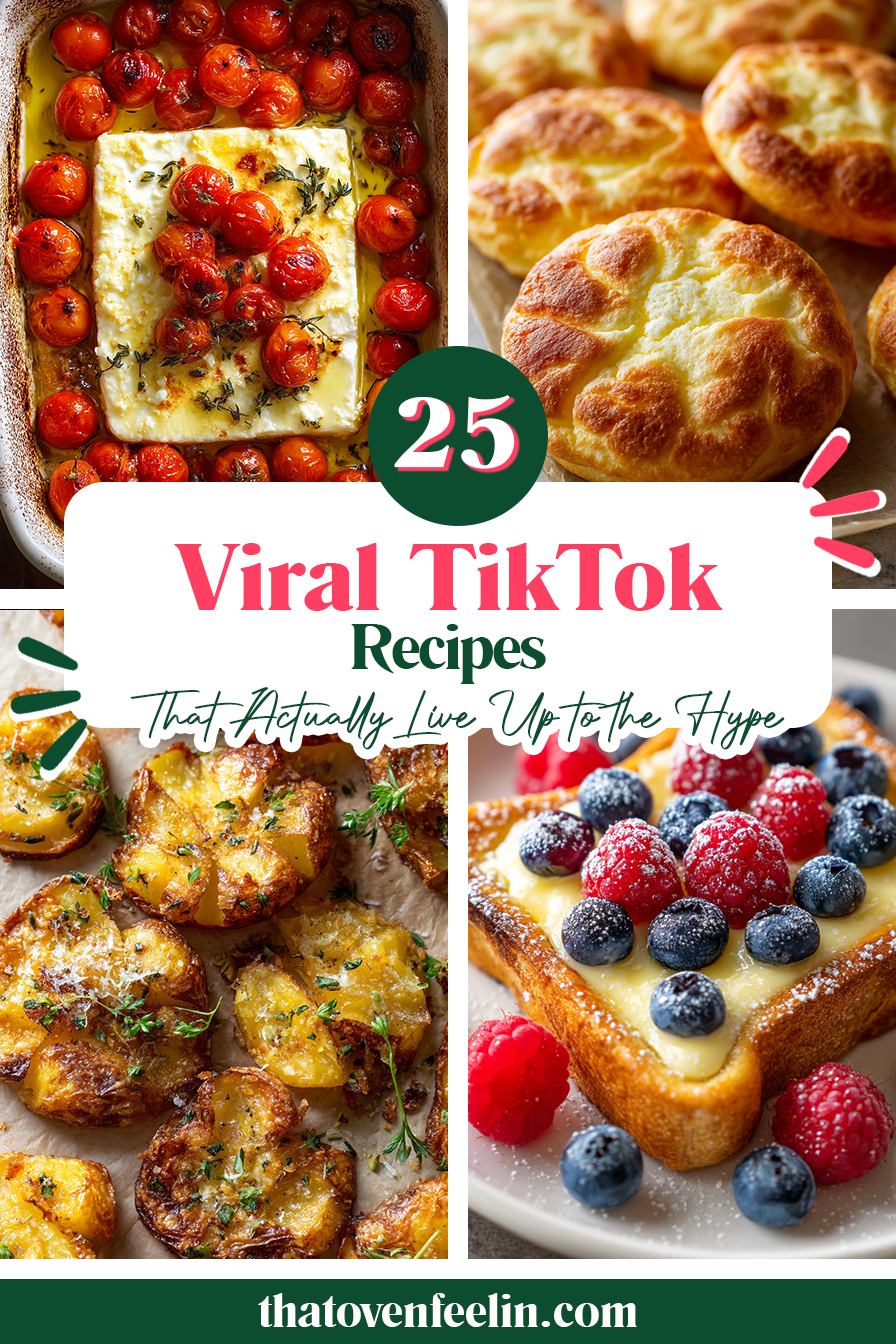
Behind every viral recipe lies a supply chain disruption waiting to happen. When feta cheese became the star of the "Baked Feta Pasta" trend in 2021, US feta sales increased by 75% in a single month. Finnish grocery stores, where the recipe originated, reported complete feta shortages for weeks.
Food retailers have learned to anticipate these surges. Target now employs social media monitoring tools that track recipe mentions and automatically adjusts inventory orders. When they detected early signals of the "Marry Me Chicken" trend gaining traction, they increased heavy cream orders by 150% in key markets.
"We've essentially created a system where grocery shopping is driven by algorithm-generated content rather than seasonal availability or nutritional needs," says retail analyst Maria Rodriguez.
The winners in this system aren't home cooks. Food manufacturers and grocery chains have discovered that viral recipes generate predictable demand spikes that can be monetized through strategic pricing and inventory management. Heavy cream prices typically increase 20-30% during major recipe trends, yet sales volume more than compensates for any customer pushback.
Affiliate marketing has further monetized the trend. Food bloggers and influencers earn commissions on everything from specialty cookware to imported cheeses mentioned in viral recipes. The most successful food influencers report earning $50,000-$200,000 monthly through affiliate partnerships alone.
The Authenticity Paradox
The most successful viral food creators aren't professional chefs—they're content creators who happen to cook. This distinction matters more than it might seem. Traditional cooking shows prioritized technique, ingredient education, and cultural context. TikTok food content prioritizes aesthetic appeal and emotional reaction.
Consider the difference between Julia Child's coq au vin tutorial and a typical TikTok recipe. Child spent 30 minutes explaining why specific techniques matter, how to identify quality ingredients, and what could go wrong. TikTok creators spend 30 seconds showing melted cheese pulls and satisfied facial expressions.

The shift has profound implications for cooking literacy. A study by the Culinary Institute of America found that 65% of adults aged 18-34 have attempted viral recipes but only 12% could successfully adapt those recipes based on available ingredients or dietary restrictions. They've learned to follow viral instructions, not to cook.
This creates a dependency loop. Home cooks who rely primarily on viral content never develop the foundational skills needed to troubleshoot problems or create variations. When recipes inevitably disappoint—because they were designed for cameras, not taste—cooks assume they failed rather than questioning the source.
The Real Winners Behind the Scroll
Food companies have quietly become the biggest beneficiaries of viral recipe culture. Brands like Philadelphia Cream Cheese and Boursin have developed entire marketing strategies around seeding ingredients into potential viral content. They provide free products to micro-influencers, knowing that one successful recipe can generate millions in sales.
The numbers are staggering. When Boursin cheese appeared in a viral pasta bake recipe, the brand's sales increased by 300% in the following month. The company spent $50,000 on influencer partnerships and generated an estimated $15 million in additional revenue. Traditional advertising would have cost significantly more with less measurable impact.
"Viral recipes have become the most cost-effective product placement in food marketing," explains digital marketing strategist James Chen.
Platform economics incentivize this arrangement. TikTok takes no revenue share from affiliate marketing or brand partnerships, but viral food content keeps users scrolling, which increases ad revenue. Food creators get paid by brands and platforms. Grocery stores benefit from increased sales volume. Everyone wins except the home cook paying premium prices for mediocre meals.

The most insidious aspect is how this system masquerades as democratization. Viral recipes are presented as accessible alternatives to restaurant dining or professional cooking. In reality, they often require specialized ingredients, equipment, and techniques that make them more expensive and complicated than traditional alternatives.
Million Dollar Spaghetti costs approximately $25-30 to make and serves 4-6 people—hardly economical compared to a $12 box of quality pasta and homemade sauce.
What Actually Works in Your Kitchen
Not all viral recipes are cynical cash grabs. The best ones succeed because they solve real problems: they're genuinely convenient, use affordable ingredients creatively, or teach transferable techniques. The difference lies in the creator's intent and expertise.
Recipes that focus on technique over spectacle tend to produce better results. Look for content that explains why specific steps matter, offers substitution suggestions, or addresses common problems. Creators who demonstrate multiple variations or applications of the same technique are usually more interested in teaching than trending.
The most reliable viral recipes often come from creators with professional culinary backgrounds who understand how to adapt restaurant techniques for home kitchens. They may get fewer views initially, but their content generates better long-term results and builds genuine cooking confidence.
Before trying any viral recipe, ask yourself: Does this teach me something new? Are the ingredients proportional to the effort? Would I make this again without filming it? If the answers are no, you're probably looking at engagement bait rather than actual cooking content.
The solution isn't to avoid all social media food content, but to consume it more critically. The next time you see a Million Dollar recipe with perfect lighting and an ecstatic reaction shot, remember: it was designed to sell you something, and that something might not be dinner.