NASA's Moon Landing Reality Check: Why Jared Isaacman Is Adding Missions Instead of Meeting Deadlines
The Artemis program's latest overhaul reveals how space agencies really work when ambitious timelines meet orbital physics.
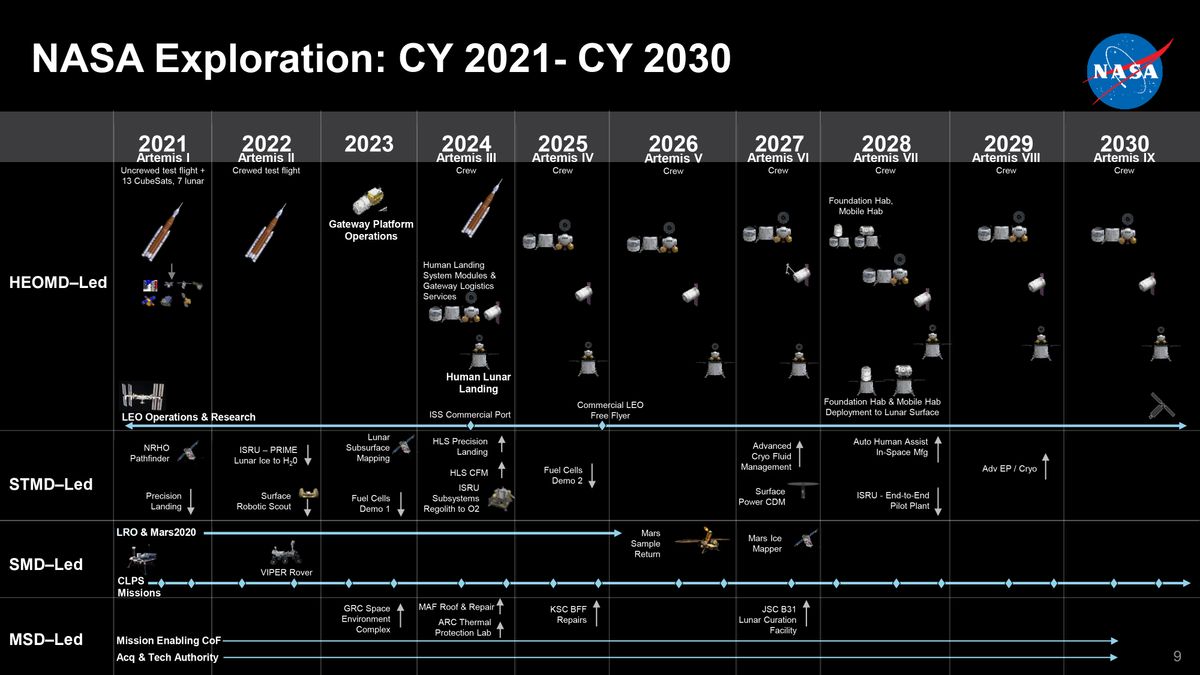
NASA Administrator Jared Isaacman stood before reporters in February 2026 and delivered news that sounded like progress but felt like déjà vu. The agency would add more missions to its Artemis moon program, launch every ten months instead of sporadically, and still somehow land astronauts on the moon by 2028. It was a masterclass in reframing delay as advancement.

The reality behind Isaacman's confident presentation tells a different story. Artemis II, originally scheduled for 2024, has been pushed to April 2026 due to a helium flow issue in the rocket's upper stage. The moon landing mission, Artemis III, has slipped from 2026 to 2028. Instead of acknowledging these as setbacks, NASA is repackaging them as strategic pivots.
The Apollo Comparison That Doesn't Add Up
Isaacman wants Artemis missions launching every ten months, a pace he contrasts favorably with Apollo's average of five months between launches. This comparison sounds impressive until you examine what Apollo actually accomplished. Between 1968 and 1972, NASA launched 11 crewed Apollo missions, including six successful moon landings, in just four years.
Artemis, by contrast, has managed one uncrewed test flight since its inception. The program began development in 2019 and won't see its first crewed mission until 2026 at the earliest. Even with the new ten-month cadence, NASA would need until 2030 to match Apollo's mission count.
The fundamental difference lies in approach. Apollo was designed as a sprint with a clear deadline: beat the Soviet Union to the moon before 1970. Artemis is structured as a sustainable program, which sounds responsible but creates different problems.

The Real Cost of Doing Business
NASA's Inspector General delivered a harsh assessment in 2022: the agency lacks a comprehensive cost estimate for the entire Artemis program. What we do know is troubling. The Government Accountability Office reported that four of 18 major NASA projects experienced cost overruns in the past year, with three facing schedule delays.
The Space Launch System (SLS), Artemis's primary rocket, has consumed over $20 billion in development costs. Each launch costs approximately $4.1 billion when you factor in development expenses. SpaceX's Falcon Heavy, while not suitable for deep space missions, costs $150 million per launch.
This cost disparity explains why Isaacman is pivoting toward commercial partnerships. The new plan includes rendezvous missions with SpaceX's Starship and Blue Origin's Blue Moon lander, essentially outsourcing critical capabilities that NASA struggled to develop in-house.
"What we did is insert additional missions, standardized, so we can actually achieve four Moon missions before Trump's term ends." - Jared Isaacman
The China Factor Changes Everything
Behind NASA's public optimism lies a growing concern about Chinese lunar ambitions. China's Chang'e program has successfully landed rovers on both the near and far sides of the moon, and Chinese officials have outlined plans for crewed lunar missions in the 2030s.
This competition adds political urgency to Artemis that the program wasn't originally designed to handle. Isaacman's promise of four moon missions before 2029 isn't just about scientific achievement. It's about maintaining American leadership in space at a time when that leadership faces its first serious challenge since the Soviet era.
The geopolitical pressure explains why NASA is willing to accept increased complexity and risk. Adding orbital rendezvous missions with multiple commercial vehicles creates more potential failure points, but it also creates more opportunities to demonstrate capability and maintain launch tempo.

What 'Back on Track' Actually Means
Isaacman's use of the phrase "back on track" is interesting because it implies Artemis was ever on a clear track to begin with. The program has faced continuous delays since its inception. Artemis I, the uncrewed test flight, was delayed multiple times before finally launching in November 2022.
The current overhaul acknowledges what space industry veterans have known for years: complex government programs rarely meet their original timelines. Instead of continuing to promise dates they couldn't meet, NASA is restructuring around what's actually achievable.
The ten-month launch cadence isn't arbitrary. It reflects the time needed to refurbish and prepare SLS rockets, integrate payloads, and coordinate with commercial partners. It's a realistic timeline disguised as an ambitious goal.
This approach might actually work. By setting achievable milestones and building in flexibility for delays, NASA could avoid the cycle of over-promise and under-deliver that has plagued major space programs for decades.
The Sustainability Question
The biggest question facing Artemis isn't technical but political. NASA needs sustained funding and support across multiple presidential administrations to succeed. The Apollo program benefited from unique circumstances: a clear national priority, bipartisan support, and a specific deadline.
Artemis operates in a different environment. Congressional support fluctuates with budget pressures and changing priorities. The program must justify its existence every fiscal year, competing with terrestrial concerns like infrastructure and healthcare.
Isaacman's strategy of increasing mission frequency and incorporating commercial partners addresses this challenge. More frequent launches keep the program visible and create jobs across multiple states, building political constituencies. Commercial partnerships reduce costs and share risks, making the program more sustainable long-term.
The average time between Apollo launches was five months, but NASA plans launches of Artemis missions to happen every ten months.
The Path Forward
NASA's Artemis overhaul represents a maturation of thinking about lunar exploration. Instead of treating moon missions as one-off achievements, the agency is building infrastructure for sustained presence. This approach takes longer and costs more upfront, but it could pay dividends for decades.
The key test will come with Artemis II in April 2026. If that mission succeeds, NASA's credibility gets a significant boost. If it faces further delays or technical problems, the entire program could face congressional scrutiny and budget cuts.
Isaacman's background as a private astronaut and entrepreneur brings a different perspective to NASA leadership. He understands both the possibilities and limitations of commercial space ventures. His willingness to incorporate SpaceX and Blue Origin capabilities shows pragmatism over bureaucratic pride.
The moon landing will happen eventually. The question is whether it happens in 2028 as promised, or whether we'll see another round of "course corrections" and timeline adjustments. Based on the history of complex space programs, smart money would bet on the latter. But for now, NASA is doing something it hasn't done in years: setting expectations it might actually meet.