The Military's Deafening Silence on American Casualties Reveals How Close We Are to World War III
As U.S. forces engage in major combat operations against Iran and Pakistan spirals into open war with Afghanistan, the Pentagon's carefully worded casualty reports tell a darker story than the headlines suggest.
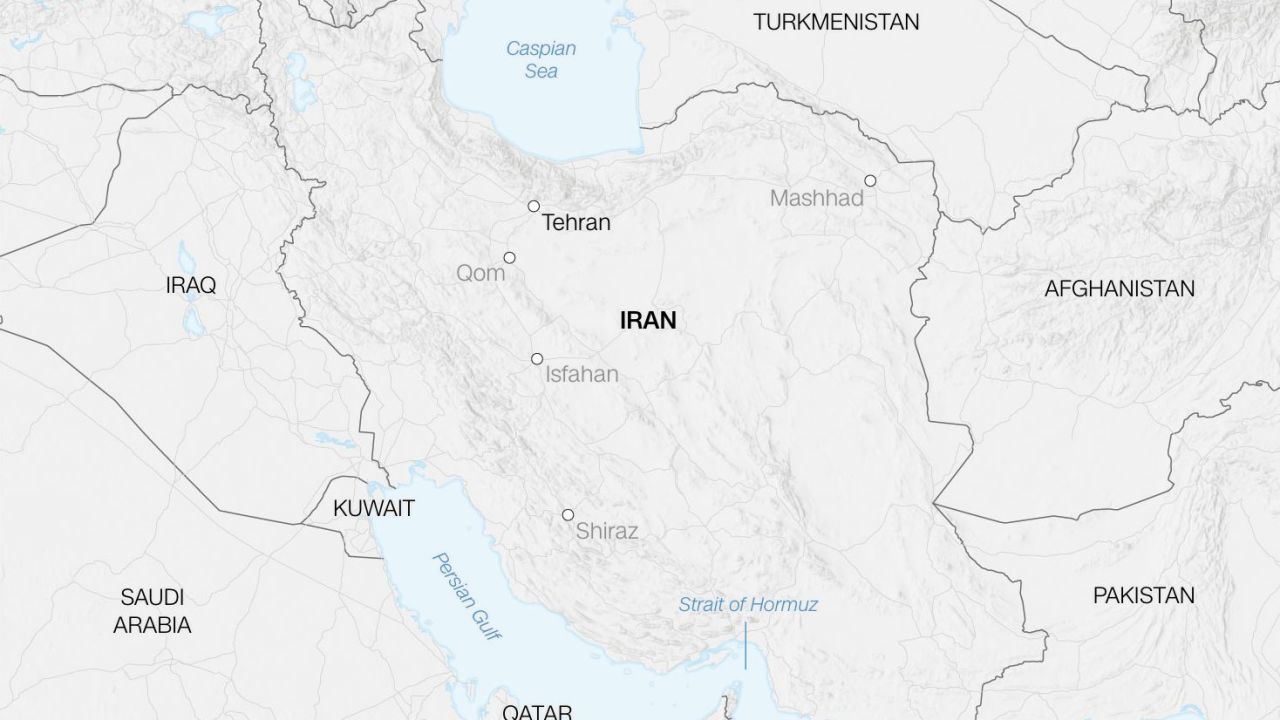
The most telling detail from this week's escalation isn't the bombs falling on Iranian nuclear facilities or Israel's coordinated strikes. It's what the U.S. military isn't saying about American casualties. "Retaliatory strikes from Iran have resulted in zero American casualties and minimal damage," reads the official Pentagon report following Iran's attacks on U.S. bases in Qatar and Iraq. That specific phrasing—zero casualties from Iranian retaliation—reveals just how close we've moved to a full-scale regional war.
When "Zero Casualties" Becomes the Most Dangerous Number
Military spokespeople choose their words with surgical precision. When they emphasize zero casualties specifically from Iranian retaliation, they're drawing a careful distinction. The Pentagon isn't saying zero American casualties, period. They're saying zero from Iran's counterstrike, which suggests American forces have taken losses elsewhere in this rapidly expanding conflict.
President Trump's announcement of "major combat operations" in Iran, combined with claims that Supreme Leader Ayatollah Ali Khamenei was killed in the joint U.S.-Israeli assault, marks the first direct American military engagement with Iran since the 1980s. The last time the U.S. conducted "major combat operations" was the 2003 invasion of Iraq.
Yet the military's silence on broader casualty figures speaks volumes. In previous conflicts, the Pentagon provided regular updates on American losses. The careful parsing of this language suggests they're managing information about a conflict that's spiraling beyond anyone's control.
Iran's immediate response—striking U.S. bases in both Qatar and Iraq—crossed red lines that have kept regional conflicts contained for decades. These weren't proxy attacks through militias. Iran directly targeted American forces on sovereign territory of U.S. allies.
The Pakistan-Afghanistan Powder Keg Nobody's Watching
While headlines focus on Iran, a potentially more destabilizing conflict has erupted between Pakistan and Afghanistan. Pakistan's Defense Minister Khwaja Asif described the situation as an "open war" following Taliban attacks on multiple Pakistani military posts along the Durand Line in October 2024.
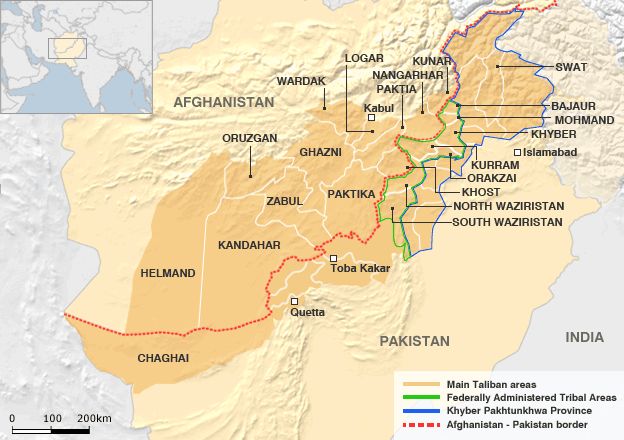
The December 2024 Pakistani airstrikes in Afghanistan's Khost and Paktika provinces, targeting Tehrik-e-Taliban Pakistan strongholds, represent the most significant military action between the two nations since 2001. Pakistan's fencing of the Durand Line—a border Afghanistan has never recognized—has become a physical manifestation of deteriorating relations.
This isn't a footnote to the Iran crisis. It's a separate nuclear-armed conflict that could force the U.S. to choose between Pakistan, a key ally in counterterrorism operations, and Afghanistan, where American interests remain tied to preventing terrorist resurgence. Pakistan possesses an estimated 170 nuclear warheads.
"These two sides are experiencing a complete breakdown in communication, with cross-border strikes becoming routine rather than exceptional."
Oil Markets React to What Politicians Won't Admit
Financial markets often provide more honest assessments than government statements. Oil prices initially spiked following news of the U.S.-Israeli assault on Iran, then dropped sharply when it became apparent Iran was avoiding closure of the Strait of Hormuz—for now.
Iran produces 4 percent of global oil supply, with most exports going to China due to existing sanctions. But the real market concern isn't Iranian production—it's the Strait of Hormuz, through which 21 percent of global petroleum liquids pass. Iranian Ambassador to India Iraj Elahi's warning that "Israel will face more harmful and painful consequences for striking Iranian oil sites" signals Iran's next escalation could target the global energy supply chain.
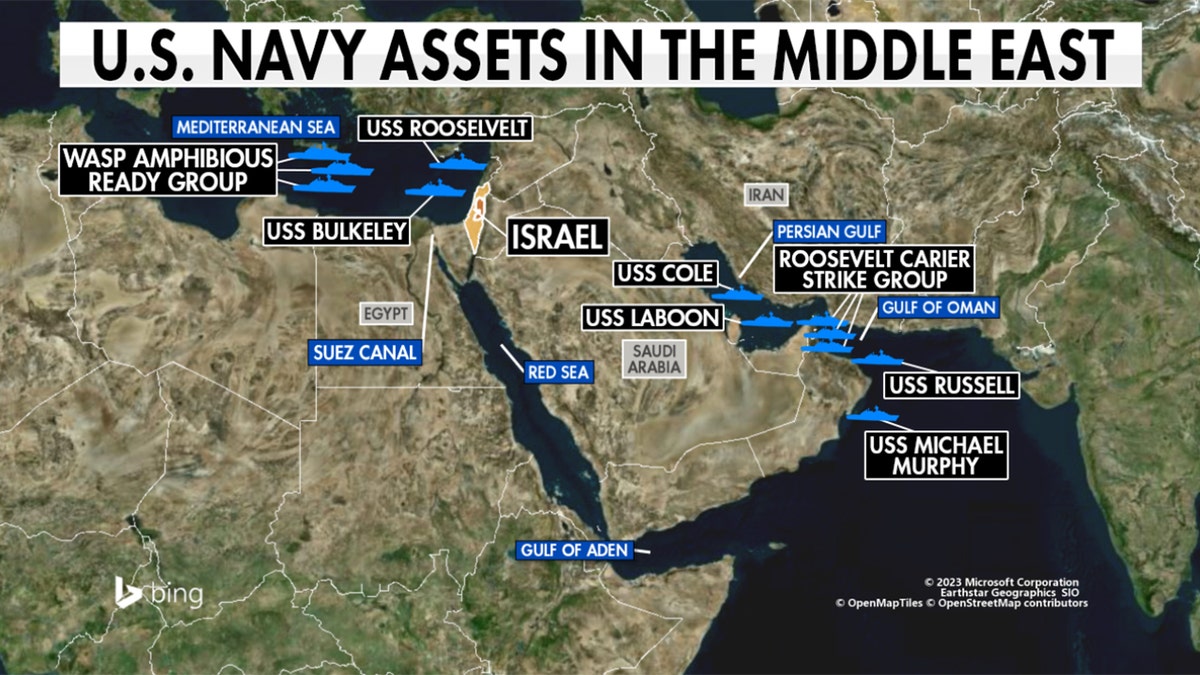
The U.S. has positioned substantial naval forces in the region precisely because military planners understand that Iran's most effective retaliation wouldn't be against military targets—it would be economic warfare through energy disruption. The temporary calming of oil markets reflects hope, not strategic reality.
Venezuela's review of 26 oil contracts granted before former leader Nicolas Maduro's arrest on January 3, 2025, adds another supply uncertainty to global markets already stressed by Middle Eastern instability.
The Embassy Evacuation Nobody Wants to Discuss
The February 2026 order for non-emergency personnel and eligible family members to depart the U.S. embassy in Beirut represents the most significant diplomatic evacuation from the region since the 2006 Israel-Hezbollah war. Embassy evacuations aren't precautionary measures—they're acknowledgments that diplomacy has failed and military escalation is inevitable.
The timing coincides with Israel's strikes on Iranian nuclear facilities and President Trump's declaration that Khamenei's death creates "the single greatest chance for the Iranian people to take back their Country." This isn't the language of limited military action. It's regime change rhetoric that historically precedes prolonged conflicts.
Hezbollah, Iran's most capable proxy force, possesses an estimated 100,000 rockets and missiles—more than most national militaries. The embassy evacuation suggests U.S. intelligence expects Hezbollah to enter the conflict directly, transforming what began as targeted strikes into a multi-front regional war.
"The February 2026 escalation between the United States and Iran represents a convergence of military brinkmanship, alliance politics, and deterrence signaling that could reshape the entire Middle East."
What Military Silence Actually Reveals
The Pentagon's careful language about Iranian retaliation causing "zero American casualties and minimal damage" is simultaneously reassuring and terrifying. It's reassuring because it suggests Iran is still attempting to calibrate its response to avoid full-scale war. It's terrifying because it implies American forces are taking casualties from other aspects of this expanding conflict.

Military censorship during active operations typically focuses on operational security—protecting ongoing missions and force locations. But the specific emphasis on Iranian retaliation casualties suggests broader information management about a conflict the public isn't fully seeing.
President Trump's statement that "bombs will be dropping everywhere" in his video message to Iranians indicates an operation far beyond surgical strikes. Combined with Israeli Prime Minister Benjamin Netanyahu's coordination announcement, this represents the most significant military collaboration between the two nations since Israel's founding.
The convergence of the Iran conflict with Pakistan-Afghanistan hostilities creates multiple scenarios where U.S. forces could face simultaneous pressures across different theaters. American military doctrine hasn't seriously contemplated fighting nuclear-armed Pakistan while managing regime change in Iran and containing regional proxy forces.
The Point of No Return
We've crossed into uncharted territory where regional conflicts threaten to merge into a broader confrontation involving nuclear-armed nations and critical global infrastructure. The military's careful parsing of casualty reports, embassy evacuations, and oil market volatility all point to the same conclusion: this is no longer a contained proxy war.
The silence on broader American casualties, combined with major combat operations against Iran and open warfare between Pakistan and Afghanistan, suggests military planners are managing multiple worst-case scenarios simultaneously. When the Pentagon starts emphasizing what didn't happen rather than what did, it's usually because what did happen is too sensitive for public consumption.
The next few weeks will determine whether diplomatic channels can contain these conflicts or whether we're witnessing the opening moves of a regional war that could reshape global military alliances, energy markets, and American foreign policy for decades. The military's silence isn't protecting operational security—it's protecting public confidence in a situation that may already be beyond diplomatic resolution.