Meta's $100 Billion AMD Deal Isn't About Growth, It's About Survival
The chip megadeal everyone thinks signals AI boom actually reveals an industry scrambling to control spiraling infrastructure costs
Meta just committed up to $100 billion to AMD for AI chips over five years. Headlines trumpet this as evidence of AI's unstoppable momentum. They're missing the real story.
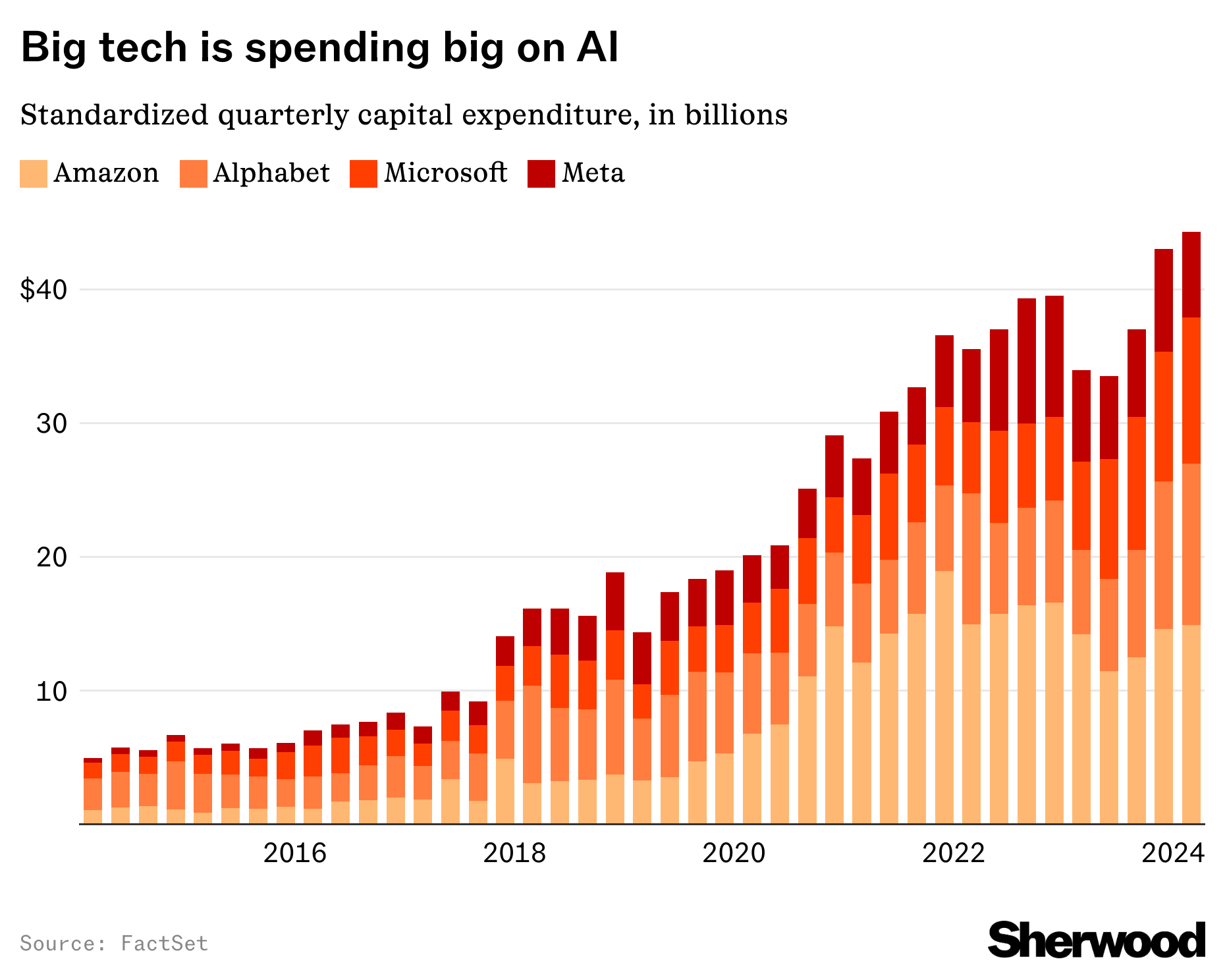
This isn't Meta betting on unlimited growth. It's Meta hedging against a market where single-supplier dependence has become existentially dangerous. The deal structure tells the real story: performance-based warrants for up to 10% of AMD, milestone-driven vesting, and diversification away from Nvidia's near-monopoly.
The AI infrastructure boom has created a brutal economic reality that few want to acknowledge.
The Numbers Don't Lie About Infrastructure Costs
McKinsey estimates companies will invest $7 trillion in global data center infrastructure by 2030. That's the combined GDP of Japan and Germany. A typical AI-focused data center consumes electricity equivalent to 100,000 households. The largest ones under construction will consume 20 times more.
Meta's deal with AMD follows immediately after committing to deploy millions of Nvidia GPUs. This isn't expansion for expansion's sake. It's recognition that current spending trajectories are unsustainable without dramatic cost reduction strategies.
The International Energy Agency reports that AI data centers are reshaping entire national power grids. Countries that can deliver energy at speed and scale will determine AI leadership, not just chip performance or algorithm sophistication.

Six gigawatts of computing power from the AMD deal represents more electricity than many small countries consume annually. These aren't just tech investments anymore. They're infrastructure commitments that reshape capital planning across entire corporate balance sheets.
The Nvidia Problem Nobody Wants to Discuss
Nvidia controls roughly 80% of the AI chip market. This concentration has created pricing power that's forcing even the largest tech companies to seek alternatives. Meta's AMD deal isn't about AMD's superior technology. It's about reducing dependence on a single supplier whose pricing reflects monopolistic advantage.
The performance-based warrant structure in Meta's AMD agreement is particularly telling. Meta gets up to 160 million AMD shares at $0.01 each, vesting only alongside specific milestones. This isn't standard supplier financing. It's Meta creating incentives for AMD to deliver competitive alternatives to Nvidia's offerings.
When your infrastructure spending approaches the GDP of major economies, supplier diversification becomes a survival strategy, not a procurement preference.
AMD's MI540 series GPUs, central to this deal, target specific workloads where Nvidia's premium pricing offers diminishing returns. The economics make sense only if companies can maintain AI capabilities while reducing per-unit compute costs.
Reality Check on AI ROI Expectations
Deloitte's 2025 Tech Value Survey reveals AI capturing growing shares of digital budgets while ROI remains difficult to measure. Companies are making infrastructure commitments based on projected returns that may not materialize at expected scales.
The rush to secure AI compute capacity has created a classic boom-cycle dynamic. Early movers gained competitive advantages, but late entrants face dramatically higher costs for similar capabilities. Meta's diversification strategy acknowledges this reality.
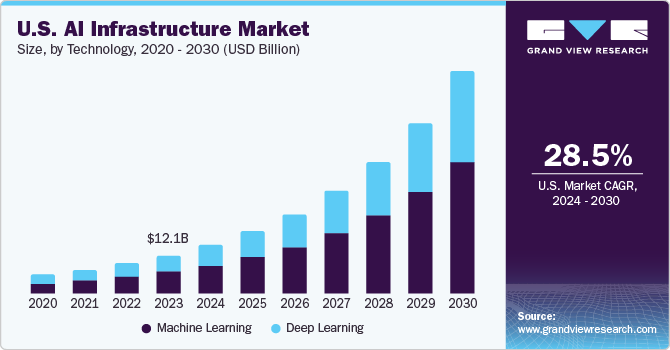
KKR analysis suggests AI infrastructure will compound long after current hype cycles end, but sustainability depends on bringing costs down to levels where ROI calculations make business sense rather than speculative sense.
Enterprise AI adoption accelerated throughout 2025, but mounting pressure on data center capacity and regional power availability is forcing companies to make infrastructure commitments that are harder to delay, resize, or unwind.
The Economics of Sustainable AI Infrastructure
Meta's dual-supplier strategy with both Nvidia and AMD signals recognition that current AI infrastructure economics are unsustainable at projected scale. The company is essentially creating internal competition between suppliers to drive down total cost of ownership.
Energy costs alone are reshaping AI development timelines. The IEA notes that affordable, reliable, and sustainable electricity supply will determine which countries and companies can scale AI effectively. This isn't just about chip performance anymore.
The five-year timeline in Meta's AMD deal reflects infrastructure planning horizons that extend far beyond typical technology refresh cycles. These commitments lock in cost structures that will determine competitive positioning through multiple AI development generations.
The companies that thrive in AI's next phase won't be those that spent the most on infrastructure, but those that built the most efficient infrastructure spending strategies.
What This Means for AI's Next Chapter
Meta's AMD megadeal represents a turning point where AI infrastructure strategy shifts from "spend whatever it takes" to "optimize for sustainable competitive advantage." The performance-based warrant structure creates aligned incentives for cost reduction and efficiency improvement.
Companies entering AI now face a different landscape than early movers. Infrastructure costs have reached levels where traditional ROI calculations apply, not just growth-at-any-cost speculation. This creates opportunities for more disciplined approaches to AI adoption.
The real winners in AI's next phase will be companies that can deliver comparable capabilities at dramatically lower infrastructure costs. Meta's diversification strategy positions it to benefit from supplier competition while reducing exposure to single-point-of-failure risks in its AI infrastructure stack.
For investors and business leaders, the lesson is clear: the era of unlimited AI infrastructure spending is ending. The companies that prepare for this reality now will be best positioned when the market inevitably demands sustainable economics alongside technological capability.