Why McDonald's Beat the Artisanal Food Movement
Restaurant chains discovered that Gen Z talks about authenticity but orders consistency.
While food bloggers spent the last five years preaching the gospel of small-batch everything, McDonald's quietly became Gen Z's favorite restaurant. The Golden Arches scored a commanding 21.6 in YouGov's 2024 consumer preference survey, nearly double Chick-fil-A's 13.0 and crushing every farm-to-table darling in sight.
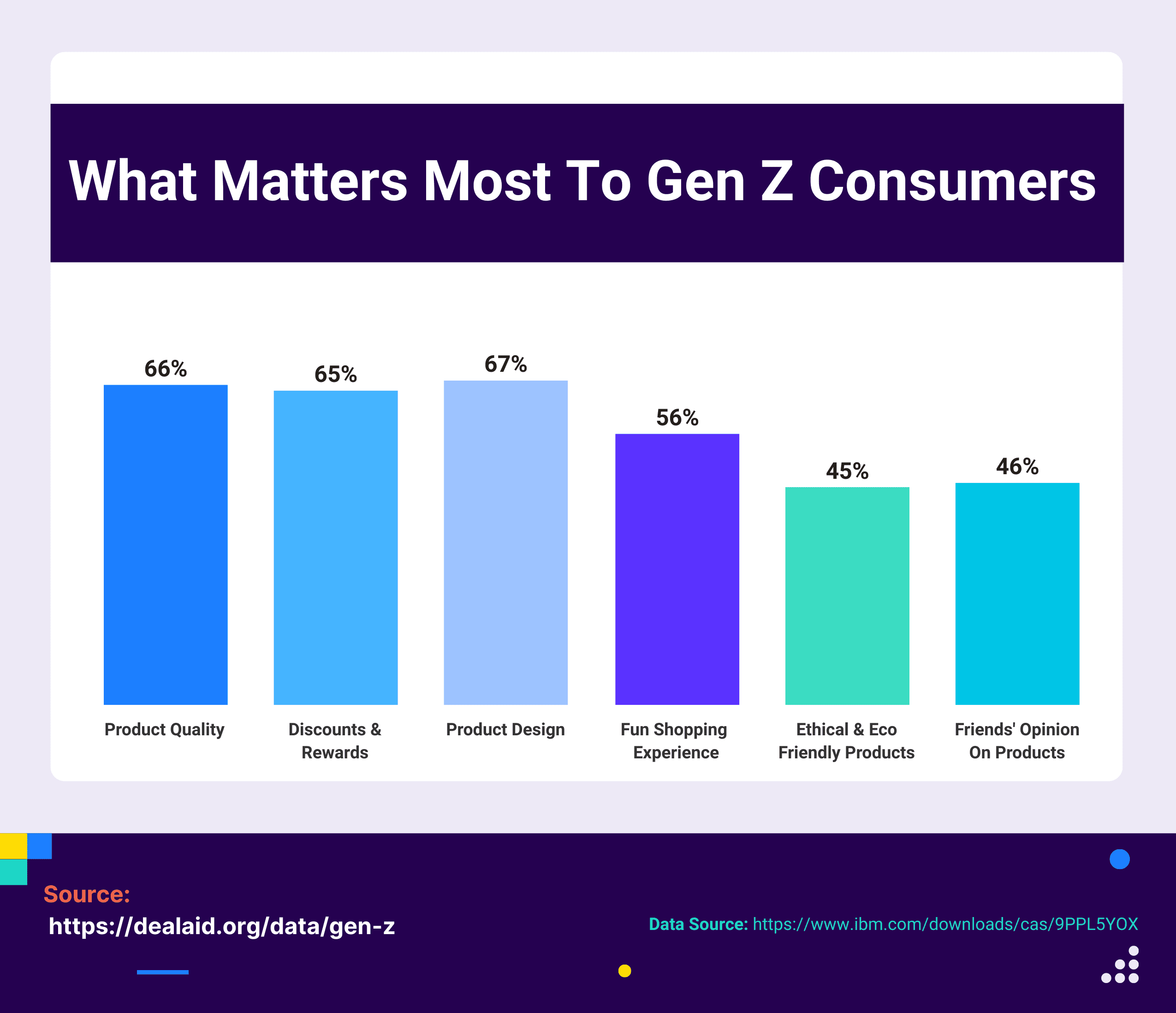
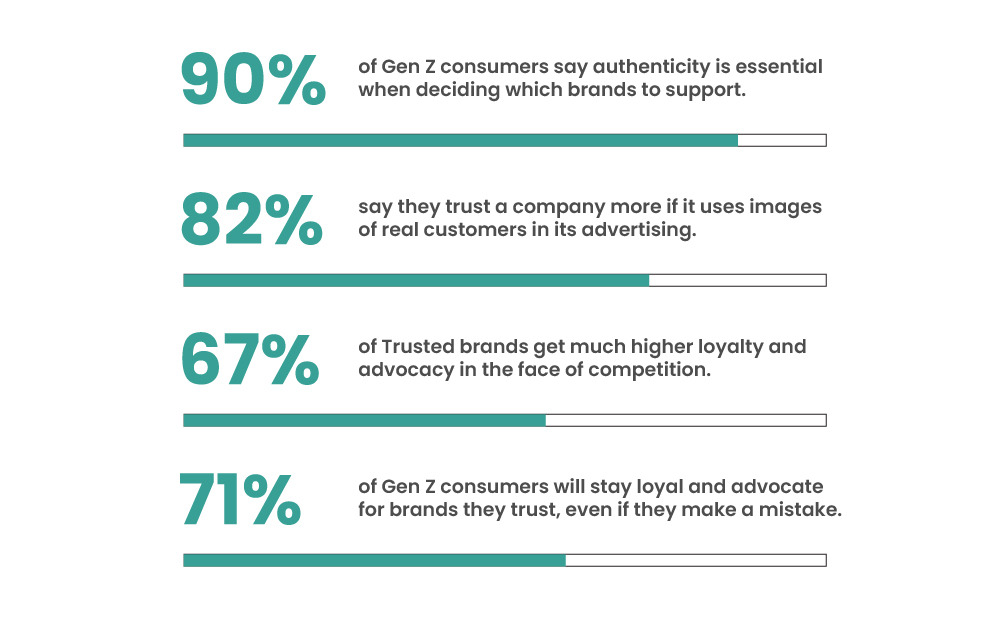
This isn't supposed to happen. Gen Z, we're told, can "smell a fake brand from a mile away" and demands authenticity above all else. They're the generation that will pay extra for organic, local, and sustainable. They want brands that share their values and tell meaningful stories.
The data tells a different story entirely.
The Great Authenticity Paradox
Chipotle built an empire on the authenticity narrative. "Food with Integrity" became their battle cry, promising responsibly sourced ingredients and transparent supply chains. They positioned themselves as the anti-McDonald's, the place where conscious consumers could eat without compromise.
For years, it worked brilliantly. Chipotle's stock soared as millennials flocked to their bowls and burritos, willing to pay premium prices for the promise of better ingredients and ethical sourcing.
But something shifted in 2024. Chipotle reported its fourth consecutive quarter of declining foot traffic, with same-store sales growth slowing dramatically. Meanwhile, McDonald's, KFC, and Taco Bell - the supposed villains of the authenticity movement - continued gaining ground with the very generation that should have rejected them.
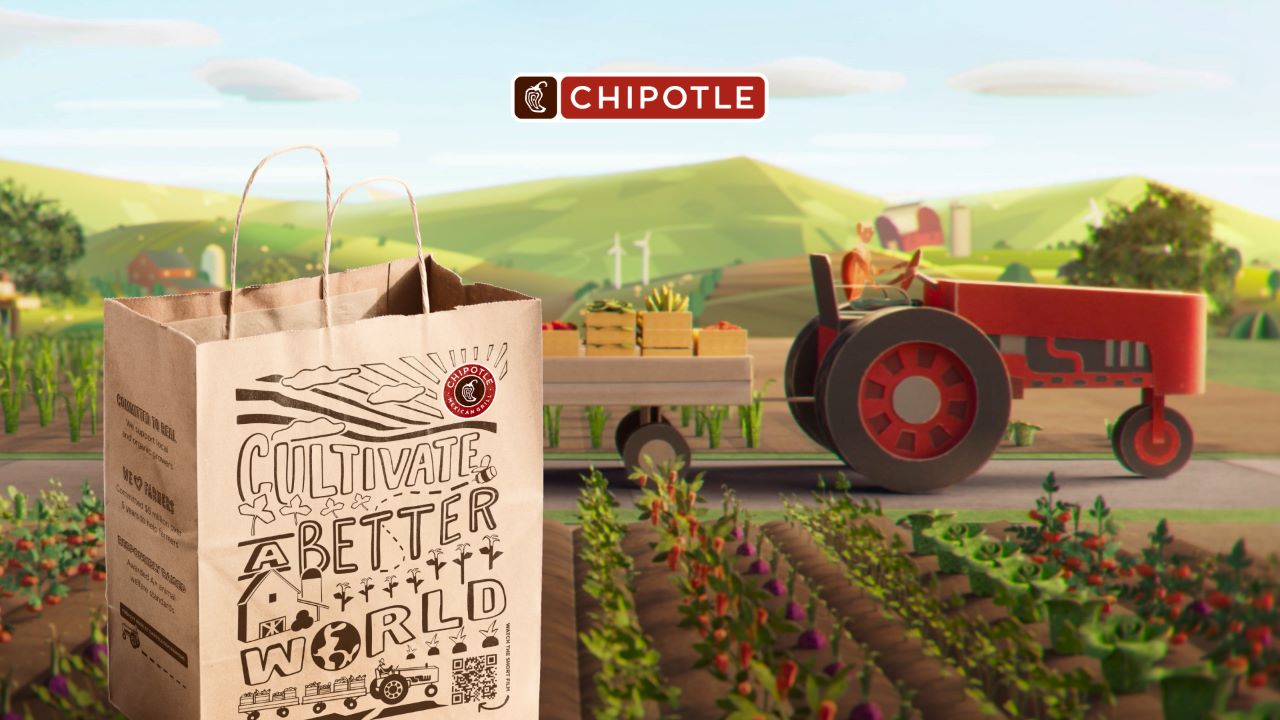
The farming community saw this coming. Agricultural stakeholders have long criticized Chipotle's marketing as misleading, arguing that the company's sustainability claims created unnecessary fear around conventional farming practices. The backlash was swift and vocal, but Chipotle doubled down on their messaging.
Now the chickens are coming home to roost, so to speak.
What Gen Z Actually Wants
The disconnect between Gen Z's stated preferences and their actual behavior reveals something crucial about modern consumer psychology. Yes, 84% of Gen Z try social media food trends. Yes, they care more about restaurants supporting their social causes than older generations do. But when it comes to regular dining decisions, they want something simpler.
They want consistency.
In restaurants, consistency builds loyal guests more effectively than any authenticity campaign ever could.
McDonald's understands this in a way that many "authentic" brands don't. A Big Mac tastes the same whether you order it in Manhattan or Montana. The service is predictable. The prices are clear. There are no surprises, no variations in portion size, no supply chain disruptions that suddenly remove your favorite menu item.
This reliability has become increasingly valuable in an era of inflation and economic uncertainty. While Chipotle raised prices to maintain margins on their premium ingredients, McDonald's focused on value and consistency. Fast-food chains raised prices an average of 4% in 2024, but they paired those increases with improved value offerings and reliable quality.
The Limits of the Farm-to-Table Narrative
Chipotle's traffic decline exposes the fundamental limitation of positioning your brand around agricultural virtue signaling. The company's "Farmed and Dangerous" campaign and consistent messaging about the evils of conventional farming created a brand identity that was inherently fragile.
When you build your brand on being the "good guys" in a complex system, you open yourself up to scrutiny that purely functional brands avoid. McDonald's never claimed to be saving the world. They just promised fast, consistent food at predictable prices.
The agricultural community's criticism of Chipotle wasn't just about hurt feelings. It highlighted how the company's marketing created unrealistic expectations about food production that ultimately couldn't be sustained at scale. When supply chain issues forced Chipotle to source from the same industrial suppliers they had previously criticized, the cognitive dissonance became harder to ignore.
Meanwhile, chains like Chili's demonstrated how to combine social media savvy with operational excellence. They focused on improving their ambiance and creating shareable moments while maintaining the consistency that keeps customers coming back. The result was significant growth driven by both buzz and reliability.
The New Rules of Restaurant Success
The most successful restaurant chains today understand that Gen Z's relationship with authenticity is more complicated than food industry consultants suggested. While younger consumers do care about social causes and ethical sourcing, they also live in a world where convenience, consistency, and value matter enormously.
Only 5% of guests over 44 find it extremely important that their favorite restaurant supports the same social causes as them, compared to more than twice that percentage among Gen Z and millennials. But this doesn't translate into sustainable competitive advantage if the food experience itself is inconsistent or overpriced.

The winners are finding ways to acknowledge Gen Z's values without making those values the entire brand proposition. They're creating Instagram-worthy moments while ensuring the basics - food quality, service speed, price predictability - never waver.
Unique concepts like breweries, gourmet markets, and wineries are indeed growing among younger demographics. But these represent experiential dining, not everyday meal solutions. When Gen Z needs lunch on a Tuesday, they increasingly choose reliability over righteousness.
Beyond the Authenticity Arms Race
The great irony of the restaurant authenticity wars is that the most authentic thing a restaurant can do is consistently deliver what it promises. McDonald's has never pretended to be anything other than fast, affordable, and predictable. That honesty, it turns out, resonates more than elaborate stories about supply chain virtue.
This doesn't mean values-driven marketing is dead. It means the values that actually matter to daily dining decisions - reliability, value, convenience - may be more important than the values that sound good in focus groups.
The restaurants winning with Gen Z aren't necessarily those with the biggest sustainability stories. They're the ones creating authentic connections through consistent experiences.
Chipotle's current struggles don't invalidate the desire for better food systems or more ethical sourcing. But they do reveal the limits of building a mass-market restaurant brand primarily around those concepts. When operational excellence falters, even the most compelling authenticity narrative can't save you.
The path forward isn't to abandon values entirely but to recognize that in the restaurant business, the most important value is keeping your promises. Whether that's a perfectly predictable Big Mac or a consistently delicious burrito bowl, execution beats aspiration every time.
Gen Z can indeed smell a fake brand from a mile away. They just define "fake" differently than many marketers assumed. A brand that promises authentic ingredients but delivers inconsistent portions feels faker than a brand that promises simple convenience and actually delivers it.