The MAHA Meltdown: How RFK Jr.'s Pesticide Flip Revealed the 'Real Food' Movement's Fatal Flaw
From winning $289 million against Monsanto to defending glyphosate production—Kennedy's reversal exposes what happens when idealism meets political reality.
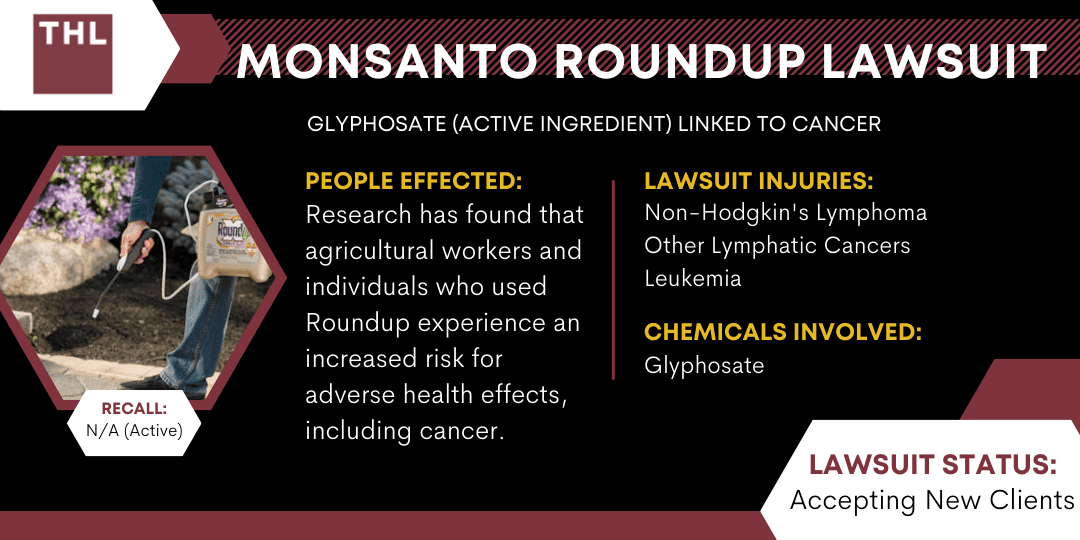
Less than a decade ago, Robert F. Kennedy Jr. stood in a California courtroom as his legal team secured a landmark $289 million verdict against Monsanto, the chemical giant behind Roundup weedkiller. The victory represented the culmination of years spent crusading against glyphosate, the herbicide's active ingredient that Kennedy called "toxic by design." Today, as Secretary of Health and Human Services, he's defending President Trump's executive order to ramp up domestic production of that same chemical.
The whiplash has been immediate and brutal. "Not a single thing has been done by the EPA to reduce our children's and families exposure to pesticides," Zen Honeycutt, founder of Moms Across America, fired back at Kennedy's social media defense of the order. Fitness guru Jillian Michaels called the reversal "devastating." The Make America Healthy Again movement that helped propel Trump to victory is now eating its own.
But Kennedy's pesticide pivot isn't just political opportunism. It's a master class in how corporate interests reshape health policy when ideology crashes into economic reality.
The Environmental Warrior's Greatest Hits
To understand the scale of Kennedy's reversal, you need to grasp the depth of his former commitment. As an environmental lawyer, Kennedy didn't just oppose glyphosate—he built a career dismantling the regulatory capture between chemical companies and government agencies. His legal work helped expose how Monsanto allegedly ghost-wrote supposedly independent research while suppressing studies linking glyphosate to cancer.
The Roundup litigation wasn't a one-off. Kennedy's firm represented thousands of plaintiffs claiming the herbicide caused their non-Hodgkin's lymphoma. The $289 million verdict in 2018 was just the beginning—subsequent cases awarded even larger damages, creating a legal avalanche that ultimately cost Bayer (which acquired Monsanto) over $10 billion in settlements.
Kennedy's opposition wasn't limited to courtrooms. On Joe Rogan's podcast, he detailed how chemical companies manipulated research and captured regulatory agencies. He spoke passionately about protecting children from pesticide exposure, framing the issue as a matter of generational justice.
That Kennedy is gone. In his place stands a health secretary defending an executive order that invokes the Defense Production Act to compel domestic production of glyphosate-based herbicides.
The National Security Smokescreen
Kennedy's defense of Trump's order reveals the sophisticated rhetorical gymnastics required to abandon decades of advocacy. In a lengthy social media statement, he acknowledged that pesticides are "toxic by design" but framed increased domestic production as necessary for "agricultural stability and national security."
The national security angle isn't entirely fabricated. Trump's executive order targets both glyphosate and elemental phosphorus, arguing that domestic production capabilities are essential for both agriculture and defense. The administration points to supply chain vulnerabilities exposed during the pandemic and geopolitical tensions with China, which dominates global phosphorus production.
"If anyone still wondered whether 'Make America Healthy Again' was a genuine commitment to public health or a scam concocted by President Trump and RFK Jr. to rally health-conscious voters in 2024, the administration's ramping up of glyphosate production provides a definitive answer."
But the Environmental Working Group isn't buying it. Their statement calling Kennedy's reversal a betrayal cuts to the heart of the contradiction: How can you simultaneously claim to champion public health while boosting production of chemicals you've spent decades fighting?
The answer lies in understanding how political appointments transform even the most committed ideologues. Kennedy isn't just representing his own views anymore—he's implementing Trump administration policy. The question is whether his supporters will accept this fundamental shift.
When the MAHA Movement Meets Reality
The backlash from Kennedy's own supporters reveals the brittle nature of populist health movements. The Make America Healthy Again coalition that formed around Kennedy's appointment represented a rare bipartisan moment—progressive mothers concerned about food additives found common cause with conservative parents worried about vaccine mandates.
But political coalitions built on shared enemies rather than shared values inevitably fracture when faced with complex tradeoffs. The MAHA movement's core assumption was that Kennedy could maintain his environmental purity while serving in a Trump administration that prioritizes energy production and deregulation.
The glyphosate order shattered that illusion. Veterans of the public health movement like the EWG's leadership never believed Kennedy would be "the force for change that his supporters expected," and they're now saying "I told you so" with particular satisfaction.
What's particularly striking is how quickly the movement's rhetoric has shifted from celebration to condemnation. Zen Honeycutt's response to Kennedy's defense wasn't just disappointment—it was the language of betrayal. When your political hero starts defending the very chemicals they built their reputation opposing, the cognitive dissonance becomes unbearable.
The Corporate Capture Playbook
Kennedy's reversal follows a predictable pattern that he once expertly diagnosed in others. Environmental lawyers turned government officials often find themselves defending policies they previously opposed, not because they've changed their minds about the science, but because they've accepted new institutional priorities.
The transformation is subtle but decisive. Kennedy still acknowledges that pesticides are "toxic by design," but he now frames that toxicity as an acceptable tradeoff for agricultural productivity and national security. It's the same utilitarian calculus that chemical industry executives have used for decades.
This isn't necessarily corruption in the traditional sense. Kennedy likely believes he's making difficult but necessary compromises to serve broader national interests. But the result is indistinguishable from what critics call "regulatory capture"—the process by which agencies meant to regulate industries end up serving their interests instead.
The irony is that Kennedy built his environmental reputation by exposing exactly this dynamic. His legal work revealed how Monsanto influenced EPA scientists and how industry-funded research shaped regulatory decisions. Now he's become part of the very system he once fought.
The Real Cost of Political Compromise
Kennedy's pesticide flip matters because it reveals the fundamental tension between ideological purity and political effectiveness. Environmental advocates face a choice: maintain their principles and remain outside the system, or accept compromises that allow them to shape policy from within.
Kennedy chose influence over ideology, but the cost has been immediate and visible. His credibility with the environmental movement is shattered, and his ability to mobilize health-conscious voters for future Trump initiatives is severely compromised.

The broader lesson extends beyond Kennedy to the entire populist health movement. When anti-establishment figures become part of the establishment, they inevitably face pressure to moderate their positions. The question is whether their supporters will accept this evolution or abandon them for more ideologically pure alternatives.
Early signs suggest the latter. The MAHA movement's online spaces are now filled with former supporters expressing betrayal and disillusionment. Some are calling for Kennedy's resignation, while others are questioning whether the entire "Make America Healthy Again" message was ever genuine.
Kennedy's defenders argue that perfect shouldn't be the enemy of good—that incremental progress on food additives and vaccine safety outweighs compromises on pesticide policy.
But this misses the deeper issue. Kennedy's reversal on glyphosate isn't just about one chemical—it's about whether principled opposition to corporate power can survive contact with political reality. The answer, at least in this case, appears to be no.
What Comes Next
Kennedy's glyphosate flip won't be his last controversial decision. As Health Secretary, he'll face constant pressure to balance environmental idealism against agricultural interests, public health concerns against economic priorities. Each compromise will further distance him from his environmental base while potentially strengthening his position within the Trump administration.
The real test will be whether Kennedy can deliver meaningful wins on issues like food additives and chronic disease that justify his supporters' continued faith. If he can ban harmful chemicals in processed foods or reform agricultural subsidies, some may forgive his pesticide apostasy.
But the trust, once broken, will be difficult to repair. Kennedy's environmental credibility was his primary political asset—the foundation of his ability to speak truth to corporate power. By defending glyphosate production, he's traded that asset for administrative influence.
Whether that trade proves worthwhile will depend on what Kennedy does with his remaining political capital. For now, the Make America Healthy Again movement is learning a hard lesson about the difference between campaign promises and governing reality. And Kennedy is discovering that sometimes the price of power is everything you once stood for.