How Logan's Cucumber Salad Conquered America's Dinner Tables
The simple TikTok recipe that moved grocery store sales and changed how we think about viral food trends.
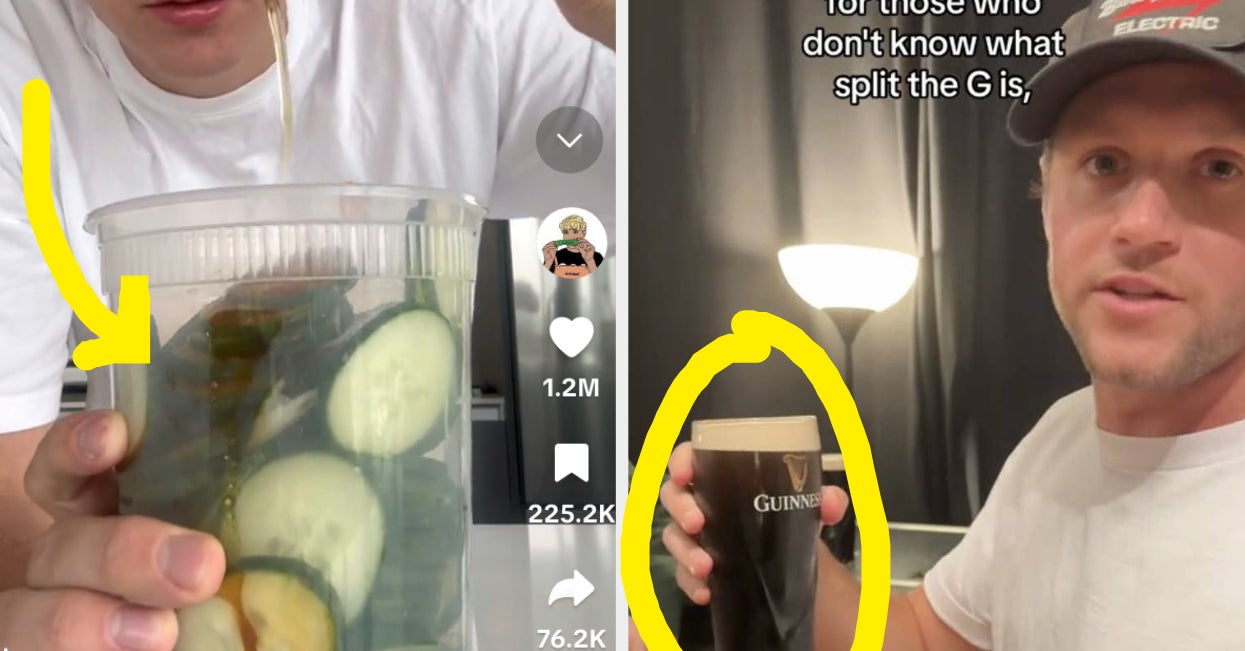
A 20-something creator named Logan posted a 30-second video of himself slicing cucumbers, adding soy sauce and garlic, and calling it "the most refreshing summer side dish." Within weeks, grocery stores across America reported cucumber shortages. His simple recipe didn't just go viral—it moved actual products off actual shelves, marking the first time TikTok food content measurably shifted consumer purchasing patterns in 2024.

This isn't your typical food fad story. While previous viral food moments stayed contained within social media bubbles, Logan's cucumber trend and others like it in 2024 crossed into mainstream grocery data. Fast Company's year-end analysis revealed something unprecedented: TikTok food trends actually influenced retail sales for the first time at scale.
The Cucumber Effect: When Viral Becomes Visceral
Logan's cucumber recipe epitomizes what food industry analysts are calling "authentic simplicity." Unlike elaborate food hacks that require specialty ingredients, his umami-forward cucumber salad uses five ingredients most people already own. The recipe's accessibility made it infinitely shareable—not just as content, but as actual dinner preparation.
The impact was immediate and measurable. Grocery chains reported cucumber sales spikes of 15-20% in markets where the video gained traction. More telling: soy sauce and rice vinegar sales followed similar patterns, indicating viewers weren't just watching—they were cooking.
"This year's food trends were different because they weren't just about spectacle. People actually made them," notes BuzzFeed's food trend analysis of 2024.
The cucumber phenomenon reveals something deeper about how social media has evolved food culture. Previous viral foods often required performance—think elaborate cheese pulls or towering burger constructions designed for cameras first, consumption second. Logan's cucumber salad succeeds because it solves a real problem: what to make when it's hot and you want something fresh.

The Science of Stickiness: Why Some Trends Last
Food fads typically follow a predictable pattern: explosive growth, celebrity co-signing, corporate capitalizing, and quick death. But data from 2024 suggests certain TikTok food trends broke this cycle by emphasizing practicality over performance.
Dense bean salad, another 2024 standout, followed similar principles. The trend encouraged viewers to combine whatever canned beans they had with simple vinaigrette and fresh herbs. No exotic ingredients, no complicated techniques, no expensive equipment. Just real food that real families could realistically make on weeknight.
Grocery analytics firm Tubefilter tracked three key indicators that separated lasting trends from fleeting fads in 2024. First, ingredient accessibility—trends that required specialty items rarely sustained beyond initial viral burst. Second, preparation simplicity—recipes requiring more than 10 minutes or special techniques typically died within weeks. Third, repeat factor—dishes people made multiple times generated the most sustained sales impact.
The cucumber trend scored perfectly on all three metrics. Every ingredient was available at standard grocery stores, preparation took under five minutes, and comment sections filled with variations and repeat attempts.
Algorithm Appetites: How Platforms Push Food Choices
TikTok's algorithm doesn't just surface content—it shapes consumption patterns. The platform's recommendation engine prioritizes content that generates engagement, which in food means recipes that look achievable, taste accessible, and photograph well. This creates a feedback loop where practical, photogenic dishes get amplified while complex or unattractive foods get buried.

The Joan Ganz Cooney Center's research on family food decisions found that 73% of parents reported trying recipes they first saw on social media in 2024, up from 31% in 2022. More concerning: 68% of teens said TikTok influenced their food preferences more than family recommendations.
This algorithmic influence extends beyond individual recipes to broader dietary patterns. When cucumber content dominated feeds, related "healthy Asian-inspired" recipes also gained traction. When dense bean salad peaked, legume-based content surged. The platform doesn't just promote individual dishes—it cultivates entire flavor profiles and cooking philosophies.
"Kids today don't just learn about food at the dinner table. They learn from algorithms that prioritize engagement over nutrition," warns the California Partners Project's family nutrition guide.
The Restaurant Response: When Menus Follow Memes
Restaurants in 2024 began tracking TikTok trends as seriously as traditional food industry reports. Chipotle added "cucumber sides" to select locations after the Logan trend peaked. Several fast-casual chains introduced "dense salad" options directly referencing viral terminology.
This represents a fundamental shift in how food businesses approach menu development. Previously, restaurants would test new items through focus groups and market research over months or years. Now, some establishments add viral-inspired dishes within weeks of trend emergence, betting on sustained social media interest to drive sales.
The speed creates both opportunity and risk. Restaurants that quickly capitalize on trends can attract new customers and generate social media content from diners sharing their "IRL TikTok food" experiences. But trends that die quickly can leave establishments stuck with ingredients and marketing for dishes nobody wants.
Fast Company's analysis found that restaurants saw 12-15% sales increases for viral-inspired menu items in their first month, but 60% of these items were removed within three months as trend interest waned.
What Makes This Time Different
Previous viral food moments—think rainbow bagels or cronut hybrids—succeeded through novelty and scarcity. They required special trips to specific locations or unusual ingredients. The 2024 TikTok food trends succeeded through the opposite: ubiquity and simplicity.
Logan's cucumber recipe works because it solves real problems. It's healthy without being preachy, quick without sacrificing flavor, and Instagram-worthy without requiring professional photography skills. Most importantly, it tastes better than it looks complicated.
This practicality factor explains why cucumber content sustained through multiple seasons while other trends peaked and crashed within weeks. People kept making variations, sharing improvements, and incorporating the basic technique into their regular rotation. It became less viral content and more cooking knowledge.
The broader implications extend beyond individual recipes. TikTok's influence on family dining represents a generational shift where social media platforms directly compete with traditional sources of culinary knowledge. Parents increasingly find themselves learning cooking techniques from their teenagers, who learned them from creators they'll never meet.
The Future of Viral Dining
The success of practical, accessible trends in 2024 suggests a maturation in how social media influences food culture. Rather than prioritizing spectacle over substance, successful viral foods now emphasize real-world applicability and genuine flavor improvement.
This evolution benefits both creators and consumers. Creators who focus on genuinely useful content build more sustainable audiences than those chasing momentary shock value. Consumers get access to a wider range of cooking techniques and flavor combinations than traditional media typically provided.
The challenge moving forward involves maintaining this balance between entertainment and utility. As more creators recognize the power of practical content, the space risks becoming saturated with similar "simple and fresh" recipes. The most successful future trends will likely combine accessibility with genuine innovation—teaching viewers not just what to make, but how to think about ingredients and techniques.
"The difference between a fad and a trend is whether it solves a real problem or just creates content," explains one food industry analyst tracking social media's impact on dining habits.
Logan's cucumber salad succeeded because it solved multiple problems: what to do with abundant summer produce, how to add umami flavor without complex ingredients, and how to make something that looks as good as it tastes. Future viral foods that achieve similar multi-problem solving will likely achieve similar staying power.
The real test isn't whether a recipe goes viral—it's whether families are still making it six months later, when the algorithm has moved on to the next trend.