When Iguanas Become Your Last Resort: The Viral Marketing Trap That's Killing American Restaurants
A Florida pizza shop's reptilian topping reveals the desperate lengths restaurants will go to survive in the TikTok era.
A Florida pizzeria recently made headlines by serving iguana-topped pizza to horrified customers and delighted TikTokers. While the internet debated the ethics of eating reptiles, a more pressing question emerged: when did restaurants start believing that shocking people was easier than feeding them well?
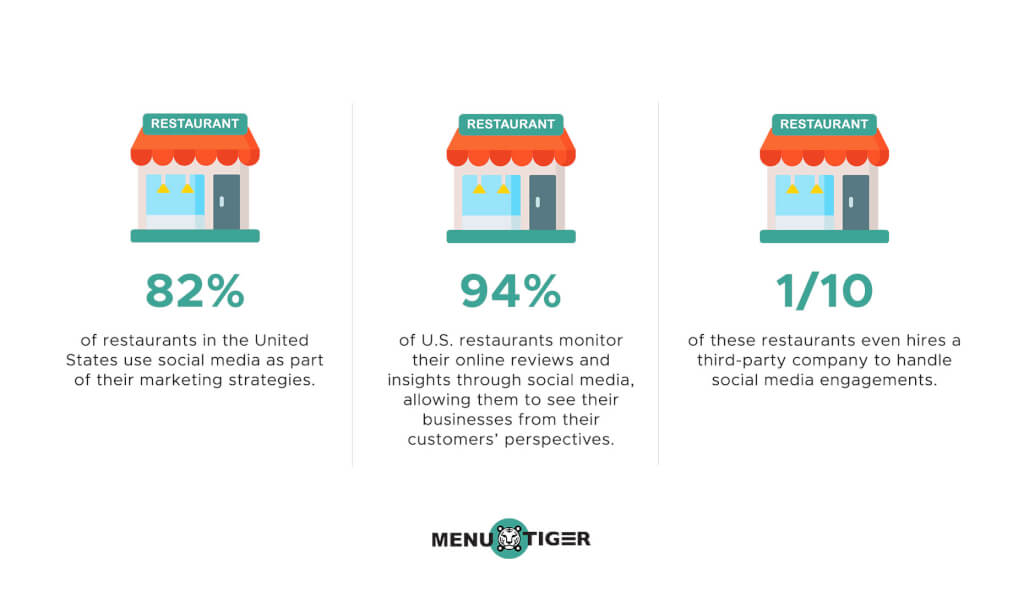
The iguana pizza isn't an isolated incident. It's a symptom of an industry in freefall, where more than 9,500 independent restaurants closed in 2025 alone, representing a 2.3% decline in the sector. With 90% of operators feeling the squeeze from inflation hitting food costs, labor, and insurance, traditional restaurant marketing is dead. Quality ingredients and word-of-mouth reputation have been replaced by whatever gets the most views.
This is the new restaurant survival playbook: go viral or go home.
The Numbers Behind the Desperation
The restaurant industry's viral obsession isn't driven by creativity. It's driven by mathematics that would make any small business owner break out in cold sweats. Independent restaurants are hemorrhaging locations at an unprecedented rate while chain restaurants grew by 1.4% in the same period, creating a clear divide between those with marketing budgets and those scrambling for scraps of attention.
Customer acquisition costs now range from $27 to $83 per guest, depending on the market and method. For a small pizzeria already struggling with food costs that have increased by double digits, spending $50 to attract someone who might order a $15 pizza once makes traditional advertising financially suicidal. But a single viral TikTok video costs nothing to create and can reach millions.
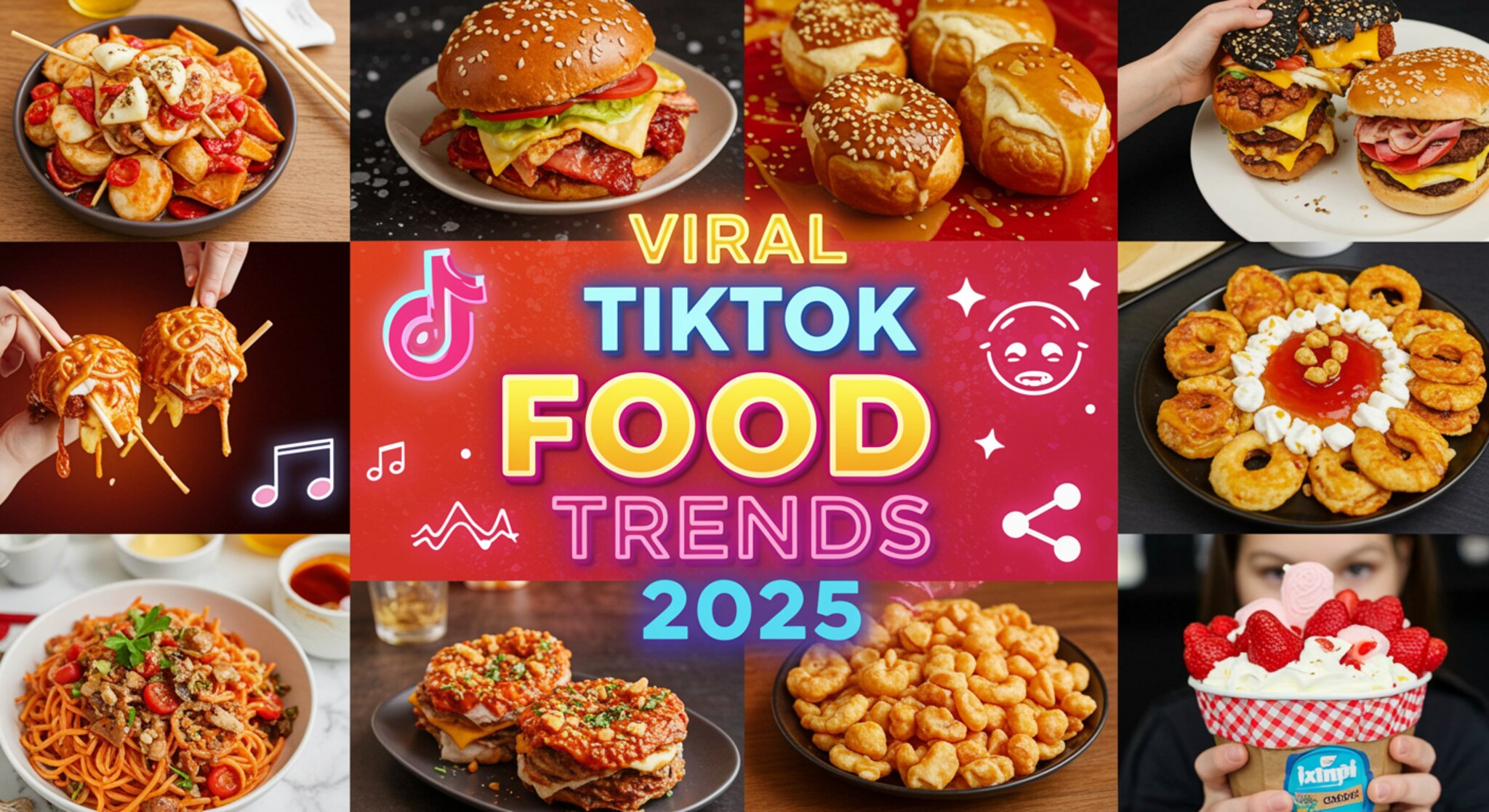
The social media payoff can be extraordinary. Restaurants report an average 9.9% increase in business-to-consumer revenue directly attributed to social media strategies. When you're operating on razor-thin margins, that difference often determines whether you pay rent next month.
But here's the catch: 90% of restaurants say social media is extremely important to their marketing, yet most have no idea how to create content that actually converts views into customers.
The Shock Value Trap
The iguana pizza represents everything wrong with shock-value marketing in the restaurant space. It gets attention, certainly. But what kind of attention, and from whom?
Shock marketing works best for consumer-facing brands with broad appeal and deep pockets to sustain long-term campaigns. Restaurants operate under completely different constraints. They serve local communities, depend on repeat customers, and live or die by word-of-mouth reputation. A viral moment that attracts curiosity seekers from three states away doesn't help if those people never return and your regular customers are horrified.
The brands most likely to succeed with shock value are those that understand their existing audience first, then calculate whether the viral moment will strengthen or weaken those core relationships.
Most restaurants get this backwards. They chase the viral moment without considering the aftermath. The Florida pizza shop might have gained thousands of followers, but did they gain customers who will return next week? Did they alienate their base who just wanted good pizza without reptiles?
The restaurant industry's retention data tells a sobering story. A 5% increase in customer retention can boost profits by 25% to 95%, with repeat guests spending 67% more per order than first-time visitors. Shock marketing optimizes for the wrong metric: one-time curiosity rather than long-term loyalty.
What TikTok Actually Rewards (And What Restaurants Miss)
TikTok has become a real-time research and development engine for the food industry, but most restaurants misunderstand what makes content viral. They think it's about being outrageous. In reality, TikTok rewards authenticity, personality, and genuine value.
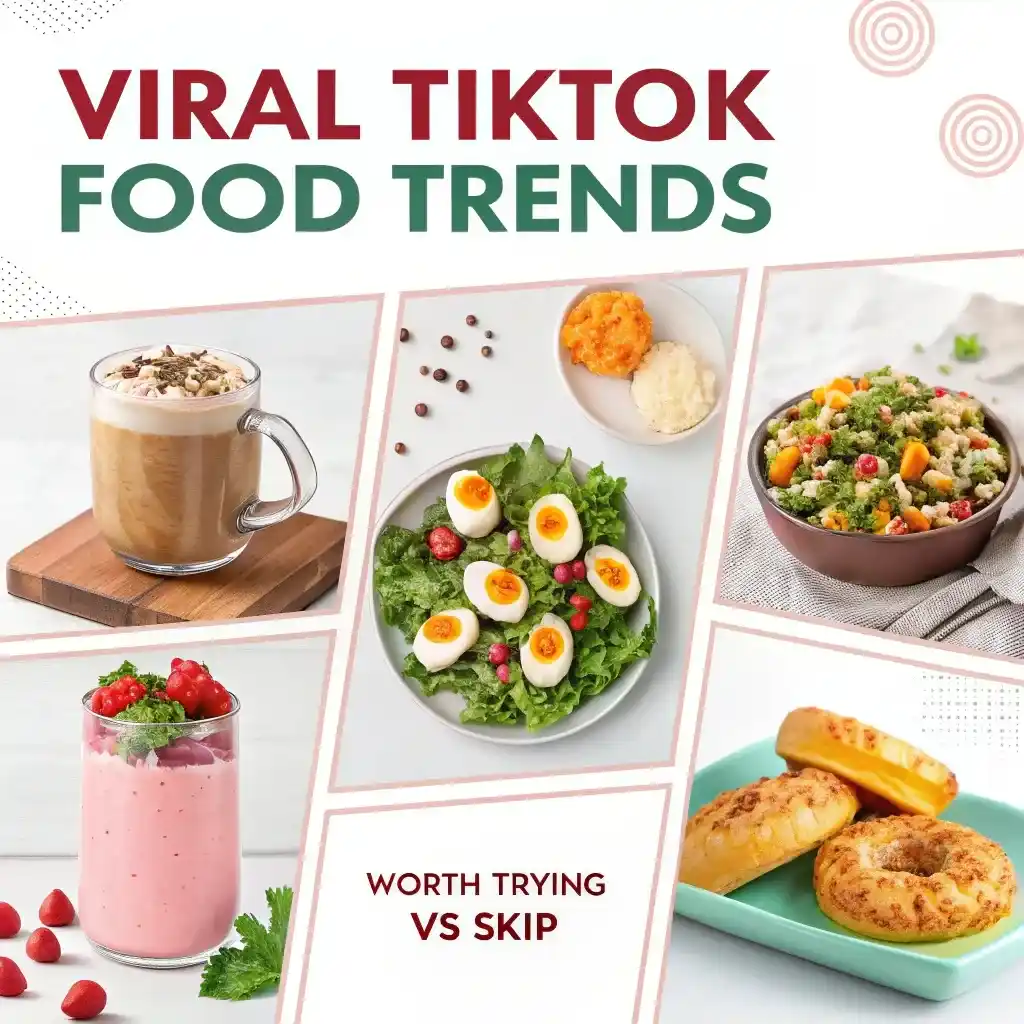
The most successful restaurant TikToks aren't shock value stunts. They're behind-the-scenes kitchen videos, chefs explaining techniques, or showcasing genuinely innovative dishes that people actually want to eat. Denny's Social Stars Influenced Menu succeeded because it collaborated with creators to develop appealing food, not because it served something nobody wanted.
Viral food content influences what millions want to see on menus and in stores, but the influence flows toward quality and creativity, not shock. The pasta chip trend didn't succeed because it was gross. It succeeded because it was delicious and shareable.
Restaurants chasing viral moments miss this fundamental point: social media amplifies what's already good, but it can't make bad food appealing long-term. The iguana pizza might get views, but it won't get repeat customers.
The Alternative Path: Building Real Community
While desperate restaurants chase viral moments, successful ones are building genuine communities around quality and personality. They're using social media as a tool to showcase their existing strengths rather than manufacture fake controversy.
Long John Silver's Seacret Society, Chipotle Rewards, and Texas Roadhouse's VIP Club demonstrate how restaurants can use digital platforms to enhance what they already do well: feed people consistently good food and make them feel valued. These programs drive customer retention while building brand affinity, creating sustainable growth rather than fleeting attention.
The most successful restaurant social media strategies layer authentic content across multiple channels. They show the food preparation process, introduce staff members, respond to customer feedback, and create content that makes viewers hungry rather than horrified.
These restaurants understand that positioning keeps you alive while food keeps people happy. Before investing in shock value campaigns, they invest time in understanding their core audience and what those customers actually want to see.
The Real Recipe for Survival
The restaurant industry's survival crisis won't be solved by serving iguanas on pizza or whatever the next shock-value trend demands. It will be solved by restaurants that understand the difference between viral marketing and sustainable marketing.
Most restaurants don't fail because they can't get attention. They fail because they stall after initial success, unable to convert curiosity into loyalty.
The Florida pizza shop's iguana experiment will likely be forgotten within weeks, but the customers they alienated and the reputation damage will last much longer. Meanwhile, restaurants focusing on quality food, genuine personality, and community building are using social media to amplify their strengths rather than compensate for their weaknesses.
The path forward isn't about avoiding social media or rejecting viral marketing entirely. It's about understanding that sustainable restaurant success comes from being remarkable for the right reasons. In an industry where customer acquisition costs $50+ per person and repeat customers spend 67% more than first-time visitors, the math is clear: shock value gets you noticed, but quality gets you paid.
The iguana pizza was never really about the iguana. It was about an industry so desperate for attention that it confused being talked about with being successful. The restaurants that survive this era will be those that remember the difference.