The Green Revolution That Should Terrify Every Centrist in Europe
A plumber in Manchester just delivered the most consequential political upset since Brexit—and it's not a fluke.
Hannah Spencer fixes pipes for a living. On February 27, she broke British politics instead. The 34-year-old plumber turned the Manchester constituency of Gorton and Denton from deep Labour red to Green, capturing 41% of the vote in what became the Green Party's first-ever by-election victory in British parliamentary history.

This wasn't supposed to happen. Labour won this seat by comfortable margins for decades. Yet Spencer didn't just win—she obliterated the competition, relegating Keir Starmer's governing Labour Party to a humiliating third place behind both the Greens and Nigel Farage's Reform UK.
The result reveals something profound about where European politics is heading. The center isn't just failing to hold—it's collapsing.
The Numbers Tell a Devastating Story
Let's be precise about what happened in Gorton and Denton. Labour suffered a 26-point swing against them, tumbling from a comfortable victory to third place with just 25% of the vote. Reform UK grabbed 29%, while Spencer's Greens took the prize with 41%.
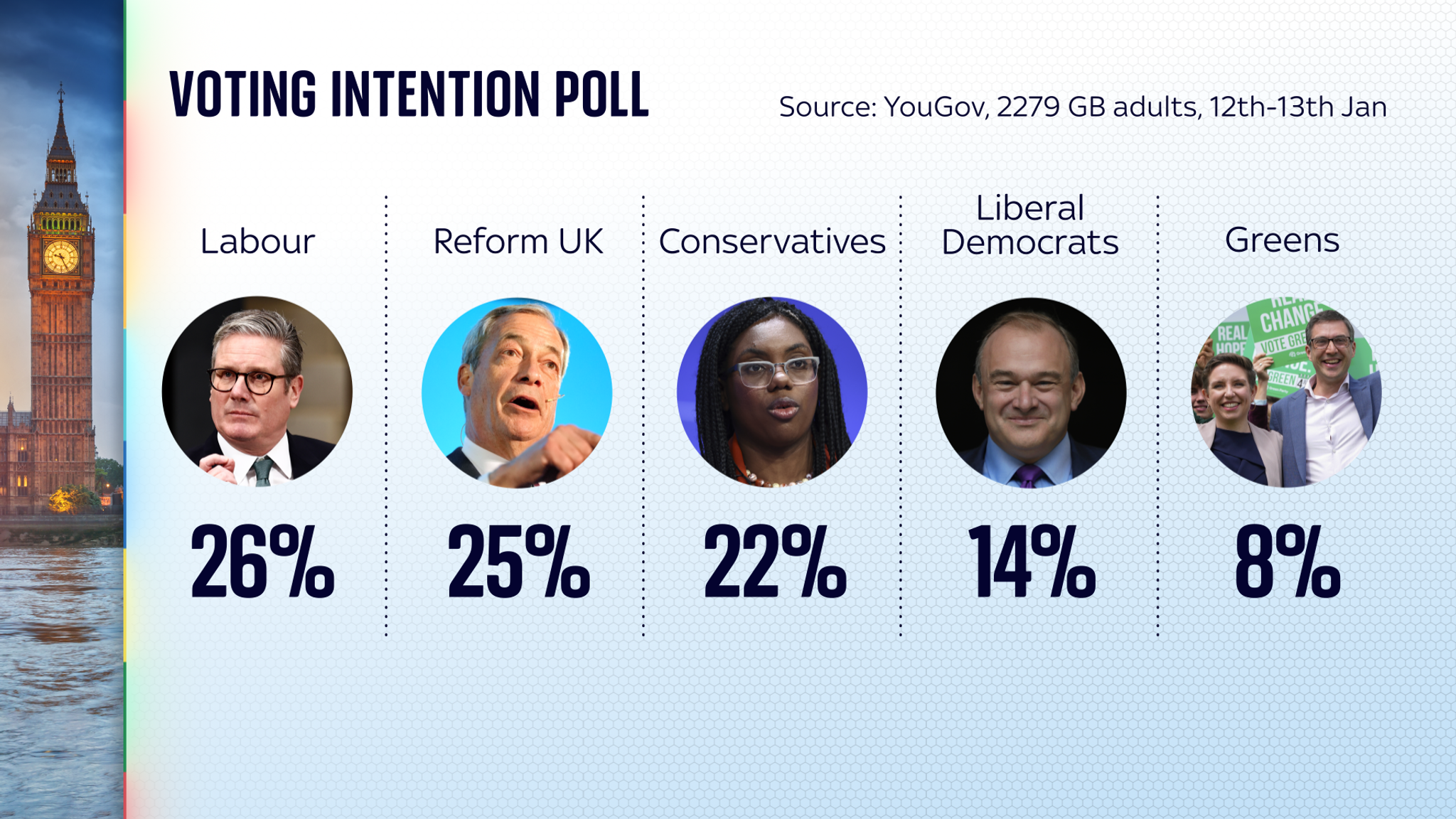
This represents more than a local protest vote. National polling data reveals Labour's support has hemorrhaged to around 20%—a historic low for any governing party in Britain. The Conservatives trail just behind at 18%, while Reform UK has surged to 32% in some recent polls.
But here's what makes this result genuinely alarming for centrists: it's happening across Europe. Green parties secured historic highs in Germany's recent elections with 11.6% of the vote. Meanwhile, far-right parties now hold roughly a quarter of European Parliament seats, up significantly from previous elections.
The political center is being squeezed from both directions, and Gorton and Denton just provided the most vivid illustration yet.
Why Gaza Became Gorton's Defining Issue
Spencer's victory wasn't won on traditional Green issues like renewable energy or biodiversity. It was won on foreign policy, specifically Labour's position on Gaza. This constituency has a significant Muslim population, and Spencer's uncompromising stance on Palestinian rights resonated powerfully with voters feeling abandoned by Starmer's cautious approach to Middle Eastern policy.
The parallel to 2005 is striking. Back then, Liberal Democrats captured traditionally safe Labour seats like Brent East, riding a wave of anti-Iraq War sentiment. Labour MP Richard Burgon explicitly drew this connection, noting how foreign policy disasters can reshape domestic politics overnight.
"People are really ready for an alternative to the Labour government and they are rejecting what I see as the divisive politics of Reform," Spencer said after her victory.
But this goes deeper than any single policy disagreement. Spencer's campaign tapped into a broader frustration with what many perceive as Labour's drift toward the political center under Starmer. The party that once championed bold social democratic policies now finds itself outflanked on the left by environmentalists and on the right by populists.
The European Context Changes Everything
Gorton and Denton didn't happen in isolation. Across Europe, centrist coalitions are fracturing under pressure from both Green parties and far-right movements. The European Parliament elections revealed this trend starkly—traditional center-right and center-left parties lost ground while the political extremes gained.

In Germany, the Greens achieved their second-highest vote share in history despite facing significant backlash over environmental policies. French Greens endorsed left-wing candidates rather than fielding their own, signaling a strategic shift toward coalition building with other anti-establishment forces.
Meanwhile, far-right parties have strengthened their position dramatically. They're not just winning votes—they're reshaping the entire political discourse around issues like immigration, climate policy, and European integration.
This creates a fascinating dynamic. Green parties and far-right movements couldn't be more different ideologically, yet both benefit from the same underlying trend: voter dissatisfaction with centrist governance that promises incremental change while delivering business as usual.
Starmer's Centrist Gamble Is Failing
Since becoming Labour leader, Starmer has bet everything on occupying the political center. He's distanced himself from Jeremy Corbyn's leftist agenda, embraced fiscal responsibility rhetoric, and positioned Labour as a safe, competent alternative to Conservative chaos.
The strategy worked brilliantly in July 2024, delivering Labour its largest parliamentary majority in decades. But governing has proven far more challenging than campaigning. Less than two years into power, Labour's support has collapsed to levels that would make them unelectable if sustained until the next general election.
The problem isn't just policy—it's positioning. By claiming the center ground, Starmer opened space for challengers on both flanks. The Greens can now credibly argue they represent Labour's abandoned socialist principles, while Reform UK claims to defend working-class interests that Labour supposedly neglects.
Jon Trickett, a longtime Labour MP, captured the party's dilemma perfectly when he acknowledged that Thursday's result reflects deep frustration among traditional Labour voters who feel politically homeless.
What This Means for 2025 and Beyond
If current polling trends continue, the next British general election could produce the most fragmented Parliament in modern history. With Labour at 20%, Conservatives at 18%, and Reform UK at 32%, traditional two-party dominance appears finished.
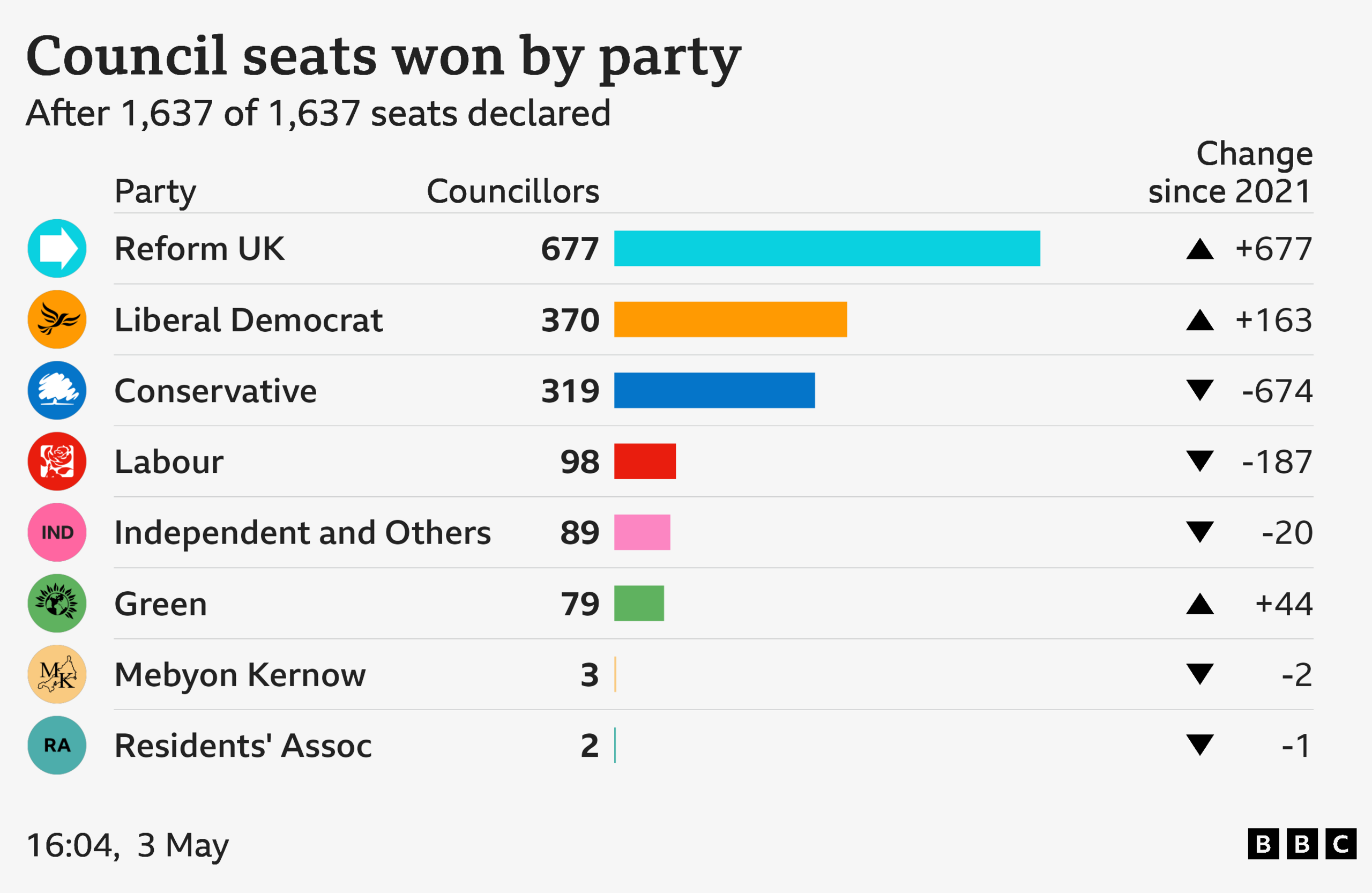
Reform UK's 32% polling average would likely make them the largest party in Parliament—a scenario that seemed impossible just two years ago. This would represent the most dramatic political realignment since the rise of the Labour Party itself in the early 20th century.
As one political analyst noted, "30 per cent across Britain would almost certainly be enough to make Reform the largest party in the new parliament."
But the Green victory in Gorton and Denton suggests another possibility: coalition politics between anti-establishment forces. If Green parties can build on environmental concerns while addressing economic inequality and foreign policy issues, they might forge lasting alliances with other left-wing movements.
This mirrors developments across Europe, where traditional center-left and center-right parties increasingly struggle to form stable governing coalitions. The European Parliament's centrist majority remains intact for now, but it's shrinking and becoming more fragmented.
The implications extend far beyond electoral arithmetic. Climate policy, European integration, immigration, and economic inequality—all the defining issues of our time—will be debated in a fundamentally different political context than we've known for decades.
The End of Centrism as We Know It
Hannah Spencer's victory represents more than one constituency changing hands. It signals the end of an era when centrist parties could win elections by promising competent management and incremental progress.
Today's voters—whether motivated by climate change, economic inequality, immigration concerns, or foreign policy—want dramatic change, not careful compromise. They're choosing parties that promise transformation over those that offer stability.
For established politicians like Starmer, this creates an impossible dilemma. Move left to reclaim voters like those in Gorton and Denton, and risk losing centrist supporters who delivered their 2024 landslide. Stay in the center, and watch both flanks continue eroding their electoral coalition.
The European context makes this choice even starker. Across the continent, centrist parties face identical pressures from resurgent Green movements and ascendant far-right parties. Those who adapt might survive. Those who don't will join the growing list of political casualties from this age of disruption.
Spencer may fix pipes for a living, but her victory just broke the political system that has dominated British politics for generations. The question now isn't whether this represents a new normal—it's whether anyone in Westminster is prepared for what comes next.