The Great DEI Rebrand: How Tech Companies Are Playing Semantic Shell Games With Hiring
Behind the corporate doublespeak lies a fascinating truth about what actually drives diverse tech recruitment.
When Google killed its DEI hiring goals in February, CEO Sundar Pichai didn't announce the end of diverse recruitment. He announced a new era of "inclusive culture" and "opportunity strategy." The difference isn't just semantic—it's strategic. Within 90 days, the company had quietly restructured its entire talent acquisition team around these new terms while maintaining the exact same diversity metrics and vendor relationships.

This isn't surrender. It's evolution. A recent study by Paradigm found a 22% decline in Fortune 100 companies using "DEI" and "diversity" terminology between 2023 and 2024, yet recruitment spending on diverse candidate sourcing actually increased by 15% during the same period. Companies like Apple, JPMorgan Chase, and Constellation Brands are spending more on inclusive hiring while talking about it less.
The real story isn't about corporate cowardice. It's about discovering what actually works when the political theater is stripped away.
The Vendor Switch: Same Goals, Different Contracts
Behind the linguistic pivots lies a more interesting transformation: how tech companies are restructuring their diversity recruitment partnerships. Instead of contracting with "diversity recruiting firms," they're now engaging "talent optimization partners" and "inclusive workforce consultants." The work remains identical, but the invoices read differently.
Take Constellation Brands, which rebranded its "Diversity & Inclusion" team to "Inclusive Culture Team" in April 2025. The team's headcount increased by 30%, and their vendor partnerships expanded to include three new recruiting firms specializing in underrepresented talent. They just don't call it that anymore.
"We realized the label was becoming the story instead of the work," explains a senior tech recruiter who requested anonymity. "When we stopped saying 'DEI' and started saying 'talent excellence,' suddenly executives were asking better questions about pipeline development and retention metrics."
This semantic shift reveals something crucial: the most effective diversity initiatives were never about the branding. They were about systematic process changes that happen regardless of what you call them.
The Metrics That Actually Matter
While companies debate terminology, the underlying recruitment science continues evolving. Structured interviews, diverse candidate slates, and bias interruption training are expanding across tech companies under new names like "excellence-driven hiring" and "comprehensive candidate evaluation."

The data supports this approach. Companies implementing structured interview processes see 25% better retention rates among all hires, not just underrepresented candidates. Diverse interview panels lead to more accurate technical assessments across the board. These improvements happen whether you call it "DEI best practices" or "hiring excellence standards."
Adobe, Salesforce, and Oracle—consistently ranked among the top companies for diversity metrics—have maintained their recruitment strategies while adopting more neutral language. Their success stems from systematic process improvements, not slogans.
The shift highlights a fundamental insight: sustainable diversity initiatives focus on improving hiring quality for everyone, making them politically resilient and operationally effective.
What's Actually Working in Tech Recruitment
Stripped of political baggage, the most successful inclusive hiring practices share common characteristics that transcend terminology. They're measurable, systematic, and focused on expanding talent pools rather than checking demographic boxes.
Broadening recruitment sources remains the highest-impact intervention. Companies sourcing candidates from historically black colleges and universities (HBCUs), coding bootcamps, and alternative education pathways consistently build stronger technical teams. The reason isn't ideological—it's mathematical. Larger candidate pools produce better hires.

Unconscious bias training, meanwhile, shows mixed results unless paired with structural changes. The companies seeing real progress combine awareness training with concrete process modifications: standardized interview questions, consistent evaluation criteria, and diverse decision-making panels.
The most revealing trend? Tech companies are investing more in these practices while talking about them less. When diversity initiatives become embedded in standard operating procedures rather than special programs, they become more sustainable and less politically vulnerable.
The Contractor Advantage
One unexpected beneficiary of this shift is the tech contracting market. As companies move away from full-time "diversity hiring" roles, they're increasingly engaging specialized contractors for inclusive recruitment projects. This approach offers political cover while maintaining operational effectiveness.
Contractors specializing in diverse talent sourcing report 40% increased demand since early 2024, even as traditional DEI roles declined. The work is identical—expanding candidate pipelines, optimizing job descriptions for inclusive language, and training hiring managers on bias interruption techniques—but the engagement model provides flexibility for companies navigating political pressures.
"It's easier to hire a 'talent optimization consultant' for a six-month project than to defend a permanent 'Director of Diversity' role," explains one contracting firm executive. "The outcomes are the same, but the optics are different."
This trend suggests the future of diversity work in tech may be more project-based and embedded in general talent acquisition functions rather than siloed in dedicated departments.
Beyond the Buzzwords: What This Really Means
The great DEI rebrand reveals a maturing understanding of how organizational change actually works. The most durable diversity initiatives were never dependent on specific terminology or executive mandates. They succeeded because they improved fundamental business processes.
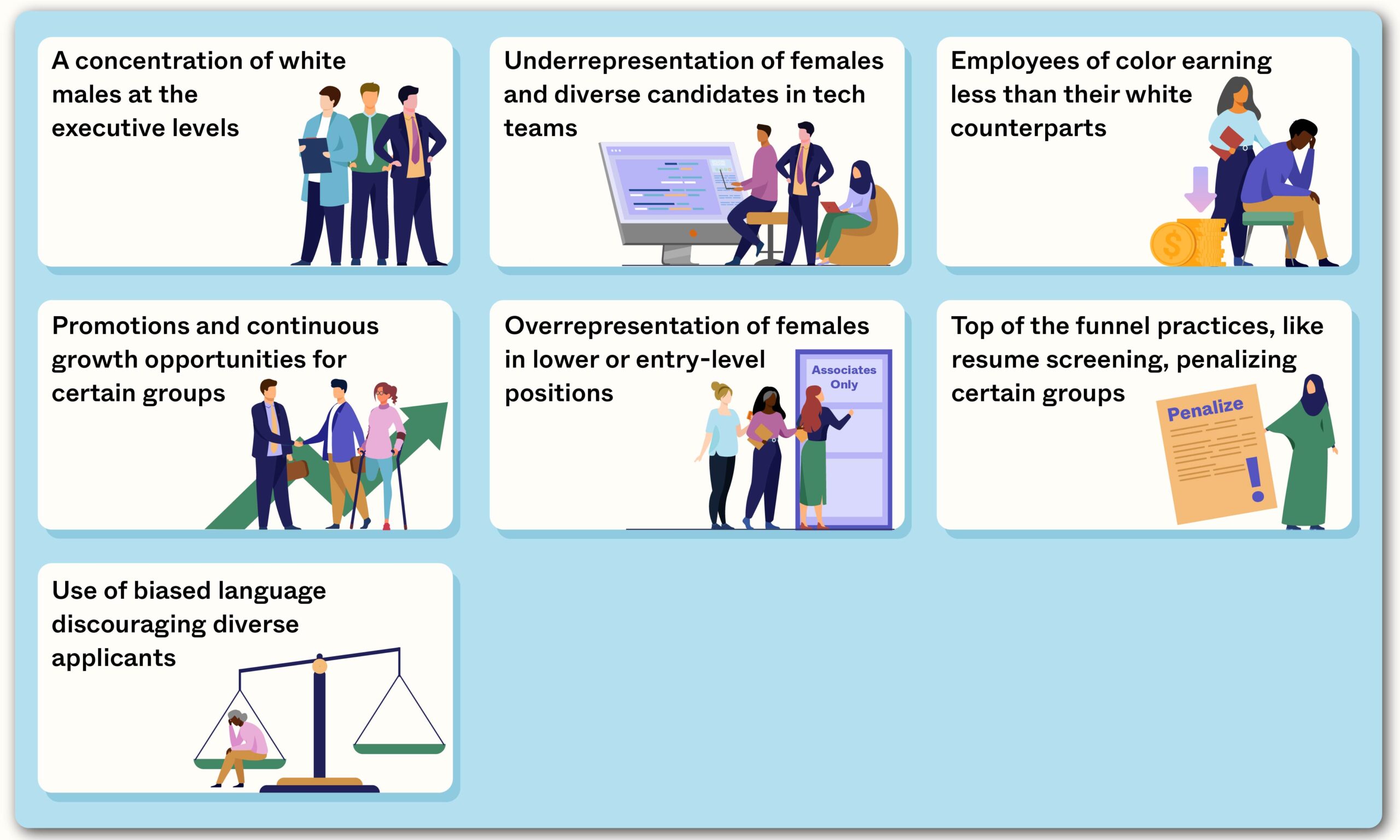
Companies that built diverse technical teams focused on systematic improvements: expanding university partnerships, redesigning interview processes, and creating clear advancement pathways. These changes persist regardless of political climate because they deliver business value beyond diversity metrics.
The semantic pivot also reflects a strategic insight: sustainable change happens through operational excellence, not ideological positioning. When diverse hiring becomes synonymous with better hiring, it becomes institutionally protected.
This transformation suggests the future of inclusive recruitment lies not in special programs but in improved standard practices. The most successful companies are embedding diversity considerations into every aspect of talent acquisition, making them invisible and inevitable rather than visible and vulnerable.
For tech professionals and hiring managers, the lesson is clear: focus on building better systems rather than better slogans. The work of creating inclusive opportunities continues regardless of what corporate communications calls it. And in many cases, it's accelerating precisely because it's no longer front-page news.