The Great American Cooking Paradox: Why 93% Plan to Cook More But Spend 57% on Takeout
Social media food trends are masking the real story behind America's complicated relationship with home cooking in 2025.
Americans are living a food contradiction so massive it would be funny if it weren't reshaping entire industries. While 93% of us plan to cook as much or more at home this year than last, we're simultaneously spending 57% of our food budgets on meals prepared outside the home. The gap between intention and reality has never been wider, and it's creating a fascinating cultural moment where convenience culture and cooking aspirations collide in unexpected ways.
The 30-Minute Reality Check
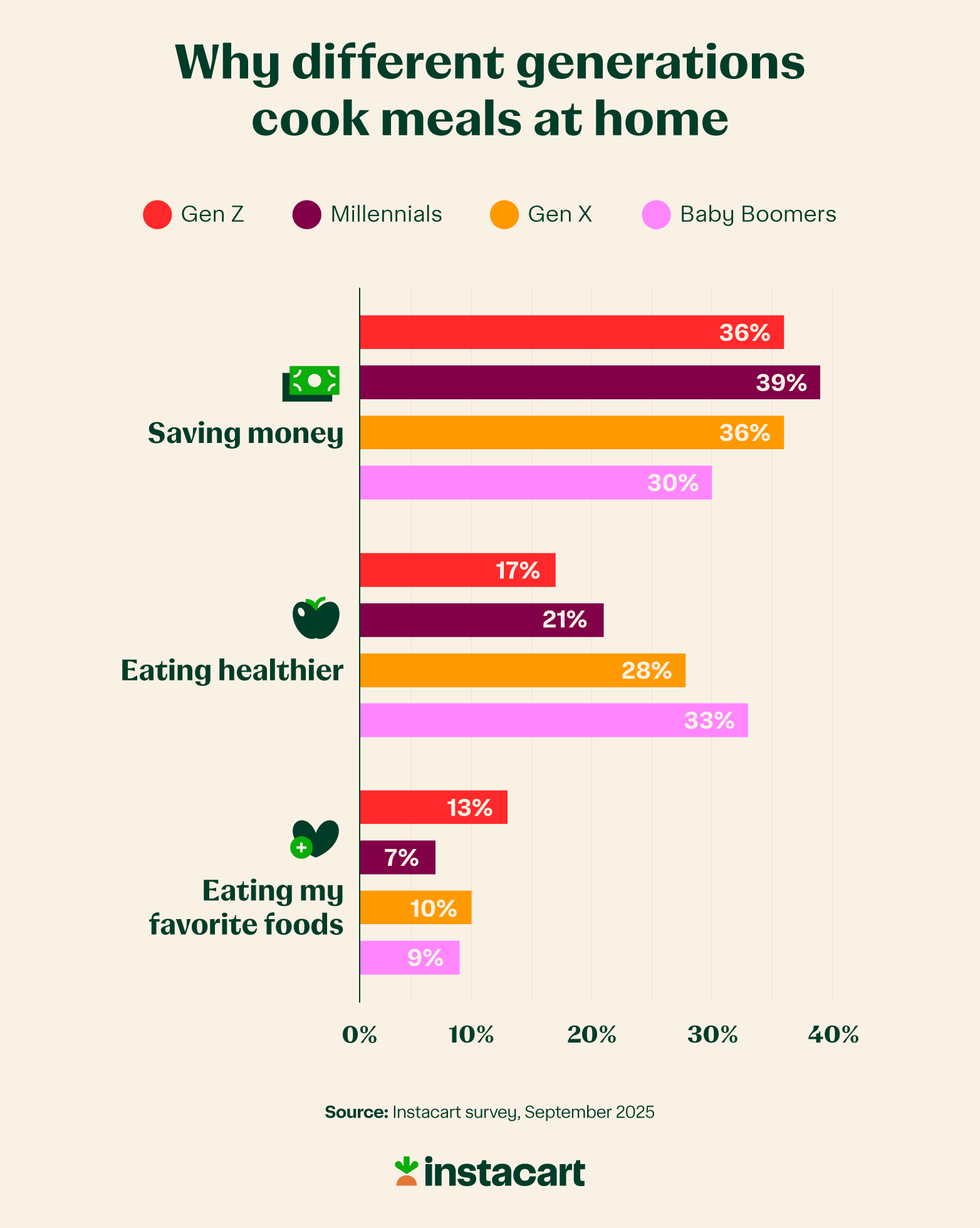
The numbers tell a stark story about American time allocation. A 2025 YouGov report reveals that 60% of Americans prefer to spend less than 30 minutes cooking dinner, with 12% preferring to spend zero time cooking at all. This isn't laziness. It's math.
When you factor in grocery shopping, meal planning, prep time, cooking, and cleanup, that "quick" home-cooked meal easily stretches to 90 minutes. For families juggling work, childcare, and other responsibilities, the economics become brutal. A $15 takeout meal suddenly looks reasonable when your time is worth $25 an hour and dinner prep consumes three hours of your evening.
Yet something curious is happening. Nearly half of adults (49%) report feeling guilty when they order restaurant food instead of cooking at home. We're caught between practical constraints and cultural expectations, creating a tension that's driving some fascinating behavioral adaptations.
The guilt factor explains why grocery-prepared foods have exploded. Deli sections have become the compromise zone where Americans can maintain the illusion of home cooking while embracing pure convenience.
TikTok's Recipe for Confusion
Social media has created a particularly modern form of cooking theater. While 84% of Gen Z actively try social media food trends, they're not necessarily cooking more. They're performing cooking.
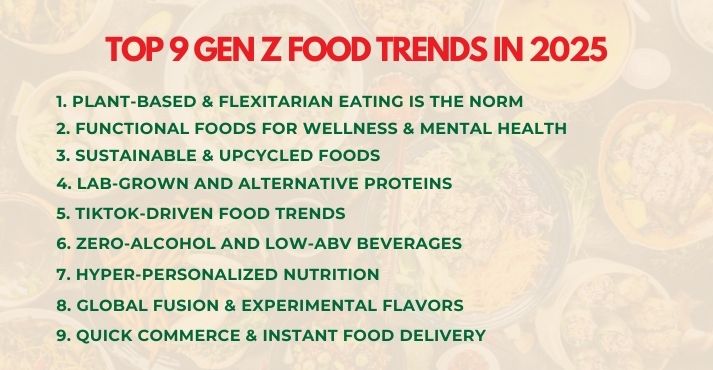
The difference is crucial. TikTok recipes optimize for virality, not practicality. They feature expensive specialty ingredients, multiple steps that look simple in 60-second videos, and results that photograph beautifully but may not taste particularly good. The platform rewards visual drama over actual nutrition or cooking education.
This creates a generation that knows how to make cloud bread and Dubai chocolate bars but struggles with basic meal planning. They'll spend 45 minutes creating content around a trendy recipe, then order DoorDash for actual dinner. The performance of cooking has become separate from the practice of feeding yourself.
"Consumers are increasingly viewing deli-prepared foods as a true alternative to restaurant dining, not just a convenient option," says Allison Febrey of FMI - The Food Industry Association.
The Celebrity Chef Industrial Complex
Celebrity influence on food culture has reached unprecedented levels, but not in the way you might expect. While celebrities certainly drive specific product trends, their bigger impact is psychological. They've convinced Americans that food should be an experience, not just sustenance.
This expectation inflation means home cooking feels inadequate unless it meets Instagram standards. A simple pasta dinner doesn't satisfy when your feed shows Gordon Ramsay's 15-ingredient truffle creation. The result is analysis paralysis, where the gap between aspiration and ability leads people to abandon cooking entirely.
Celebrity food brands capitalize on this dynamic. They promise restaurant-quality results with minimal effort, positioning themselves as the solution to the cooking confidence gap. But they're selling convenience disguised as achievement.
The Economics of Eating Out
The financial reality behind America's food habits reveals some uncomfortable truths. In 2024, 55% of consumers preferred dining out at restaurants over ordering takeout or delivery, up from 43% in 2023. But this isn't about a love of restaurant ambiance.
It's about value perception. Restaurant dining feels like an experience worth paying for, while takeout feels like expensive laziness. The guilt factor around delivery has created a preference for leaving the house to justify the expense. Americans will pay $40 for a dinner out but feel terrible about spending $25 on delivery for the same food.
Meanwhile, 52% of restaurant customers now consider takeout an essential part of their lifestyle, according to Colorado culinary school analysis. We've reached a tipping point where prepared food isn't a convenience anymore. It's infrastructure.
The real shift isn't that Americans are cooking less. It's that we've redefined what counts as a home-cooked meal.
The Convenience Culture Takeover
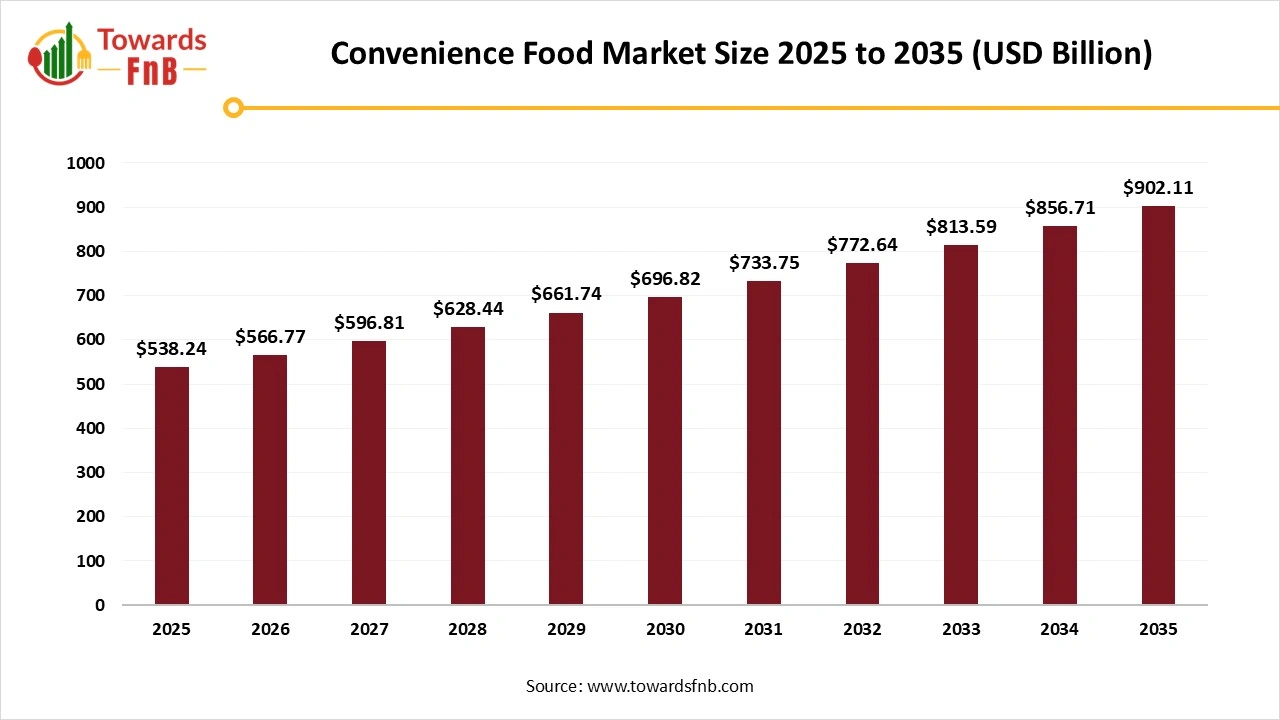
The most telling statistic isn't about cooking frequency. It's about expectation. According to Innova Market Insights, one in five consumers globally cite lack of time as their primary reason for seeking convenient food solutions. But "lack of time" often means "lack of prioritization."

Americans spend an average of 2.5 hours daily on social media but claim they don't have 30 minutes to cook dinner. The issue isn't time scarcity. It's that cooking has fallen below social media, streaming, and other activities in our mental priority ranking.
This creates a market opportunity that grocery stores are aggressively pursuing. Prepared food sections now occupy prime real estate, offering everything from sushi to full holiday meals. These aren't just convenience products anymore. They're lifestyle solutions for people who want the satisfaction of "cooking" without the time investment.
The share of consumers choosing deli foods over restaurants has more than doubled since 2017, according to FMI research. We're not just changing how we eat. We're changing what we consider acceptable sources of meals.
What This Really Means for 2025
The great American cooking paradox reveals something deeper than food trends. It shows a culture struggling to reconcile traditional values with modern constraints. We still believe home cooking is morally superior, nutritionally better, and more economical. The data suggests we're wrong on at least two of those points.
The solution isn't shaming people into cooking more. It's acknowledging that food preparation has evolved, and our cultural expectations haven't caught up. The 93% who plan to cook more this year aren't delusional. They're expressing genuine intent constrained by practical reality.
Smart food companies are already adapting. They're creating products that bridge the gap between convenience and cooking, offering meal kits, pre-prepped ingredients, and semi-homemade solutions that satisfy both practical needs and psychological preferences.
The future of American eating isn't about choosing between home cooking and takeout. It's about creating hybrid solutions that deliver convenience without compromising identity.
For consumers, the key insight is simple: stop fighting the contradiction and start working with it. Plan for the reality that you'll cook less than you intend. Invest in high-quality convenience options for busy nights. Save elaborate cooking projects for when you actually have time to enjoy the process, not just the performance.
The American relationship with food is changing faster than our cultural narratives can keep up. The sooner we acknowledge that, the sooner we can build food systems that actually serve how people live, not how we think they should live.