Gen Z Is Breaking the Food Authenticity Prison That Trapped Millennials
How dumpling lasagna and scallion pancake pizza became symbols of culinary liberation from decades of gatekeeping.
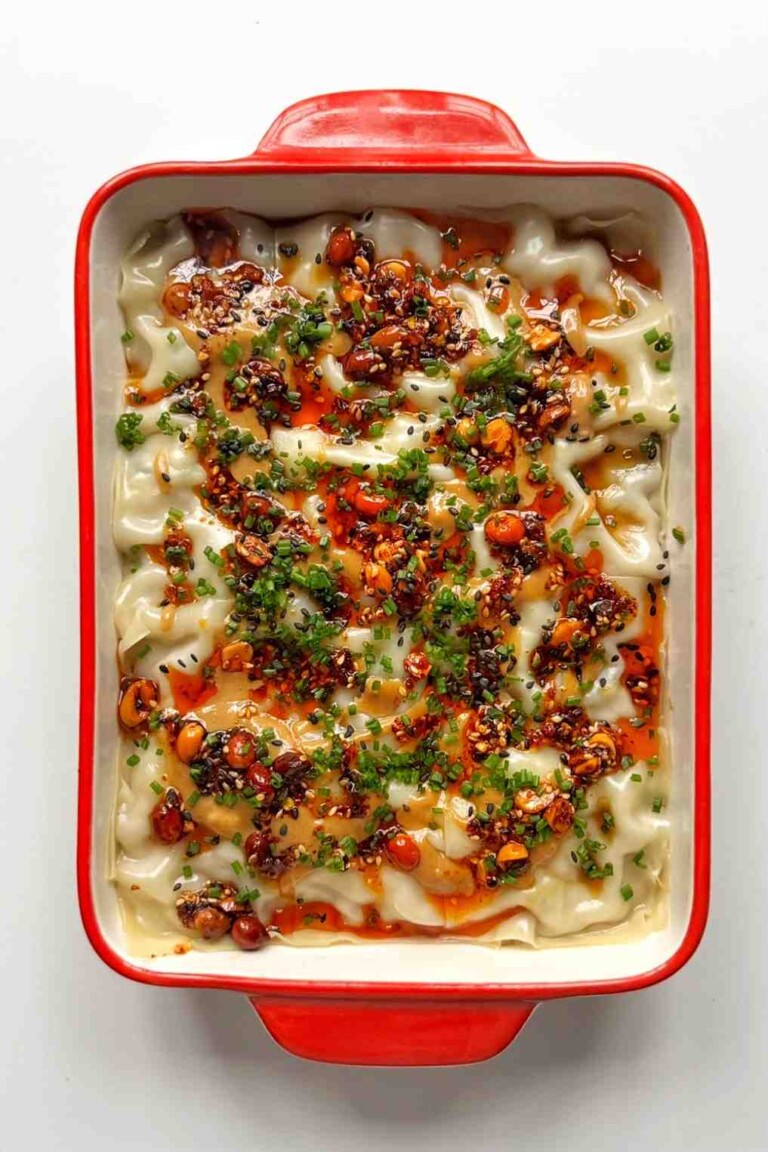
When Mags from @magsspicedkitchen layered frozen dumplings with marinara sauce and mozzarella cheese, she didn't know she was starting a revolution. Her dumpling lasagna video exploded to over 70,000 likes, spawning thousands of iterations across TikTok. But this wasn't just another food trend going viral—it was Gen Z's declaration of independence from the authenticity police that have held American food culture hostage for decades.
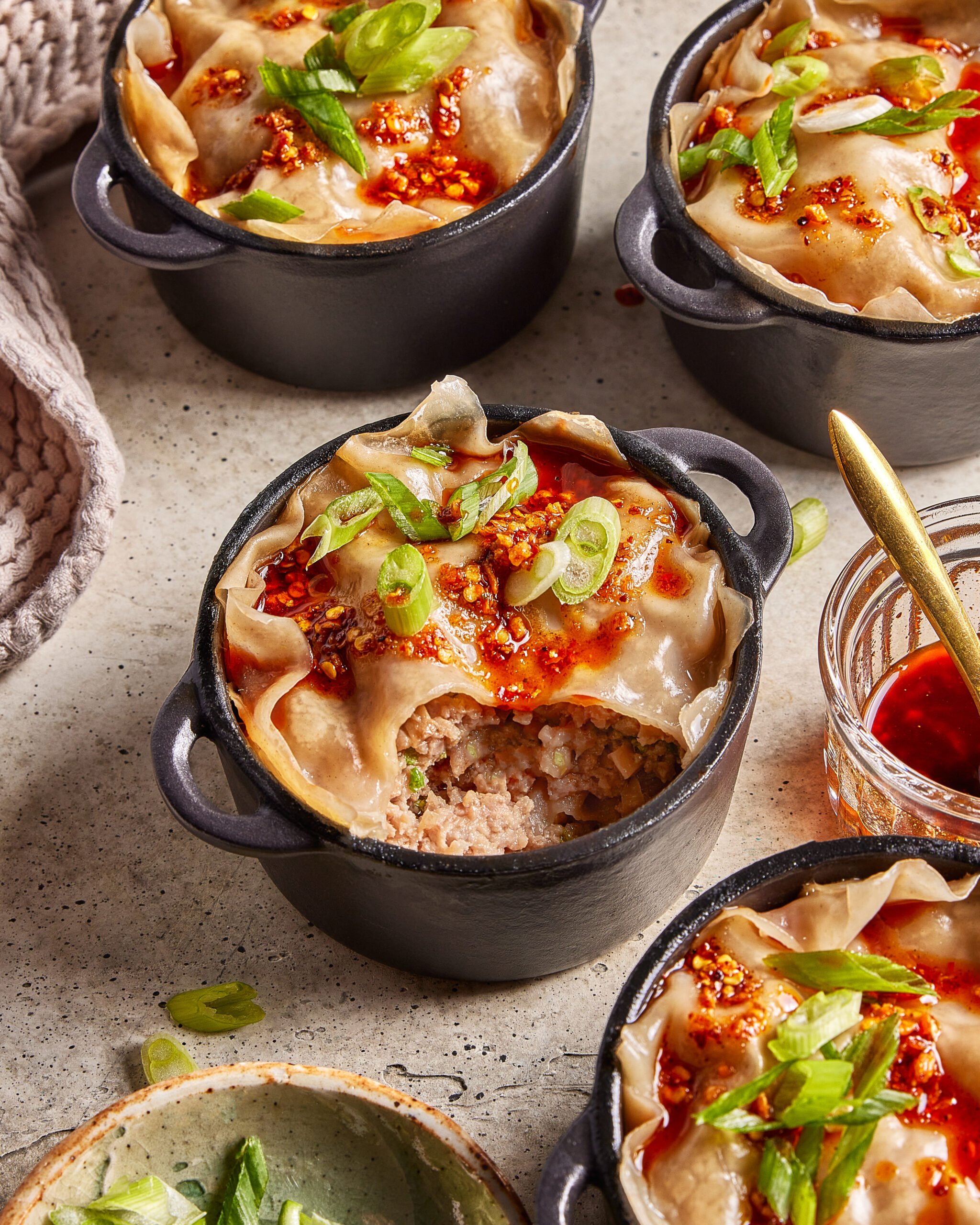
While millennials spent years paralyzed by fears of cultural appropriation and demands for "authentic" cuisine, Gen Z simply grabbed whatever was in their fridge and started cooking. The result? A wave of fusion creations that would make food purists clutch their pearls: scallion pancake pizza, ramen carbonara, kimchi grilled cheese, and bulgogi tacos flooding social feeds with zero apologies attached.
The Authenticity Trap That Broke Millennial Creativity
Millennials came of age during the peak of food authenticity discourse. Every restaurant review scrutinized whether the chef had the "right" to make a particular cuisine. Food blogs dissected the cultural legitimacy of fusion dishes. Social media pile-ons punished anyone who dared to adapt traditional recipes without proper credentials.
This gatekeeping created a generation of home cooks terrified to experiment. Why risk making Korean-Italian fusion when someone might accuse you of disrespecting both cultures? Better to stick to safe territory: perfectly executed traditional dishes or bland American standards.
The irony was thick. The same generation that prided itself on global awareness and cultural sensitivity had effectively segregated their own kitchens. They could appreciate authentic dim sum at a trendy restaurant, but God forbid they try making their own version at home.
"Calling for ruthless authenticity ultimately robs chefs of color of creative freedom. To place only Western expectations on their work removes agency from their culinary expression."
Meanwhile, actual immigrants and diaspora communities continued doing what they'd always done: adapting their family recipes with whatever ingredients they could find in American supermarkets. Chinese-American cuisine, Tex-Mex, and Italian-American food all emerged from this necessity-driven fusion. But somehow, when non-immigrants did the same thing, it became controversial.
How Gen Z Rewrote the Rules
Gen Z entered the kitchen with a fundamentally different mindset. Born into a hyper-connected world where culture moves at internet speed, they view fusion as natural evolution rather than cultural violation. They're more likely to see a dumpling as an ingredient than a sacred cultural artifact.

The numbers tell the story. According to restaurant industry data, only 5% of diners over 44 consider a restaurant's social stance extremely important, but Gen Z and millennials are more than twice as likely to factor social causes into dining decisions. Yet Gen Z channels this values-driven approach differently—toward creativity and inclusion rather than rigid authenticity policing.
Where millennials asked "Do I have permission to make this?", Gen Z asks "What happens if I try this?" The dumpling lasagna phenomenon perfectly captures this shift. Instead of debating whether Italian-Chinese fusion is appropriate, creators focused on whether it tastes good and looks Instagram-worthy.
Food Network's coverage of the dumpling lasagna trend signals mainstream acceptance of this new approach. When established culinary institutions celebrate fusion experimentation rather than gatekeeping it, you know the cultural tide has turned.
The Science Behind the Fusion
What makes these seemingly random combinations work isn't accident—it's intuitive understanding of flavor harmony. Dumpling lasagna succeeds because both dishes share core elements: savory protein, starch layers, and rich, comforting sauces. The dumpling wrapper provides structure similar to pasta sheets, while the filling adds umami depth that complements marinara.
Scallion pancake pizza works for similar reasons. The crispy, layered texture of scallion pancakes creates an ideal base for toppings, while the onion flavor bridges the gap between Italian and Chinese taste profiles. These aren't random mashups—they're thoughtful combinations that respect both culinary traditions while creating something new.

Gen Z's approach to fusion reflects deeper understanding of food science principles that formal culinary education often emphasizes. They're experimenting with complementary flavors, contrasting textures, and visual appeal—the building blocks of successful dish development.
This generation also grew up with global flavors as baseline rather than exotic. Korean BBQ, Thai curry, and Mexican street food aren't foreign cuisines to them—they're Tuesday dinner options. This familiarity breeds confidence to experiment across cultural boundaries.
Breaking Down the Gatekeeping Industrial Complex
The authenticity obsession never came from the communities whose food was being "protected." It emerged from food media, restaurant criticism, and academic discourse—predominantly Western, often white institutions that positioned themselves as arbiters of cultural legitimacy.
Real cultural exchange has always been messy, adaptive, and creative. Italian tomatoes came from the Americas. Indian curry adapted British influences. Japanese ramen evolved from Chinese noodles. Every "authentic" cuisine is actually layers of historical fusion, shaped by trade routes, migration patterns, and ingredient availability.
"Fusion food isn't just about taste—it's a reflection of how people live now: connected, curious, and constantly remixing culture."
Gen Z understands this intuitively. They've grown up in truly multicultural environments where their Korean-American friend's mom makes kimchi fried rice with Spam, and their Mexican-Italian neighbor serves pozole with parmesan. They see fusion as normal human behavior, not cultural transgression.
The dumpling lasagna trend represents this generation reclaiming the kitchen from the authenticity police. They're not rejecting respect for culinary traditions—they're rejecting the notion that respect requires stagnation.
What This Means for the Future of Food
The viral success of dumpling lasagna and similar fusion experiments signals a broader shift in American food culture. We're moving from a gatekeeping model toward a creative commons approach where inspiration flows freely across cultural boundaries.
Restaurant industry data shows unique concepts like breweries, gourmet markets, and fusion establishments are experiencing the biggest growth with younger demographics. Gen Z wants experiences that reflect their multicultural reality, not sanitized versions of "authentic" traditions.
This doesn't mean anything goes. Gen Z still values cultural awareness and respect—they just define it differently than their predecessors. Instead of obsessing over authenticity credentials, they focus on whether fusion feels genuine, tastes good, and honors the spirit of contributing cuisines.
For food businesses, this represents enormous opportunity. The generation coming into peak spending power wants creative, inclusive food experiences that reflect their diverse world. Smart brands are already pivoting from authenticity marketing toward innovation narratives.
The dumpling lasagna revolution isn't really about combining two random comfort foods. It's about a generation finally feeling free to cook the way humans always have—by mixing, adapting, and creating something new from whatever's available. In breaking free from authenticity prison, Gen Z is rediscovering the joy of culinary experimentation that gatekeeping culture nearly killed.
Maybe it's time we all grabbed some frozen dumplings and marinara sauce and started cooking like we actually live in the 21st century.