The F-Bomb That Redefined Olympic Excellence
How Mikaela Shiffrin's unfiltered gold medal celebration reveals what peak performance really looks like in 2026.
When Mikaela Shiffrin dropped an F-bomb on live television seconds after winning Olympic gold, then celebrated with an espresso martini instead of champagne, she didn't just break a 12-year medal drought. She shattered the pristine facade of Olympic perfection that has defined elite athletics for generations.
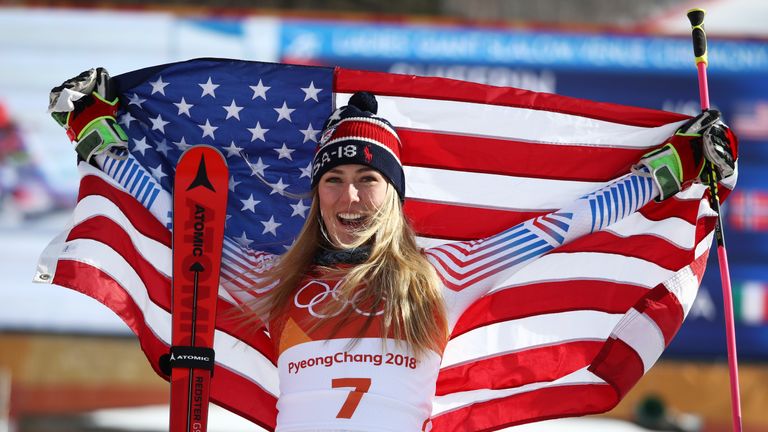
The 29-year-old American became the first Alpine skier in U.S. history to claim three Olympic gold medals when she dominated the women's slalom at Cortina d'Ampezzo on February 18, 2026. But her victory transcended statistics. In a sport historically governed by composure and calculated responses, Shiffrin's raw emotion and casual profanity represented something more profound: the evolution of what we expect from our athletic heroes.
The Weight of Redemption
Shiffrin carried more than skis down that Cortina slope. She carried the crushing memory of Beijing 2022, where she shockingly failed to medal in any of her five events despite entering as the overwhelming favorite. The disappointment wasn't just personal—it was global, watched by millions who had expected dominance from the sport's most decorated active athlete.
"This feels like a really big moment," Shiffrin told NBC's Cara Banks through tears after crossing the finish line. The understatement of the Olympic Games. This wasn't just another gold medal; it was validation that peak performance isn't about perfection—it's about resilience after public failure.
The path from Beijing's devastation to Cortina's triumph reveals something crucial about modern athletic excellence. Unlike the robotic champions of previous eras, today's elite athletes are redefining success through vulnerability and authenticity. Shiffrin's journey proves that peak performance isn't a constant state—it's a moment seized after surviving the depths.
Breaking the Composure Code
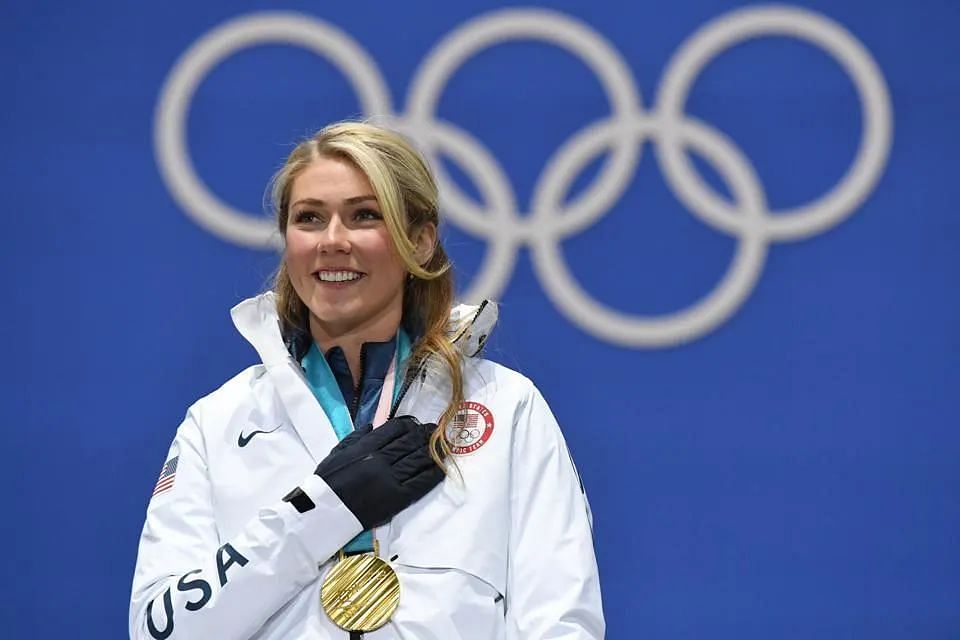
Olympic athletes have traditionally been expected to embody superhuman composure. Think of the measured responses, the careful thank-yous to coaches and sponsors, the diplomatic deflection of controversial questions. Shiffrin's expletive-laden celebration broke that mold entirely.
Her authentic reaction—swearing, crying, and later sipping an espresso martini while draped in an American flag—reflected a generational shift in how elite athletes present themselves. This isn't manufactured relatability; it's genuine human response to extraordinary circumstances.
"The Olympics has fully entered its Influencer Era," noted ESPN's analysis of recent Games, where athletes use social media to maximize their brands and stay relevant outside the Olympic cycle.
But Shiffrin's moment transcends social media strategy. Her unfiltered celebration wasn't calculated for viral potential—it was pure emotion from someone who had endured years of scrutiny and self-doubt. The authenticity resonated precisely because it wasn't designed to resonate.
This represents a fundamental shift in Olympic culture. Athletes are no longer content to be perfect ambassadors for their sports. They're demanding the right to be human, complete with flaws, emotions, and occasionally colorful language.
The Science of Peak Performance
Traditional sports psychology defines peak performance as "an individual's best theoretical performance capacity, within the scope of their sport, genetic potential." But Shiffrin's victory suggests this definition is incomplete. Her peak wasn't just physical—it was emotional, psychological, and deeply personal.
The four years between Beijing and Cortina weren't just about technical refinement. They were about rebuilding confidence, managing expectations, and learning to perform under the weight of redemption narratives. Peak performance, it turns out, isn't about eliminating pressure—it's about transforming it into fuel.
Shiffrin's approach challenges the sterile pursuit of perfection that has dominated elite athletics. Her peak performance included vulnerability, setbacks, and ultimately, an F-bomb heard around the world. This messier version of excellence might be more sustainable and, paradoxically, more effective than the impossible standards of the past.
The Espresso Martini Revolution
The choice of celebratory drink matters more than it should. Champagne has long been the default victory beverage, a symbol of sophistication and tradition. Shiffrin's espresso martini was a subtle rebellion—caffeinated, contemporary, and completely her own choice.
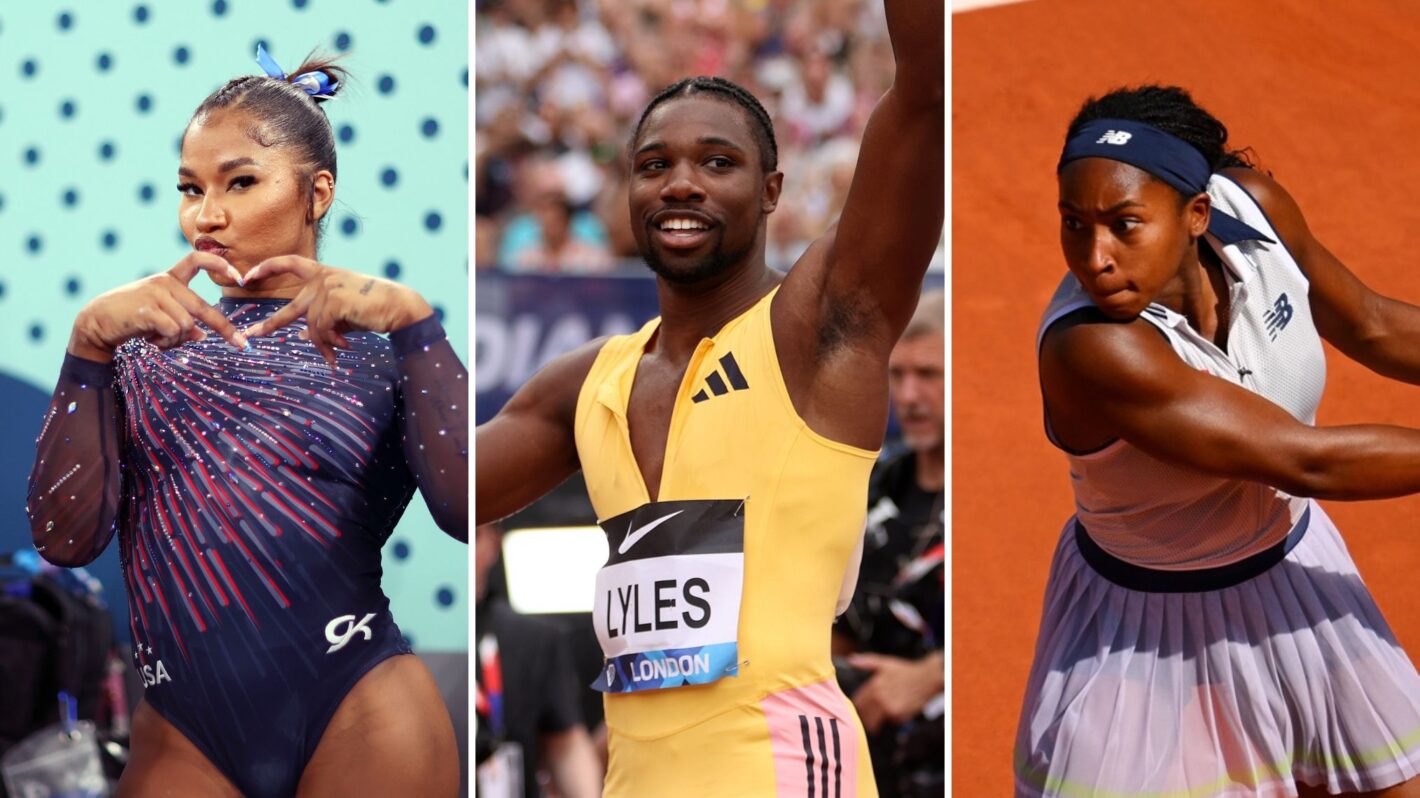
This seemingly minor detail reflects a broader trend among Olympic athletes who are rejecting prescribed narratives in favor of personal authenticity. From gymnasts posting behind-the-scenes content to swimmers sharing their mental health struggles, athletes are claiming ownership of their stories.
The lenient social media policies introduced for recent Olympic Games have accelerated this trend. Athletes can now "take photos and video and audio recordings both inside and outside of official Olympic training, ceremony, and social areas," creating unprecedented opportunities for authentic connection with fans.
Shiffrin's celebration embodied this new freedom. No scripted responses, no corporate-approved messaging—just a woman who had achieved something extraordinary and wanted to mark it her way.
Redefining Olympic Excellence
What makes Shiffrin's gold medal particularly significant isn't just the skiing—it's the complete package of how she achieved it, celebrated it, and shared it with the world. Her victory represents a new model of Olympic excellence that values authenticity alongside achievement.
This shift has profound implications for how we understand peak performance. The old model demanded emotional suppression in service of results. The new model, exemplified by Shiffrin, suggests that emotional authenticity might actually enhance performance by reducing the psychological burden of maintaining a false persona.
"Peak performance relies on core psychological concepts like motivation, arousal, self-talk, mental toughness, and understanding pressure," according to sports psychology research. Shiffrin's journey demonstrates that authenticity might be the missing element in this equation.
Her celebration resonated globally not despite its imperfection, but because of it. In an era of manufactured moments and calculated authenticity, Shiffrin's genuine emotion cut through the noise. She didn't perform joy—she lived it.

The Future of Olympic Heroism
Shiffrin's legacy extends beyond her three Olympic gold medals. She's pioneering a new archetype of Olympic hero—one who embraces vulnerability, celebrates authentically, and refuses to conform to outdated expectations of athletic perfection.
This evolution couldn't come at a better time. As younger generations increasingly value authenticity over polish, Olympic athletes who embrace their humanity are likely to forge deeper, more lasting connections with global audiences. The athletes willing to show their complete selves—F-bombs and all—may ultimately prove more inspiring than their perfectly composed predecessors.
The 2026 Winter Olympics in Milano Cortina will be remembered for many moments, but Shiffrin's unfiltered celebration of her slalom gold might be the most important. It marked the moment when Olympic excellence officially expanded to include not just what athletes achieve, but how authentically they share those achievements with the world.
In the end, Mikaela Shiffrin's greatest victory wasn't on the slopes of Cortina—it was in proving that peak performance and authentic humanity aren't opposing forces. They're partners in creating the kind of Olympic moments that transcend sport and remind us why we watch in the first place.