The F-Bomb That Broke a 12-Year Curse: How Mikaela Shiffrin Found Her Voice
After eight Olympic failures, America's greatest slalom skier discovered that authenticity, not perfection, unlocks peak performance.
When Mikaela Shiffrin crossed the finish line in Milan-Cortina, she didn't pump her fists or strike a pose for the cameras. Instead, she unleashed an unfiltered expletive that reverberated through the alpine world and became the most honest moment in Olympic skiing. After 12 years of carrying the weight of American expectations, the 29-year-old had just delivered the most dominant slalom performance in recent Olympic history—winning by 1.5 seconds, the third-largest margin ever recorded in the event.

But the real story isn't the gold medal itself. It's how a nightmarish 0-for-6 performance in Beijing transformed into a masterclass in mental resilience, and why her uncensored celebration reveals more about elite athlete psychology than any podium interview ever could.
The Mathematics of Domination
Numbers tell the story of Shiffrin's Milan-Cortina performance better than any narrative. Her 1.5-second victory margin over Switzerland's Camille Rast represents a gap so large in modern slalom that it's nearly unthinkable. In a sport where hundredths of seconds separate champions from also-rans, Shiffrin essentially lapped the field.
The victory made her the first U.S. skier to win three Olympic gold medals. More remarkably, the 12-year span between her slalom golds represents the largest gap in Winter Olympic history between individual gold medals in the same event. She was 18 when she first won Olympic slalom gold in Sochi. At 29, she had traveled through an entire career's worth of triumphs and disasters to reach this moment again.
"The wonderful thing about this day was that I felt proud before it happened," Shiffrin said after the race, revealing the mental shift that made victory possible.
That pre-race pride represents a fundamental change in how Shiffrin approached pressure. For years, she had tied her self-worth to results, creating a psychological prison where anything less than gold felt like failure. The Beijing Olympics, where she failed to medal in six events, nearly broke her. But it also freed her.
The Beijing Breakdown That Built a Champion
Beijing 2022 was supposed to be Shiffrin's coronation. She arrived as the world's most dominant technical skier, holder of 73 World Cup victories, with media obligations stacked as high as her medal expectations. Instead, she experienced what sports psychologists call "choking under pressure"—not from lack of skill, but from the crushing weight of external expectations merging with internal perfectionism.

The 0-for-6 performance wasn't just about skiing. It was about identity. Shiffrin had built her sense of self around being perfect under pressure, the American who delivered when it mattered most. Beijing shattered that identity, leaving her to rebuild from scratch.
"I was trying so hard not to make mistakes that I forgot how to ski fast," she later reflected. The comment reveals the paradox of elite performance: the harder you try to avoid failure, the more likely you are to create it. Beijing taught her that perfectionism isn't just the enemy of excellence—it's the enemy of authenticity.
The Science of Swearing and Success
Shiffrin's F-bomb moment wasn't just emotional release—it was a window into how elite athletes process pressure and success. Sports psychology research shows that emotional expression, including profanity, plays a crucial role in mental performance and recovery. When athletes suppress their natural reactions, they create additional cognitive load that can impair future performance.
Her unfiltered response represented something deeper: the integration of her public persona with her private self. For years, Shiffrin had been the polished ambassador of American skiing, always measured in her words, always conscious of her image. The curse word was the sound of those walls finally coming down.
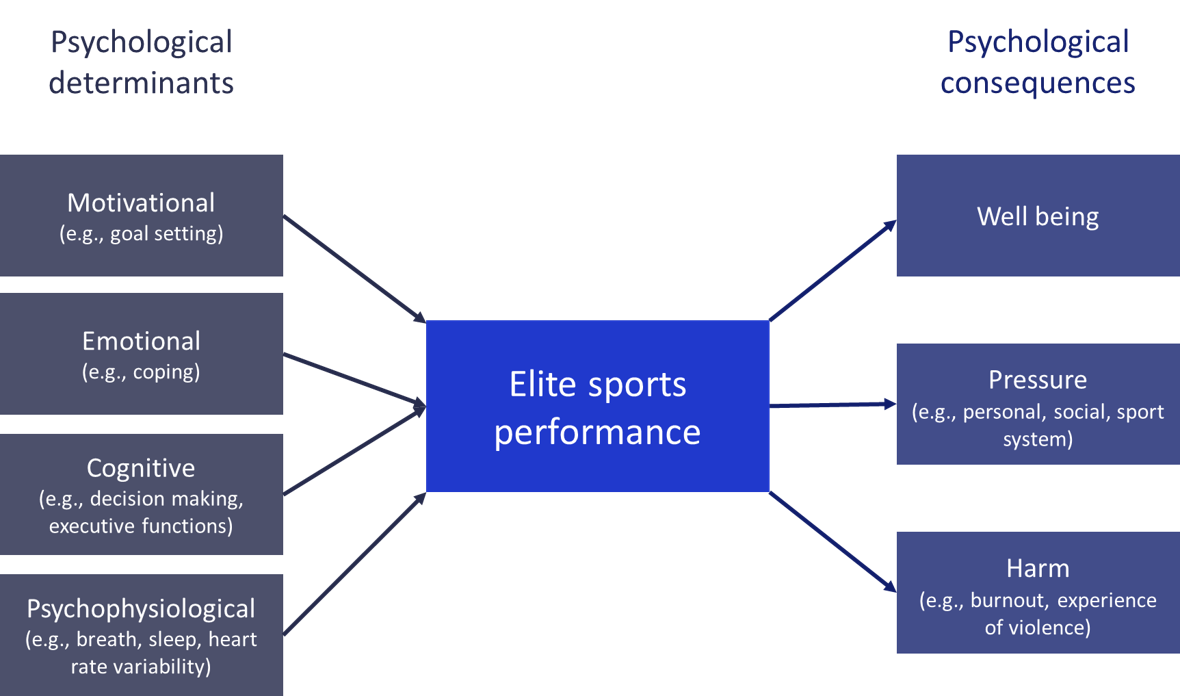
This authenticity appears to unlock performance rather than hinder it. Athletes who embrace their full emotional range, including negative emotions and unfiltered reactions, often perform better than those who maintain rigid emotional control. Shiffrin's journey from Beijing's perfectionist pressure to Milan-Cortina's authentic expression follows this pattern exactly.
Redefining Pressure as Privilege
The transformation in Shiffrin's approach becomes clear when examining her pre-race mindset in Milan-Cortina. Instead of skiing not to lose, she skied to express everything she had learned about herself and her sport over 12 years. The pressure she once felt as burden had become fuel for peak performance.
"I felt proud before it happened," she said—a statement that reveals the mental breakthrough. Pride wasn't contingent on results anymore. It existed independent of medals, based on the journey itself and her willingness to continue pushing boundaries despite past failures.
This shift from external validation to internal satisfaction represents the highest level of athletic maturity. Elite sports psychology calls it "process orientation"—focusing on execution rather than outcomes. But Shiffrin's version goes deeper: she had learned to find meaning in the attempt itself, regardless of results.
The 12-year gap between slalom golds wasn't lost time—it was the education that made the second gold possible.
The Authenticity Advantage
Shiffrin's candid celebration reflects a broader trend in sports where audiences increasingly value authenticity over polish. Her F-bomb went viral not because it was shocking, but because it was real. In an era of calculated social media presence and corporate-speak interviews, genuine emotion cuts through the noise.
This authenticity extends beyond celebrations to competition itself. The skier who dominated Milan-Cortina's slalom was the same person who cursed at the finish line—no separation between public and private self, no energy wasted maintaining a false image. That integration of identity may be the secret weapon that separated her from competitors by 1.5 seconds.

Modern sports fans connect with athletes who show their humanity alongside their excellence. Shiffrin's moment of raw celebration didn't diminish her achievement—it amplified it by showing the real person behind the performance. The curse word became shorthand for everything she had overcome to reach that moment.
The Gold Medal That Wasn't About Gold
Shiffrin's Milan-Cortina victory teaches us that the most profound athletic achievements often have little to do with the final score. Her 1.5-second margin of victory was impressive, but her 12-year journey to authenticity was transformative. The gold medal was just the external symbol of an internal breakthrough.
The lesson extends beyond sports. In any high-pressure field, the path to peak performance runs through authenticity rather than around it. Trying to be perfect creates the very tension that prevents excellence. Embracing imperfection—including the occasional F-bomb—creates space for genuine achievement.
When Shiffrin returns to competition, she'll carry more than just another gold medal. She'll carry the knowledge that her best performance came not when she tried to be perfect, but when she finally allowed herself to be completely, authentically human. Sometimes the greatest victories are measured not in seconds, but in the courage to curse when the moment calls for it.