Empty Seats Are Your Golden Ticket: Why Airlines' Desperation Creates Traveler Paradise
The counterintuitive economics behind today's historic travel deals and how to separate genuine bargains from elaborate traps.
Every empty airplane seat represents roughly $300 in lost revenue that can never be recovered. Unlike a hotel room that can be sold tomorrow night, once that plane door closes, that inventory vanishes forever. This simple economic reality has created the most favorable travel booking environment in years, where airlines and hotels are practically giving away seats and rooms rather than flying or operating them empty.
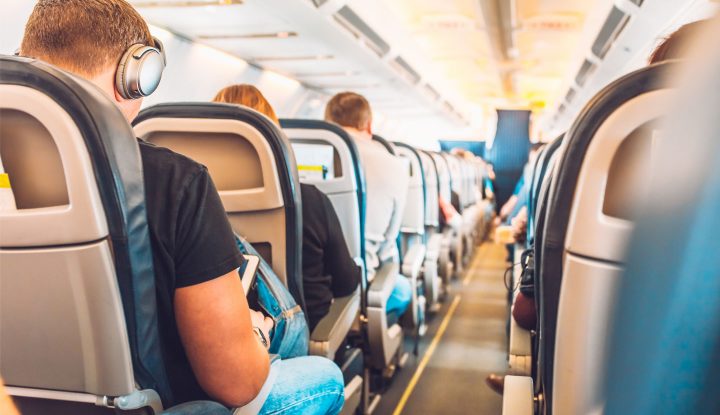
The travel industry calls this "distressed inventory," and it's reaching unprecedented levels. Airlines are sitting on millions of unsold seats, while hotels face occupancy rates that haven't recovered to pre-2020 levels in many markets. The result is a pricing war that benefits consumers who understand the game.
But here's where it gets interesting. Not all deals are created equal, and the industry has perfected the art of making terrible offers look irresistible.
The Revenue Management Revolution That Changed Everything
Modern airline pricing operates on a principle called dynamic revenue management, where algorithms adjust prices hundreds of times per day based on demand, competition, and seat availability. When a flight is undersold close to departure, these systems can slash prices by 70% or more in desperation.
This wasn't always the case. Before sophisticated revenue management systems emerged in the 1980s, airlines used simple, static pricing structures. A seat cost what it cost, regardless of demand. Today's algorithms can detect that you're booking from a business district on a Tuesday morning and adjust accordingly.
The most dramatic price drops happen 14-21 days before departure, when airlines realize they've overestimated demand. During peak COVID recovery periods in 2022-2023, some domestic flights dropped from $400 to $89 in a single day as airlines scrambled to fill planes.
Airlines would rather sell a seat for $50 than fly it empty for $0. The marginal cost of adding one passenger to an existing flight is minimal, while the opportunity cost of an empty seat is enormous.
Hotels operate under similar principles but with a crucial difference: they can offer the same room again tomorrow. This creates different pricing patterns, with hotels more willing to hold firm on rates until the last possible moment.
Where the Real Deals Hide (And Where They Don't)
Genuine last-minute deals cluster in predictable places. Tuesday afternoon domestic flights, particularly on routes with multiple daily departures, see the steepest discounts. Airlines know business travelers avoid these slots, creating inventory pressure.

Hotel deals follow different patterns. Luxury properties in business districts offer the deepest weekend discounts, sometimes 60-80% off rack rates. A $400 downtown hotel room in Chicago regularly sells for $120 on Saturday nights when business travelers disappear.
The trap deals are equally predictable. "Last-minute" packages on major booking sites often aren't discounted at all, just bundled confusingly to obscure the real price. Expedia's "Tonight Only" hotel deals, for example, frequently match prices available through direct booking with the hotel.
Package deals represent the biggest scam territory. That "$299 flight + hotel" offer usually breaks down to full price for both components, sometimes even higher than booking separately. The Federal Trade Commission's new Junk Fees Rule, which went into effect in December 2024, targets these deceptive bundling practices, but enforcement remains spotty.
The Booking Window Sweet Spot
Data from airline revenue management systems reveals a counterintuitive truth: the absolute last-minute isn't when you find the best deals. Airlines save truly distressed inventory for their own channels and preferred customers.
The optimal booking window has shifted dramatically. For domestic flights, 14-28 days out now produces better prices than same-day booking in most cases. International flights peak at 45-60 days for economy, but business class deals often appear 10-14 days out when airlines realize they've oversold economy and need to encourage upgrades.
Hotels show more dramatic last-minute drops, but only for non-guaranteed inventory. HotelTonight and similar apps access rooms that hotels prefer to sell directly rather than through traditional channels. These aren't distressed rates, they're strategic ones.
The key insight: genuine distress sales happen quietly. If a deal is heavily marketed, it's probably not distressed inventory. Real emergency pricing appears without fanfare on airline websites or through specialized alerts.
Platform Wars and the Hidden Fee Minefield
The booking platform you choose dramatically affects both the deals available and the hidden costs attached. Direct airline booking consistently produces the cleanest pricing, while third-party sites layer on fees that can double your final cost.
Booking.com recently drew consumer complaints for "resort fees" that don't exist, charging $150 in mysterious fees on a $200 hotel booking. These phantom charges exploit the complexity of travel pricing to extract additional revenue.
Online travel fraud reached $1 trillion globally in 2024, according to Congressional investigators. Much of this involves fake booking sites that mimic legitimate platforms but charge for non-existent reservations. The red flags are consistent: prices significantly below market rates, pressure to book immediately, and payment only through wire transfers or cryptocurrency.
The golden rule of travel booking: if a deal requires you to act within minutes or pay through unusual methods, it's designed to exploit urgency rather than offer genuine value.
Legitimate last-minute deals allow normal payment methods and reasonable consideration time. Real airlines and hotels want your future business more than they want to trick you once.
The Smart Money Strategy
Professional travel hackers use a simple system to separate real deals from elaborate traps. First, they establish baseline pricing by checking the same route or hotel directly with providers. This creates a reference point against which to measure "deals."
Second, they understand seasonal patterns. January domestic flights genuinely cost less because fewer people travel post-holidays. This isn't a marketing gimmick, it's supply and demand. Airlines reduce capacity and offer legitimate discounts to maintain load factors.

Third, they book refundable when possible or understand cancellation policies completely. The current environment rewards flexibility. Hotels and airlines are waiving change fees to encourage bookings, creating opportunities to upgrade deals later.
The most successful approach treats booking like a negotiation. Airlines and hotels want your money more than they want to maintain artificial scarcity. Empty inventory costs them money every day it remains unsold.
Start by monitoring prices for your intended route or destination over several weeks. Real distressed inventory creates patterns you can recognize. When genuine desperation pricing appears, it's unmistakable. A $800 flight that drops to $200 isn't playing pricing games, it's trying to recover something rather than nothing.
The current travel market rewards informed consumers who understand the difference between genuine desperation and marketing theater. Empty seats and rooms represent real costs to providers, creating authentic opportunities for travelers willing to do basic research. The deals are real, but so are the traps. Choose wisely.