The Dumpling Lasagna Revolution: Why Food Fusion Is Finally Getting Real
Home cooks are ditching authenticity theater for genuine experimentation, and the results taste better than expected.
A ground pork mixture layered with scallions gets topped with a frozen dumpling, then the whole thing gets submerged in broth inside a coffee mug. Twenty minutes in the oven later, you've got what TikTok calls "dumpling lasagna." It sounds ridiculous. It also happens to be delicious.

This isn't your grandmother's fusion cuisine. There's no white tablecloth, no chef explaining the "inspiration from my travels," no $28 price tag. Just home cooks on social media grabbing frozen dumplings from Trader Joe's and seeing what happens when you treat them like pasta sheets.
The trend reveals something bigger than a viral recipe. American home cooking is experiencing a quiet revolution, moving away from what food writers call "authenticity theater" toward genuine experimentation. And it's producing better food.
The End of Authenticity Theater
For decades, fusion cuisine meant restaurants charging premium prices for "Asian-inspired" dishes that often missed the mark. Chefs would drop buzzwords about "honoring tradition" while creating dishes that satisfied neither authenticity purists nor adventurous eaters. The result was expensive mediocrity dressed up in cultural costume.
Home cooks are taking a different approach. They're not trying to impress anyone or prove their cultural credentials. They're just experimenting with what's in their fridge and pantry, sharing results on social media, and iterating based on what actually tastes good.
@cookingwithaila, who helped popularize dumpling lasagna, doesn't claim to be reinventing Italian or Chinese cuisine. She's just layering flavors that work together: savory pork, umami from soy sauce, the comfort of wrapped dough in warm broth. The technique borrows from both traditions without appropriating either.

This shift reflects a broader cultural change. Food authenticity gatekeeping, once wielded by professional critics and self-appointed cultural guardians, is losing its power. When anyone can post a recipe video that gets millions of views, the conversation changes from "Is this authentic?" to "Does this taste good?"
The Science of What Actually Works
Not all fusion experiments succeed, but the ones that go viral share common elements. Dumpling lasagna works because it combines complementary umami flavors, contrasting textures, and familiar comfort food structures. The dumpling wrapper provides the same satisfying chew as pasta, while the pork and soy sauce mixture delivers the rich, savory base that makes lasagna addictive.
Successful fusion relies on what food scientists call "flavor bridging." Ingredients that share chemical compounds taste harmonious together, even when they come from different culinary traditions. Garlic appears in both Italian and Chinese cooking. Ginger and herbs create aromatic foundations across cultures. Smart fusion finds these natural bridges rather than forcing unlikely combinations.
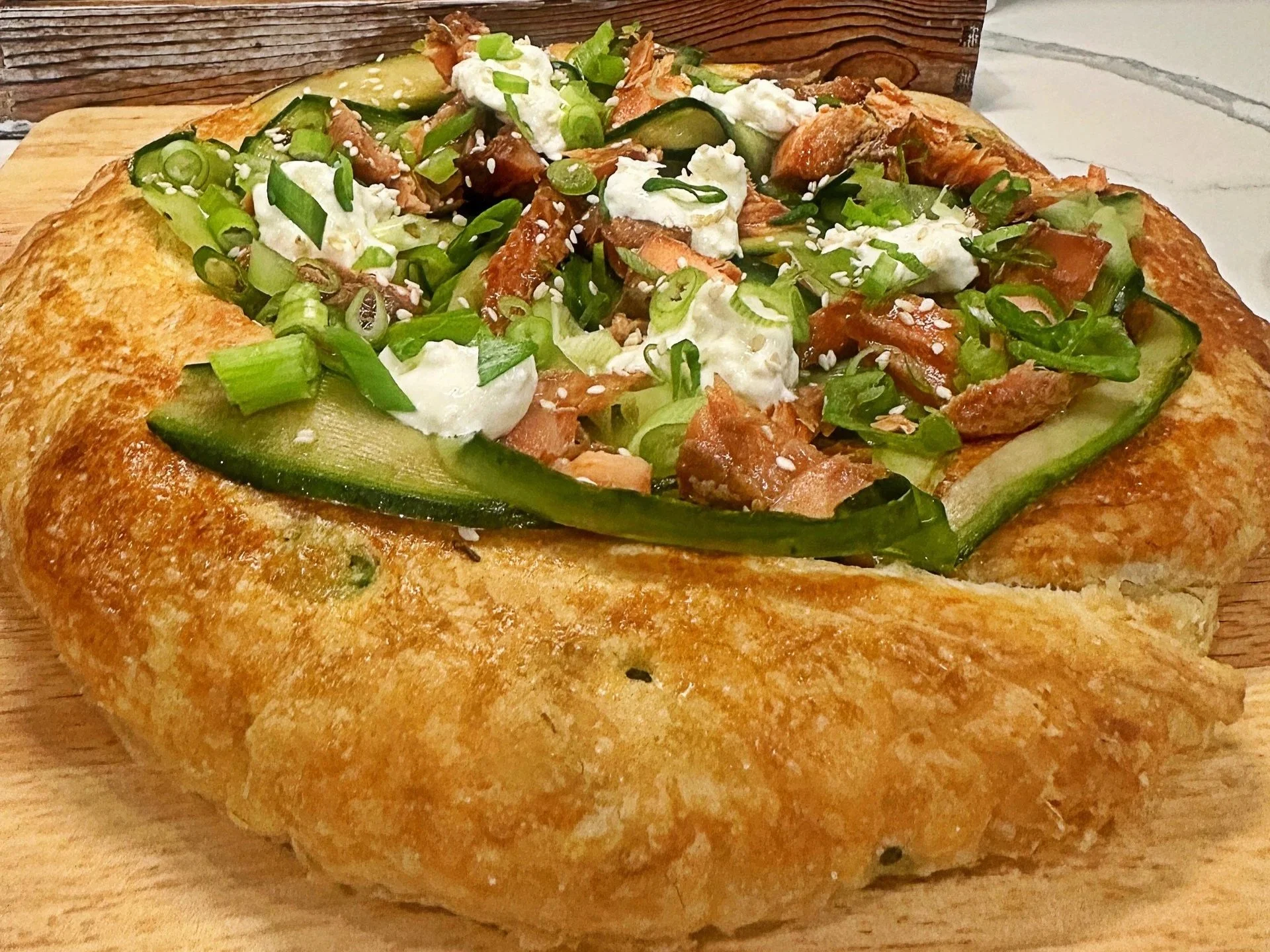
The best viral fusion recipes also solve practical problems. Dumpling lasagna addresses the eternal question of what to do with frozen dumplings besides steaming them. Scallion pancake pizza gives leftover pancakes new life while satisfying pizza cravings with ingredients you might already have.
"The quality and authenticity of food are independent of where and by whom it is made. Sometimes there are differences in taste between a dish prepared here as opposed to its country of origin, but that doesn't make it less valid."
This practical approach differs markedly from restaurant fusion, which often prioritizes visual presentation and concept over flavor. Home cooks care less about Instagram-worthy plating and more about whether something tastes good enough to make again.
The Democratization of Culinary Experimentation
Social media has democratized culinary innovation in ways that traditional food media never could. A home cook in suburban Ohio can create a fusion technique that influences kitchens worldwide within days. No culinary school credentials required, no restaurant needed.
This democratization has produced more interesting fusion than most professional kitchens. When @magsspicedkitchen posts her dumpling lasagna variation, she's not trying to build a brand or justify a price point. She's sharing what worked in her kitchen, complete with honest commentary about what didn't work in previous attempts.
The feedback loop is immediate and honest. If a fusion recipe tastes terrible, the comments section will let you know quickly. If it works, thousands of people will try their own versions and share improvements. This crowd-sourced iteration produces better results than any chef working in isolation.
Professional chefs are taking notice. Many are abandoning the pretentious fusion approach that dominated high-end dining for years. Instead, they're embracing the experimental spirit of home cooks, focusing on flavor combinations that actually work rather than concepts that sound impressive on a menu.
Why Some Combinations Click and Others Don't
The viral success of dumpling lasagna wasn't random. It works because both dumplings and lasagna are comfort foods built around similar principles: savory filling, starchy wrapper, warm and satisfying. The fusion feels natural because the underlying food logic aligns.
Failed fusion attempts usually ignore these underlying principles. Putting kimchi on pizza might sound creative, but the fermented funk of kimchi often clashes with melted cheese and tomato sauce. The flavors fight each other instead of building harmony.

Successful combinations share what food scientists call "flavor compatibility." They might contrast in texture while complementing in taste, or share similar flavor compounds while offering different mouthfeel experiences. The prawns and chive version of dumpling lasagna works because seafood and herbs create a lighter profile while maintaining the comforting structure.
Temperature and timing matter too. Hot broth activates the aromatics in the pork mixture while the dumpling wrapper softens to the perfect texture. Serve it cold and you lose the magic. These details matter more than cultural authenticity.
The New Rules of Fusion
This wave of home fusion operates by different rules than restaurant fusion cuisine. First, accessibility trumps authenticity. If a recipe requires ingredients from three different specialty stores, it won't go viral among home cooks. Successful fusion uses readily available ingredients in unexpected ways.
Second, technique matters more than tradition. Dumpling lasagna isn't about combining Chinese and Italian cultures. It's about applying lasagna-building techniques to dumpling flavors. The cultural context becomes secondary to the cooking method.
Third, iteration beats perfection. Home cooks share works in progress, not finished masterpieces. They post versions that need improvement, ask for suggestions, and refine based on feedback. This collaborative approach produces better results than any single chef's vision.

"Fusion cuisine focuses on balancing bold flavors and effective combinations, creating refined dishes that showcase global influences while maintaining culinary coherence."
Finally, flavor honesty rules. If something tastes weird, home cooks admit it. They don't hide behind cultural significance or artistic vision. This brutal honesty creates better food because it forces constant improvement.
What This Means for the Future of Cooking
The dumpling lasagna phenomenon signals a broader shift in how Americans approach cooking at home. We're moving away from rigid adherence to traditional recipes toward confident experimentation. This change is producing more interesting food and more engaged home cooks.
Professional kitchens are adapting to this new reality. Restaurants that insist on "authentic" preparation while ignoring whether the food actually tastes good are losing relevance. Diners who experiment freely at home won't pay premium prices for mediocre fusion in restaurants.
The trend also reflects changing demographics and global connectivity. Home cooks have access to ingredients and techniques from around the world. They're creating new food traditions in real-time, unfettered by the gatekeeping that once controlled culinary innovation.

This shift promises more interesting eating ahead. When millions of home cooks experiment freely and share results immediately, culinary innovation accelerates. The next viral fusion trend might emerge from any kitchen, anywhere, at any time.
The lesson isn't that authenticity doesn't matter. It's that authenticity shouldn't be a prison that prevents delicious experimentation. The best fusion respects the flavors and techniques it borrows while creating something genuinely new.
So grab some frozen dumplings and see what happens. The worst that can happen is you waste twenty minutes and a few ingredients. The best that can happen is you create something delicious enough to share with the world.