The Copycat Food Trend That's Actually Exposing Why Restaurant Chains Are Winning
Why millions of people would rather reverse-engineer Taco Bell at home than just order it reveals something profound about modern dining.
A woman in Kentucky spent three hours last Tuesday perfecting a homemade version of McDonald's Big Mac sauce. She documented every attempt on TikTok, meticulously adjusting ratios of mayonnaise, sweet pickle relish, and yellow mustard until she nailed what she called "that exact tangy-sweet flavor." Her video garnered 2.3 million views. The nearest McDonald's was 12 minutes away.

This scene plays out thousands of times daily across social media platforms. The #copycatrecipes hashtag on TikTok has exploded into a universe of home cooks reverse-engineering everything from Chipotle's cilantro lime rice to KFC's 11 herbs and spices. What started as budget-conscious cooking has evolved into something more revealing about why restaurant chains have become so dominant in American food culture.
The trend isn't really about saving money or convenience. It's about control.
The Science of Craving What We Can't Control
Food scientists have long understood that the most addictive flavors combine specific ratios of salt, sugar, fat, and umami in ways that trigger what researchers call the "bliss point." Restaurant chains spend millions perfecting these formulations. Taco Bell's nacho cheese sauce, for instance, contains 23 different ingredients, including multiple forms of sodium and three types of artificial flavoring agents.
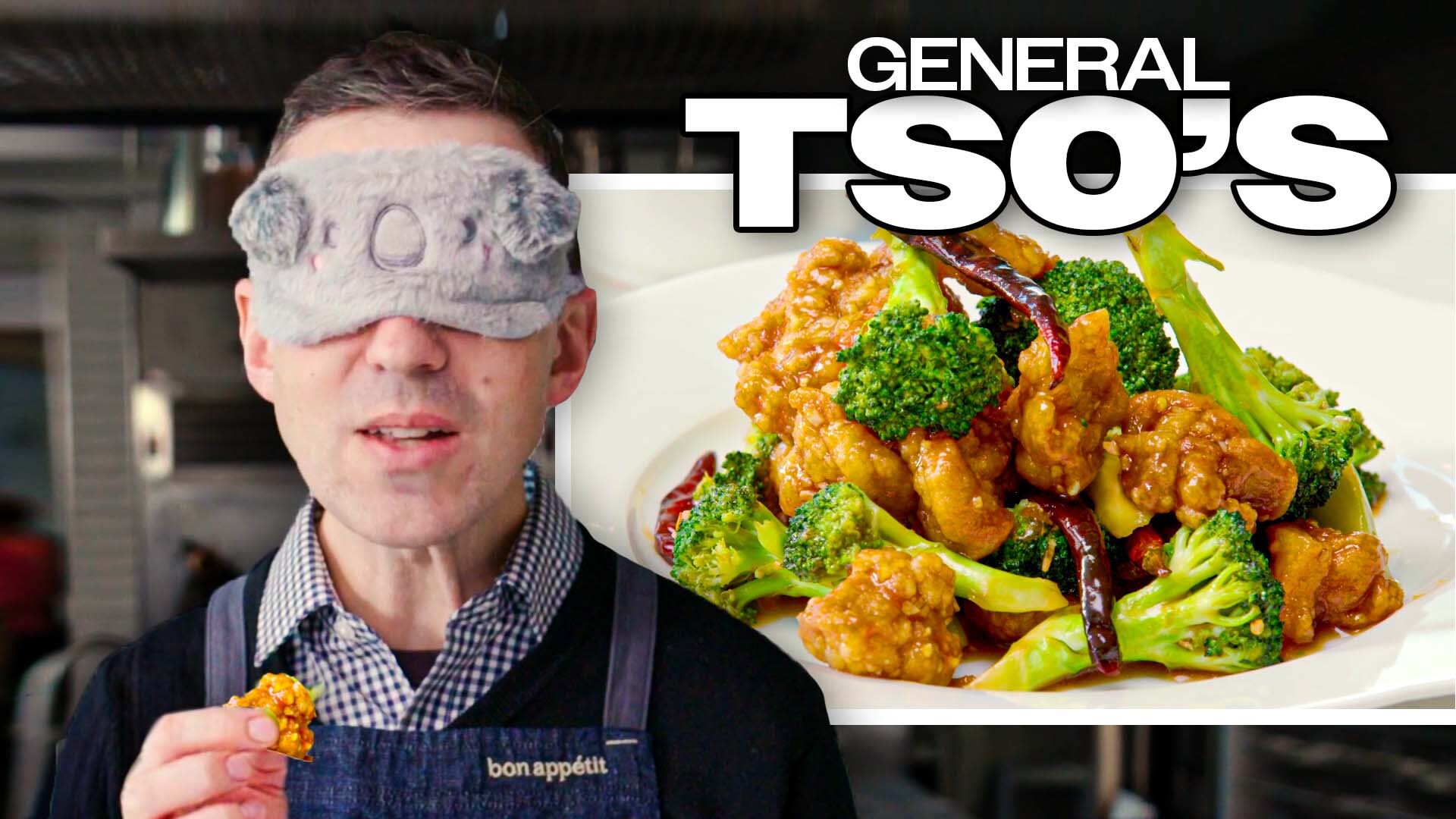
When home cooks attempt to recreate these products, they're essentially conducting reverse engineering experiments. Food scientist Ali Bouzari explains that most processed foods contain additives that create texture, preserve flavor, and enhance mouthfeel in ways that simple home ingredients cannot replicate. Yet the attempt itself reveals something profound about our relationship with industrial food.
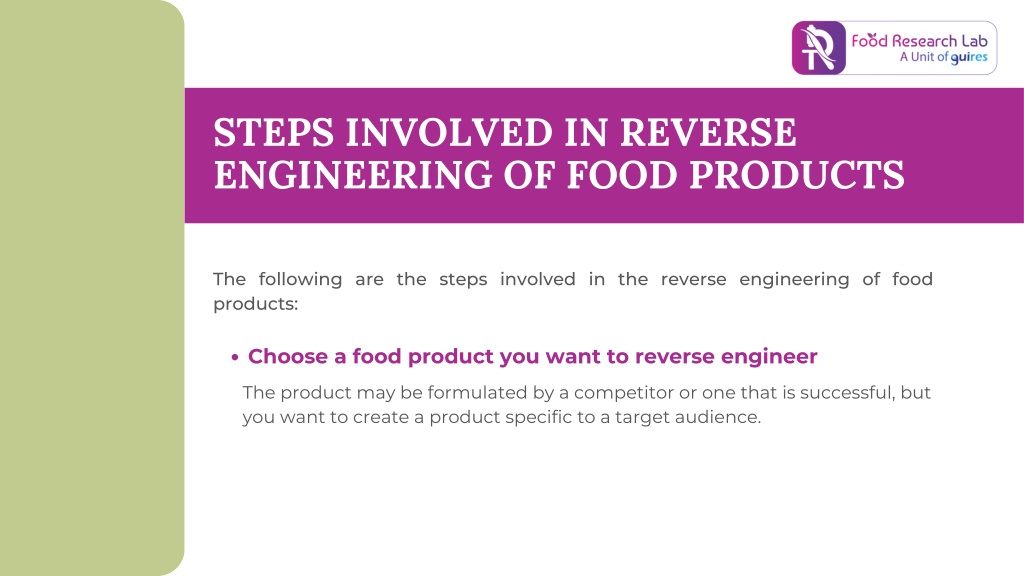
"We combine ingredients to get the final product. Now, food scientists are doing it backwards," notes a recent analysis of the reverse engineering trend. The process has become its own form of entertainment, turning kitchen experimentation into content creation.
"In order to perfectly replicate the taste of their favourite dish, consumers are often willing to buy a branded product, even if similar alternatives exist."
This willingness extends beyond purchasing decisions. Home cooks will spend $30 on specialty ingredients to recreate a $5 fast food item, not because it makes economic sense, but because the process provides something the original transaction cannot: agency.
Why Chains Win Even When We Think We're Beating Them
Restaurant loyalty programs have become billion-dollar retention machines precisely because they understand this psychological dynamic. Deloitte research shows that consumers have developed an genuine appetite for restaurant loyalty programs, with chains leveraging these relationships to drive repeat visits through experiential and emotional engagement.

Fast-food chains are finding loyalty rewards vital for staying competitive and retaining customers, according to recent Business Insider analysis. But the copycat trend reveals a more complex relationship. When someone spends three hours perfecting Chick-fil-A sauce at home, they're not rejecting the brand. They're deepening their connection to it.
The most successful restaurant chains have recognized this dynamic and begun sharing selected recipes with consumers. This apparent transparency is actually strategic opacity. By revealing some formulations while protecting others, they create a tiered system of access that makes the "secret" elements feel more valuable.
Consider KFC's famous "11 herbs and spices." The company has released partial ingredient lists and cooking techniques over the years, but never the complete formulation. This maintains mystique while giving home cooks enough information to attempt recreation. The failure to perfectly replicate the original often drives customers back to the restaurant with renewed appreciation for the "authentic" version.
The Economics of Food Nostalgia
The copycat recipe phenomenon intersects with what economists call "manufactured nostalgia." Restaurant chains have successfully positioned their products as comfort foods tied to specific memories and experiences. When people recreate these items at home, they're attempting to capture not just flavors, but emotional states.
A typical copycat recipe attempt involves purchasing multiple specialty ingredients that may never be used again. Making Olive Garden's alfredo sauce at home might require heavy cream, specific imported cheeses, and particular seasonings that cost $25 collectively. The restaurant version costs $16 and comes with unlimited breadsticks and salad.
Yet the economic inefficiency is precisely the point. The investment in time, money, and effort transforms a simple meal into a project with personal stakes. Success feels like a victory over corporate food systems. Failure creates appreciation for the original's complexity.
Food blogs and social media have monetized this dynamic brilliantly. Recipe developers create content around "cracking the code" of popular restaurant dishes, generating millions of views from people who could simply drive to the restaurant instead. The journey has become more valuable than the destination.
What This Reveals About Modern Dining Culture
The copycat trend exposes a fundamental tension in how Americans relate to food in 2024. We simultaneously crave convenience and authenticity, standardization and personalization, efficiency and craftsmanship. Restaurant chains have mastered the first element of each pair, creating consistent, fast, affordable meals that taste identical whether ordered in Maine or California.
But this standardization has created a hunger for its opposite. Home cooks attempting to recreate restaurant food aren't really trying to replace it. They're trying to understand it, control it, and ultimately make it their own. The process satisfies a creative urge that ordering cannot.
The most telling aspect of the trend is how often copycat attempts result in "improvements" to the original. Home cooks will recreate Panera's broccoli cheddar soup, then modify it with fresher vegetables, less sodium, or different cheese varieties. They're not just copying; they're iterating.
"Thus, today I want to show you the method I use to reverse engineer any boxed, canned, or packaged food and make it from scratch so that anytime you want to enjoy your favorite store-bought, packaged foods, you can easily make a healthy, additive-free version."
This modification impulse reveals the deeper appeal of copycat cooking. It's not really about recreating restaurant food. It's about reclaiming agency in a food system that has become increasingly automated and anonymous.
The Future of Food Replication
Restaurant chains are beginning to recognize the copycat trend as a form of unpaid product development. When millions of people attempt to recreate their recipes, they generate massive data about which flavors resonate most strongly and which elements customers want to modify.
Some chains have started releasing official "simplified" versions of their recipes for home cooking, maintaining brand engagement while protecting core intellectual property. Others have partnered with grocery retailers to sell branded ingredients that allow home cooks to recreate restaurant experiences more authentically.
The trend also signals a broader shift in how younger consumers relate to brands. Rather than passive consumption, they want participatory engagement. They don't just want to eat the food; they want to understand it, modify it, and ultimately own their version of it.
This desire for food transparency and control will likely push more restaurants toward greater recipe sharing and ingredient disclosure. The companies that successfully navigate this shift will find ways to maintain mystique while satisfying curiosity, creating deeper customer relationships through controlled vulnerability.
The Real Recipe for Success
The copycat food trend ultimately reveals that restaurant chains aren't winning because their food is irreplaceable. They're winning because they've created experiences and emotional connections that transcend simple nutrition. When someone spends an afternoon recreating Taco Bell's Mexican Pizza at home, they're not competing with Taco Bell. They're celebrating it.
The most successful food brands moving forward will be those that recognize copycat cooking as fan engagement rather than competitive threat. They'll find ways to support and monetize this behavior while maintaining the elements that make the original special.
For home cooks, the trend offers something more valuable than perfect recipe replication: the satisfaction of understanding how favorite foods work, the creativity of making them your own, and the connection that comes from participating in a shared cultural experiment. Sometimes the best way to appreciate what restaurants do is to try doing it yourself.
The woman in Kentucky never did get her Big Mac sauce exactly right. But she learned something more valuable: why she loves the original, and how to make something entirely her own.