The Coffee Revolution: How Chef-Driven Shops Are Beating Starbucks at Its Own Game
Independent coffee shops are growing 3.2% annually while casual dining struggles, and brands like Southern Grounds are showing why 'funky vibes' matter more than corporate efficiency.
While Texas Roadhouse celebrates a 14.7% sales surge and nine of the top 20 casual dining chains watch their numbers decline, a quiet revolution is brewing in America's coffee shops. Independent coffee shops are growing at 3.2% annually—faster than Starbucks' domestic growth—and brands like Southern Grounds are positioning themselves as the antidote to corporate coffee's soulless efficiency.
The Numbers Don't Lie: Independent Coffee Is Winning
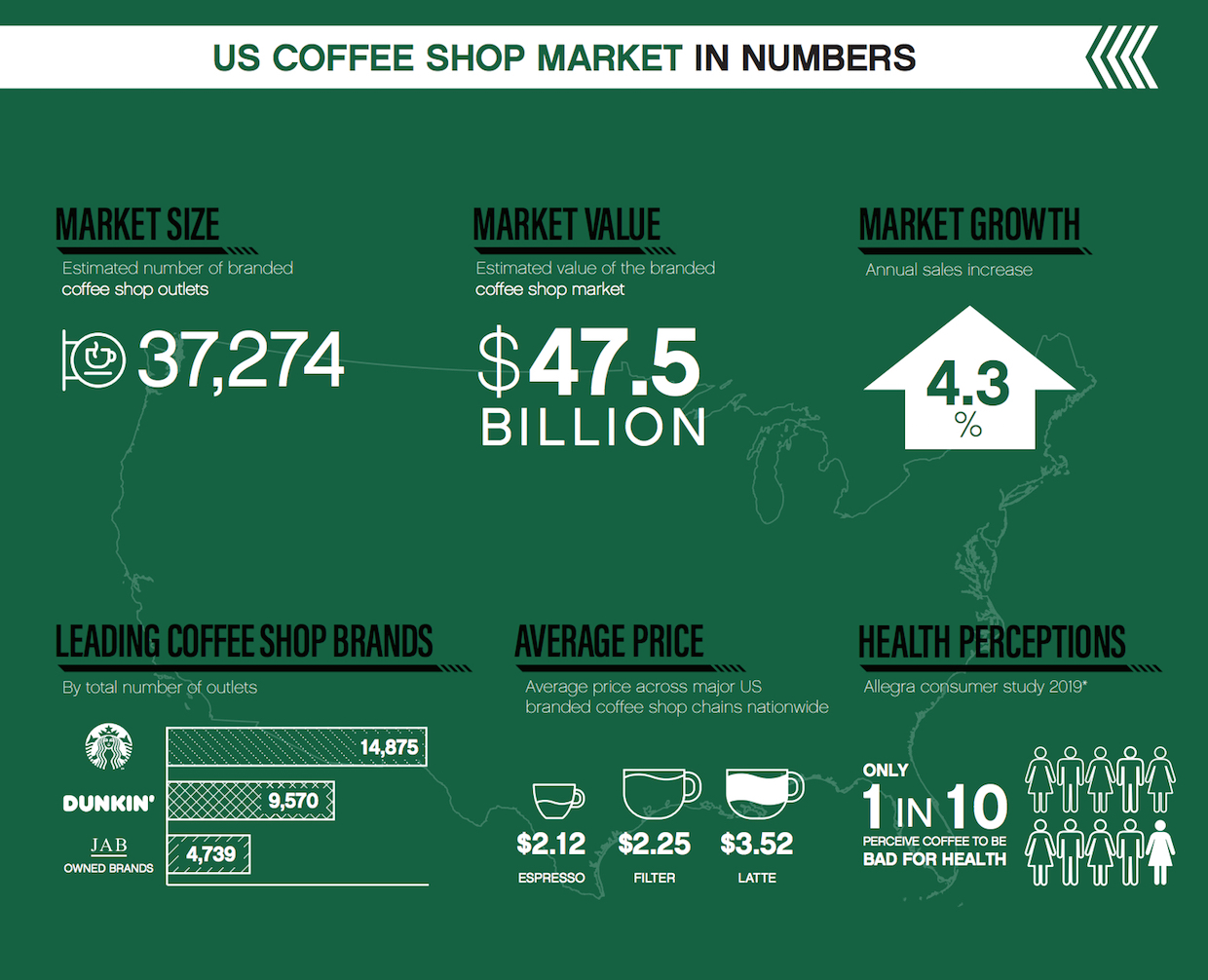
The data tells a story that would make any corporate executive nervous. Across America, 64,697 independent coffee shops are thriving while casual dining hits the reset button. The average ticket at independent shops has jumped to $8.47, up from $7.82 last year—a clear signal that customers are willing to pay more for authenticity.
New York City leads with 4,231 independent shops, followed by Los Angeles with 3,847, and Seattle with 1,892. These aren't just coffee counters; they're community hubs where 20% of orders now come through mobile platforms, proving that independent doesn't mean outdated.
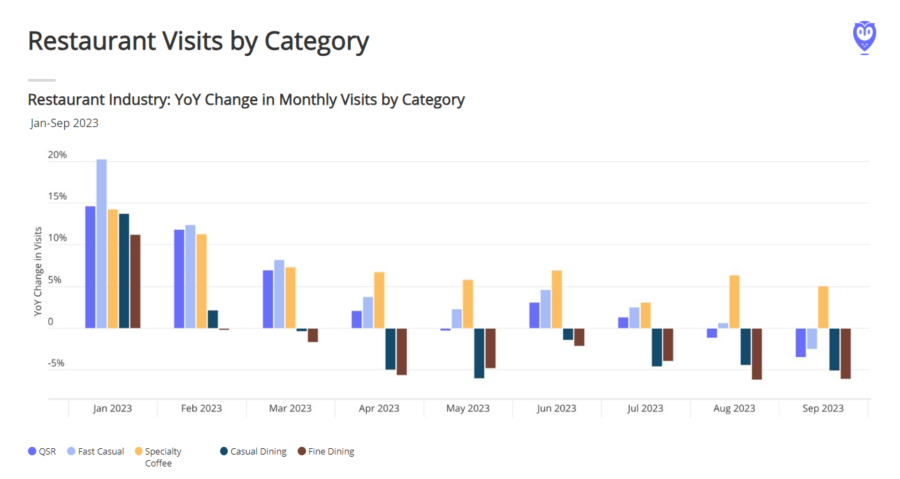
The contrast with traditional casual dining is stark. While the casual dining segment managed only 1.4% sales growth in 2024 with traffic falling 1%, specialty coffee shops have maintained steady momentum. Even the return-to-office trend has boosted specialty coffee more than other restaurant categories.
Southern Grounds: The Anti-Starbucks Strategy
Enter Southern Grounds, a brand that's betting big on being everything Starbucks isn't. Their mission statement reads like a direct challenge to corporate coffee: "We want to open 125 units in the Southeast in the next 10 years but still ensure each location feels like a collection of curated coffee houses."
Southern Grounds aims to be a bridge between Starbucks and First Watch, combining high-end coffee, chef-driven food, and a funky vibe that flows from genuine community connection.
The brand recently signed a 9-unit deal for Tampa and St. Petersburg, positioning itself as more than just a coffee shop—it's a "lifestyle brand committed to providing guests a home away from home." This isn't marketing speak; it's a fundamental shift in how coffee businesses think about their role in customers' lives.
Why 'Funky Vibes' Actually Matter
The phrase "funky vibe" might sound like hipster nonsense, but it represents something deeper: the rejection of corporate homogenization. Research from independent coffee shops in Guangzhou found that customer behaviors and perceived value differ significantly between chain and independent shops, with independents scoring higher on customer satisfaction.
This isn't about aesthetic preference—it's about emotional connection. Independent shops create what researchers call "organizational citizenship behavior" among customers, where patrons become informal ambassadors for the brand. Try finding that level of emotional investment at your average Starbucks.
The trend extends beyond coffee. Specialty coffee shops are driving growth through innovative menu options like cold brews and nitro coffees, while aligning with consumer values around sustainability and personalization. Coffee subscriptions continue their success story, proving that demand for personalized experiences is here to stay.
The Technology-Community Balance
Independent coffee shops are mastering something corporate chains struggle with: using technology to enhance rather than replace human connection. Mobile ordering accounts for 20% of transactions at independents with ordering systems, but these shops maintain the personal touch that keeps customers coming back.
The rise of plant-based milk options, health-conscious drinks, and popular food pairings shows how independents can pivot quickly to meet consumer trends without waiting for corporate approval from headquarters. When your decision-maker is the person behind the counter, adaptation happens at the speed of conversation.
Southern Grounds exemplifies this balance by positioning their locations as "spaces that feel like home" while building a franchise system designed for scalability. They're proving you can systematize the business side without sanitizing the soul.
What This Means for Your Local Coffee Spot
The implications reach far beyond coffee. As casual dining chains struggle with declining traffic and rising costs, the independent coffee model offers a blueprint for success: prioritize community over efficiency, authenticity over consistency, and personality over polish.
The chef-driven food movement in coffee shops represents a broader trend toward experiential dining. Customers aren't just buying caffeine; they're purchasing membership in a community, a story they can tell, and an experience they can't get from an app.
The fastest-growing segment in casual dining isn't trying to be everything to everyone—it's trying to be something special to someone.
For existing coffee shop owners, the message is clear: the market rewards authenticity over automation. Your local quirks aren't bugs to be fixed—they're features to be celebrated. The corporate playbook of standardized experiences and operational efficiency is being rewritten by entrepreneurs who understand that in a world of infinite digital connection, people crave genuine human spaces.
Southern Grounds' aggressive expansion plans suggest this isn't a niche trend but a fundamental shift in how Americans want to experience their daily coffee ritual. The question isn't whether your local coffee spot will ditch the corporate playbook—it's whether the corporate chains will learn to embrace the very humanity they've spent decades trying to optimize away.