CES 2026's $2 Trillion Promise: Why 80% of These Gadgets Will Never Reach Your Living Room
The data reveals how tech's biggest showcase became marketing theater instead of a genuine product pipeline.
Every January, Las Vegas transforms into Silicon Valley's most expensive stage production. CES 2026 just wrapped with the usual breathless coverage of revolutionary gadgets that will allegedly transform how we live, work, and play. But here's what the press releases won't tell you: historical data shows 80% of CES showcase products never reach mass market adoption, and those that do arrive 2-3 years late at triple the promised price.
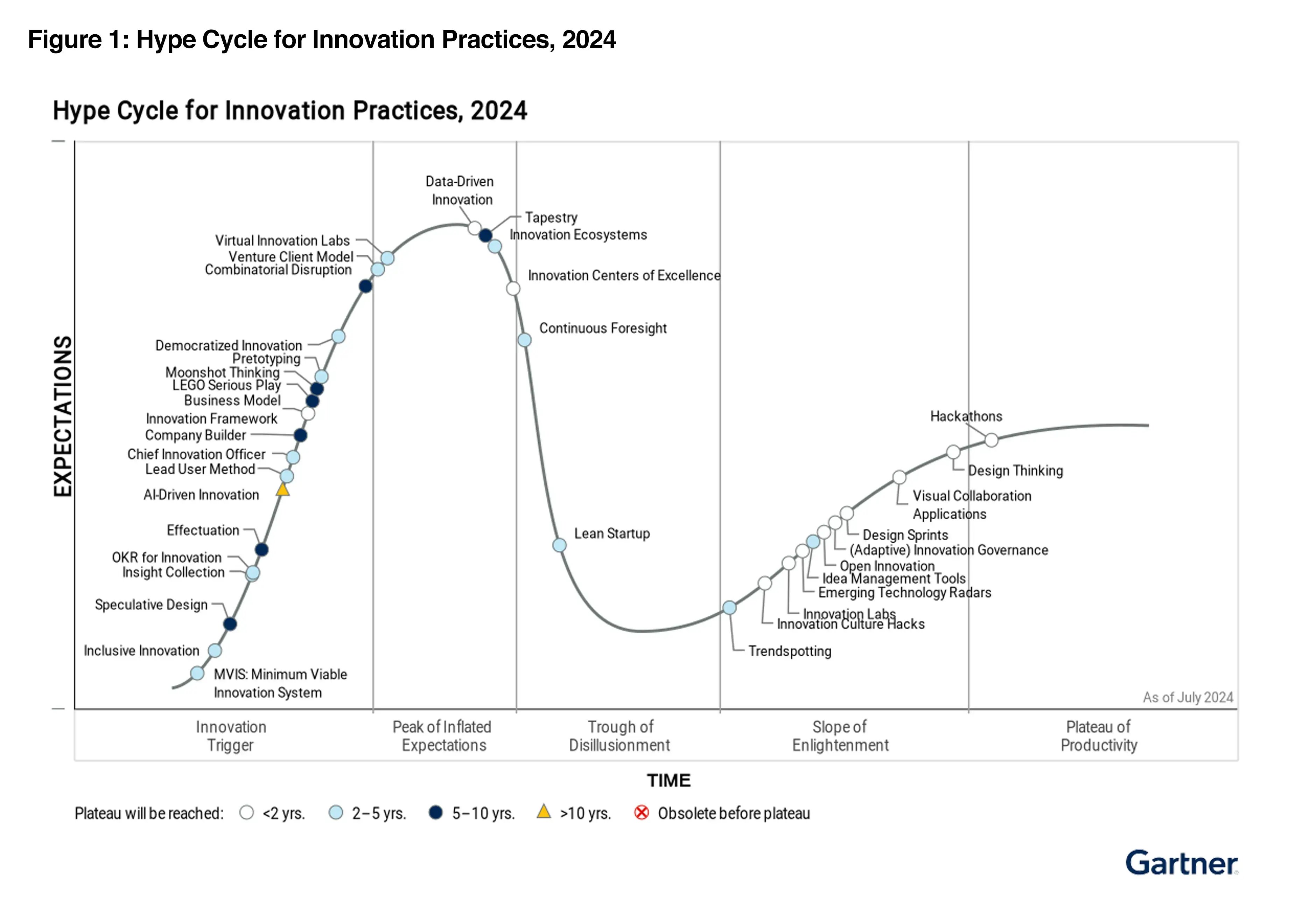
The numbers paint a stark picture. Seven years of market data shows that breakthrough technologies showcased at CES remain stuck in early adopter territory, capturing just 1-2% of smartphone sales globally. Meanwhile, the most successful consumer tech adoptions of recent years came from companies like OpenAI, Google, and Anthropic with utilitarian AI applications that bypassed the CES circus entirely.
The Marketing Theater Economy
CES has evolved from a genuine product preview into something more calculated: a $200 million marketing theater designed to generate buzz, secure funding, and placate investors. The event's social media footprint tells the story. Analysis of CES 2026 online conversations shows that brands drove engagement through spectacle rather than substance, with hashtags focusing on demos and reveals rather than actual product availability.
Consider the math behind a typical CES booth. A major tech company spends $3-5 million on their showcase space, prototype development, and media orchestration. That investment isn't designed to sell products to consumers. It's designed to sell stories to journalists, investors, and retail partners.
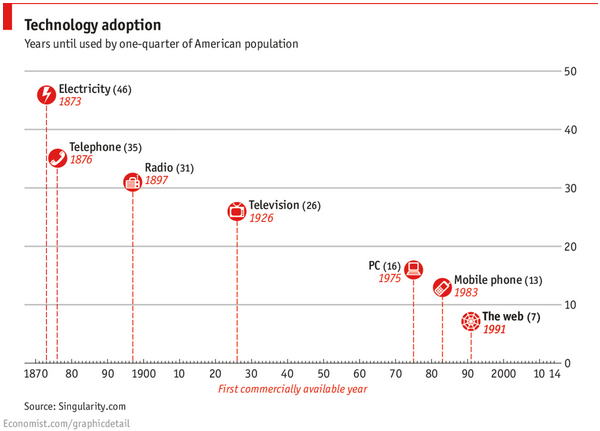
The disconnect becomes obvious when you track what happens after the Las Vegas lights dim. Products showcased with great fanfare either disappear entirely, get quietly shelved, or emerge years later as watered-down versions of their original concepts. The folding phones, AR glasses, and smart home ecosystems that dominated headlines in 2019 are still struggling for meaningful market penetration in 2026.
The AI Fatigue Factor
CES 2026 doubled down on artificial intelligence integration, with nearly every product category getting an "AI-powered" makeover. But industry analysts are documenting what they call "AI fatigue" among consumers tired of marketing buzzwords attached to marginal improvements.
By late 2024, nearly 70% of Fortune 500 companies had discovered that AI stopped being innovation and started being theater.
The reality behind AI integration at CES reveals a more complex story. Most "AI-enabled" devices showcased are running basic machine learning algorithms that have existed for years, repackaged with contemporary branding. True breakthrough AI applications, the ones actually changing how people work and communicate, came from software companies that barely participated in the CES spectacle.
This pattern exposes CES's fundamental limitation: hardware innovation cycles don't align with software breakthroughs. While companies spend years developing physical products for the show, the most transformative technologies emerge from rapid software iteration that happens in weeks, not years.
The Price Reality Check
CES pricing promises deserve particular scrutiny. Products showcased at consumer-friendly price points consistently arrive at market with dramatically different economics. The pattern is predictable: showcase prices represent best-case manufacturing scenarios at hypothetical scale, not real-world market conditions.
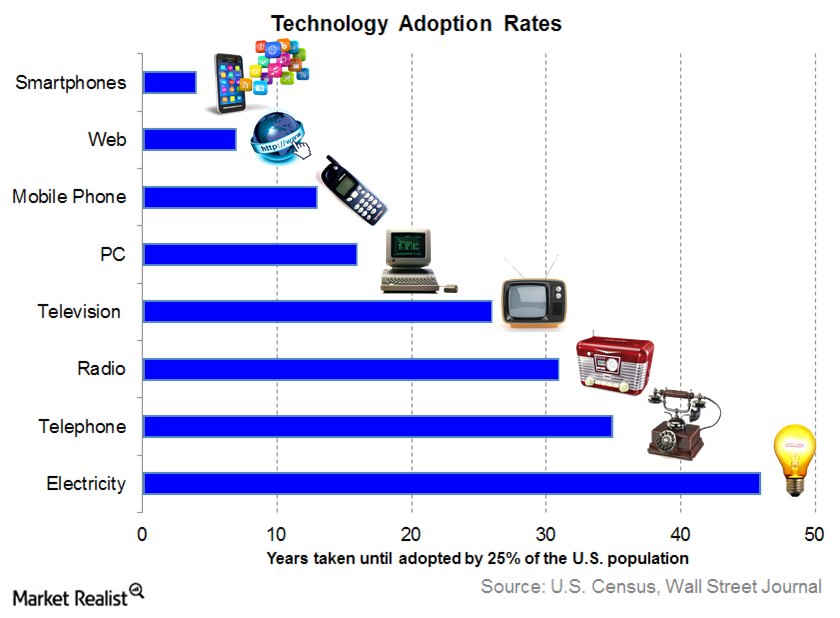
Take foldable displays, a CES staple since 2019. Initial price promises suggested $800-1200 consumer devices. Today's market reality: $1,800-2,500 for products with limited durability and software ecosystems. The gap between promise and delivery reflects manufacturing realities that CES demos conveniently ignore.
Manufacturing at scale introduces costs that prototype demonstrations can't capture. Supply chain complexity, quality control, retail margins, and warranty obligations transform $500 showcase concepts into $1,500 consumer products. These aren't failures of execution; they're predictable outcomes of economic reality.
What Actually Drives Tech Adoption
While CES focuses on hardware spectacle, the most successful technology adoptions follow a different pattern entirely. They solve immediate, obvious problems with simple implementations that work reliably from day one.
Consider the technologies that actually transformed consumer behavior in recent years: ride-sharing apps, food delivery platforms, video calling, and text-based AI assistants. None of these required new hardware. None were showcased at CES during their breakthrough years. All succeeded by making existing activities easier, faster, or cheaper.
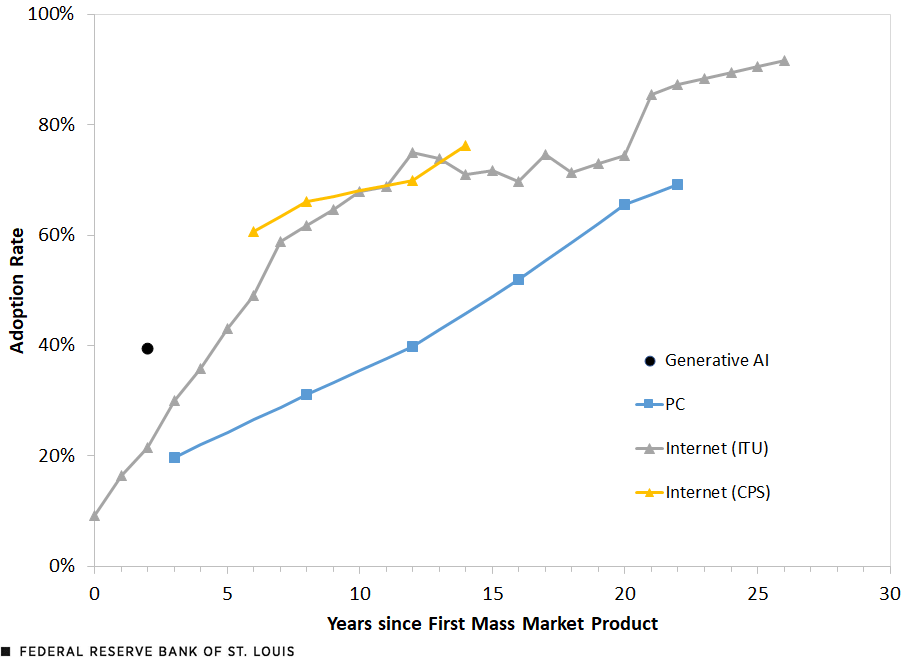
The adoption pattern reveals why CES struggles to predict actual innovation impact. True breakthrough technologies integrate seamlessly into existing behaviors rather than demanding new ones. They work immediately rather than requiring consumer education or behavior change.
This explains why ChatGPT achieved 100 million users in two months while VR headsets showcased at CES for over a decade still struggle for mainstream adoption. One solved an immediate communication and productivity need. The other requires consumers to change how they consume entertainment.
The Signal in the Noise
Smart consumers can still extract value from CES coverage by focusing on the right signals. Instead of revolutionary gadget promises, look for incremental improvements to technologies you already use. Instead of new product categories, watch for cost reductions and reliability improvements in existing ones.
Pay attention to companies announcing partnerships rather than products. Real innovation often emerges from collaboration between established players rather than standalone breakthrough devices. Software integrations between existing platforms often deliver more immediate value than entirely new hardware categories.
The gap between technological breakthroughs and successful market adoption remains the central challenge facing innovation leaders.
Monitor which technologies get adopted by enterprise customers first. Business adoption often predicts consumer success better than trade show buzz. Companies evaluate technology based on measurable return on investment rather than media excitement.
The most reliable CES signal isn't what gets the biggest booth or generates the most headlines. It's what established companies quietly integrate into existing product lines without fanfare. These incremental improvements, invisible at trade shows but visible in quarterly earnings reports, drive actual technology adoption.
CES will continue serving its purpose as marketing theater, generating billions in media coverage and maintaining Las Vegas as technology's annual pilgrimage destination. But consumers seeking genuine insight into technology's future should look beyond the spectacle toward the boring, reliable improvements that actually change how we live.