The Board of Peace Meeting Was Never About Gaza—It's Trump's War Cabinet for Iran
While 47 nations pledged billions for reconstruction, the real agenda was building diplomatic cover for what comes next in the Middle East.
On Thursday morning, as President Trump announced $7 billion in Gaza reconstruction pledges from 47 nations at his inaugural Board of Peace meeting, more than 50 American fighter jets were quietly repositioning from European bases toward the Middle East. The timing wasn't coincidental.
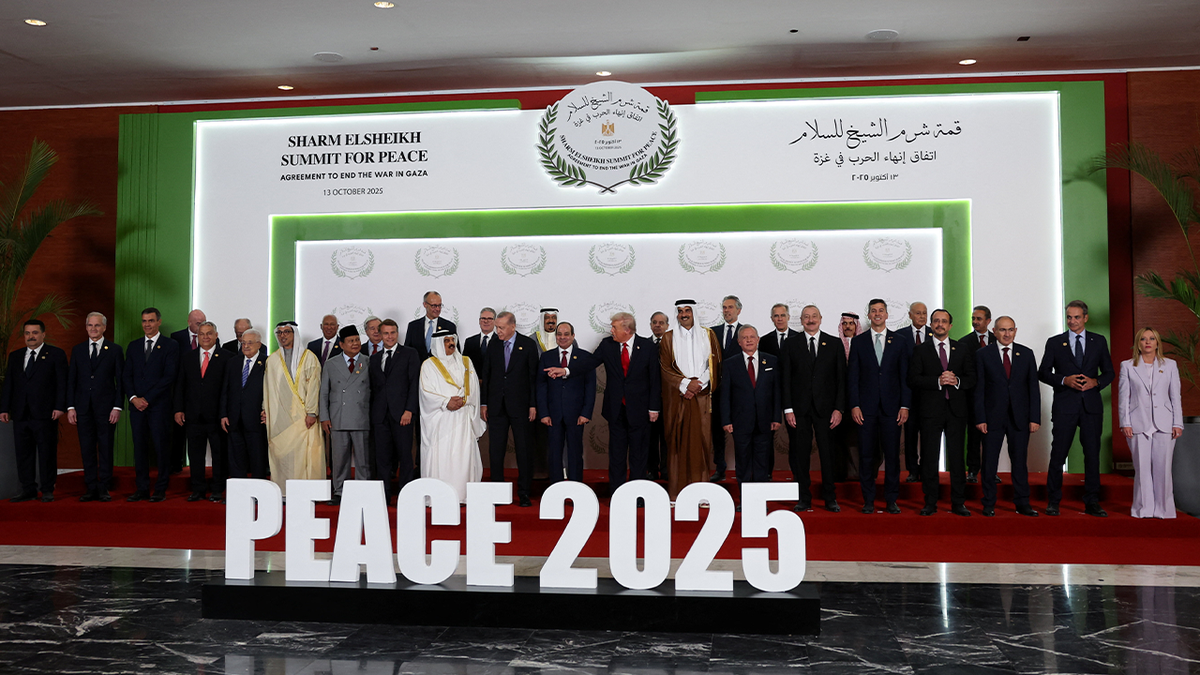
While headlines focused on Trump's Gaza reconstruction fund and Hamas disarmament demands, the Board of Peace serves a more strategic purpose: assembling international legitimacy for potential military action against Iran. With Trump's "10 to 15 days" ultimatum ticking down, this wasn't a peace summit. It was diplomatic preparation for war.
The Largest Military Buildup in Decades Tells the Real Story
The numbers speak louder than any White House statement. The Pentagon has positioned the largest concentration of American warships and aircraft in the Middle East since the 2003 Iraq invasion. Two aircraft carrier strike groups now patrol the region, supported by more than 100 fighter jets including F-35s, F-22 Raptors, F-15 Strike Eagles, and F-16s.
This isn't routine saber-rattling. Military intelligence expert Justin Crump notes the current buildup shows "more depth and sustainability" than previous operations, including the recent seizure of former Venezuelan president Nicolás Maduro in January. The scale suggests preparation for prolonged engagement, not deterrence.
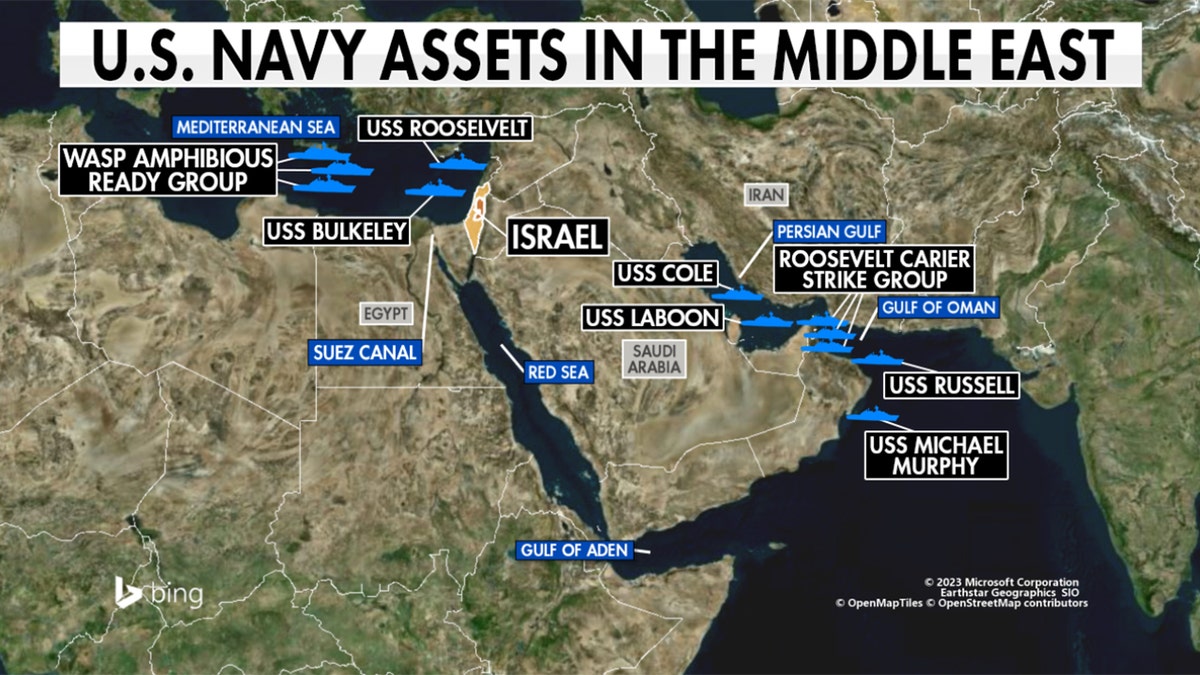
The F-22s and F-35s now heading east are the same aircraft that escorted B-2 stealth bombers during Operation Midnight Hammer—Trump's June 2025 strikes on Iranian nuclear facilities that triggered the 12-day Israel-Iran conflict. Their redeployment sends an unmistakable message about what Trump considers his next move if diplomacy fails.
Iran's Calculated Response Reveals the Stakes
Iran isn't backing down quietly. Intelligence reports show Tehran rapidly escalating its own military posture, with threats of "fierce retaliation" if US strikes materialize. When Iran retaliated against Al Udeid Air Base after last year's nuclear facility strikes, most missiles were intercepted—but the few that penetrated defenses deliberately targeted empty areas, causing zero casualties.
That restraint may not hold this time. Iranian military strategists appear to be shifting away from their previous emphasis on measured responses, signaling a willingness to escalate dramatically if cornered.
The current crisis differs fundamentally from previous US-Iran standoffs because both sides have already crossed the threshold of direct military engagement—and neither achieved their objectives.
The Pentagon responded to last year's Iranian retaliation by establishing MEAD-CDOC, a dedicated integrated air and missile defense coordination cell at Al Udeid. This system now networks defensive assets across the region, making American bases significantly harder targets than they were during the June strikes.
The Board of Peace: Building Coalitions for Conflict
Understanding Trump's Board of Peace requires looking beyond the Gaza reconstruction rhetoric. The 47-nation gathering included Albania, Argentina, Armenia, Austria, Azerbaijan, Bahrain, Bulgaria, Cambodia, Croatia, Cyprus, Czech Republic, Egypt, El Salvador, and others—a carefully curated mix of allies, regional partners, and nations with strategic interests in Middle Eastern stability.
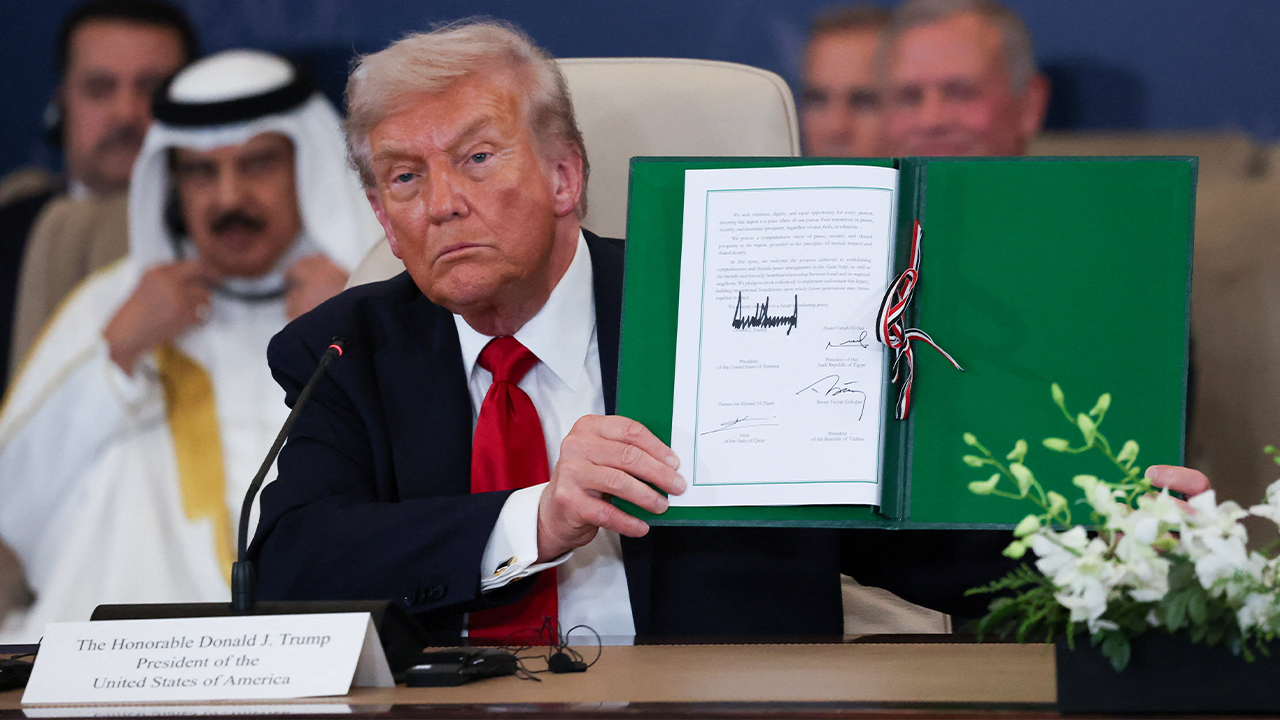
Trump ran the meeting "like one of his Cabinet meetings," according to a US official—directive, focused, and designed to secure commitments rather than debate policy. The $7 billion Gaza fund serves as both humanitarian cover and a test of international willingness to support broader American initiatives in the region.
Countries contributing to Gaza reconstruction implicitly endorse the broader framework of American leadership in resolving Middle Eastern conflicts. That endorsement becomes crucial diplomatic capital if military action against Iran requires international legitimacy.
The 10-Day Countdown: Strategy or Bluff?
Trump's "10 to 15 days" ultimatum for Iran to agree on nuclear and ballistic missile constraints creates artificial urgency that serves multiple purposes. It pressures Tehran while giving American military commanders a clear timeline for readiness. It also allows Trump to demonstrate decisiveness to domestic audiences and international partners.
The Wall Street Journal reports Trump is considering "limited military strikes against Iran as a first step" while trying to avoid escalation that could lead to all-out war. But military experts warn that controlling escalation becomes nearly impossible once direct strikes begin, especially given Iran's expanded network of regional proxy forces.

Seven foreign policy experts polled by Politico split on whether broader conflict is inevitable, but most agree the current trajectory makes miscalculation increasingly likely. Unlike previous standoffs, both sides have now demonstrated willingness to strike directly rather than rely solely on proxy warfare.
What the Timing Really Means
The simultaneity of the Board of Peace meeting and military buildup isn't coincidental—it's strategic sequencing. Trump needed international buy-in before escalating with Iran, and the Gaza reconstruction framework provided the perfect vehicle for building that coalition.
Countries pledging billions for Palestinian reconstruction are essentially endorsing American leadership in regional conflict resolution. That endorsement becomes diplomatic cover for whatever comes next with Iran, whether limited strikes or broader military action.
The Board of Peace meeting was never primarily about Gaza—it was about assembling the international legitimacy Trump needs for his Iran strategy.
The military timeline supports this interpretation. The 50+ fighter jets repositioning eastward in the 48 hours surrounding the Board of Peace meeting suggest coordination between diplomatic and military preparations. Trump wanted commitments from allies before revealing the full extent of his Iran plans.
The Real Test Ahead
As Trump's deadline approaches, the question isn't whether Iran will capitulate—Tehran has shown no indication of accepting American demands on nuclear programs or ballistic missiles. The question is whether the Board of Peace coalition will support American military action when diplomacy fails.
The $7 billion Gaza commitment creates institutional momentum for continued international cooperation on Middle Eastern issues. Countries that contributed to reconstruction have invested in the success of American-led regional stability efforts, making them more likely to support or at least tolerate military action against Iran.
The largest American military buildup in the Middle East in decades, combined with Iran's escalating threats, suggests both sides are preparing for conflict rather than compromise. The Board of Peace meeting wasn't about preventing that conflict—it was about ensuring America doesn't face it alone.
In the next 10 days, we'll discover whether Trump's diplomatic groundwork was sufficient preparation for what military experts increasingly see as inevitable escalation with Iran.