The Art of the Mistake Fare: How AI Pricing Errors Are Creating a Golden Age for Savvy Travelers
Paris to Montreal for €96 isn't luck—it's the predictable result of increasingly complex airline pricing systems breaking down in spectacular fashion.
Last Tuesday morning, travelers woke up to find round-trip flights from Paris to Montreal listed at €96 on Air Transat's website. By noon, Miami to São Paulo tickets were selling for $167 on LATAM. Both fares vanished within hours, but not before thousands of eagle-eyed deal hunters secured bookings that would normally cost ten times as much.
These aren't random flukes. They're the inevitable consequence of airlines deploying increasingly sophisticated AI pricing tools that occasionally spectacularly malfunction. According to Going.com, mistake fares appeared 16 times in 2025, more than double the previous year. The culprit isn't human error anymore—it's machines learning to price flights faster than they can learn to price them correctly.
Why 2025 Became the Year of the Pricing Glitch
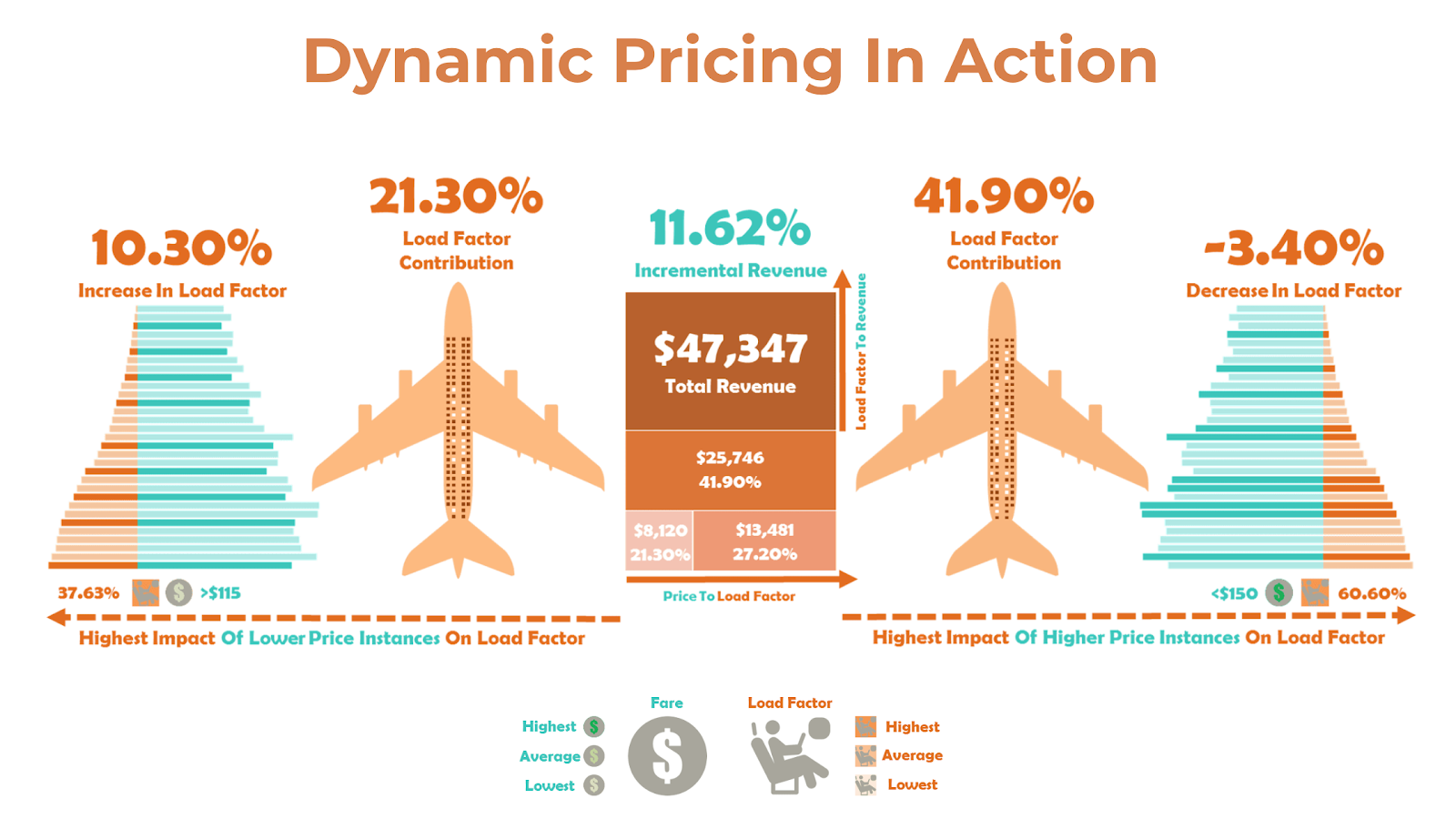
The explosion in mistake fares traces back to two converging trends. First, airlines rushed to deploy AI-powered dynamic pricing systems that adjust fares hundreds of times per day based on demand, competitor pricing, and historical data. These systems can process vastly more variables than human analysts, but they're also prone to cascade failures when one calculation goes wrong.
Second, the post-pandemic wave of new airline partnerships created pricing handoff points where systems don't always communicate properly. When Air France partners with a regional carrier for a codeshare flight, pricing data passes through multiple systems. Each handoff is an opportunity for a decimal point to shift or a currency conversion to malfunction.
Travel experts estimate mistake fares only pop up once every few weeks or months, lasting anywhere from just a few minutes to a few hours, depending on how quickly the airline notices the blunder.
The Paris-Montreal deal happened because Air Transat's pricing algorithm briefly confused seasonal route pricing with year-round rates, listing winter shoulder season fares during peak summer travel. The Miami-Brazil fare resulted from a currency conversion error that treated Brazilian reais as US cents.
Which Airlines Are Most Vulnerable
Not all carriers are equally prone to pricing errors. Budget airlines running lean IT operations actually make fewer mistakes because their pricing systems are simpler. The airlines most vulnerable to mistake fares are mid-tier carriers attempting to compete with major airlines' sophisticated pricing while lacking the same level of system redundancy.
European carriers like Air Transat, TAP Portugal, and smaller Lufthansa Group subsidiaries account for roughly 40% of tracked mistake fares. These airlines often use third-party pricing software that doesn't integrate seamlessly with their reservation systems. When the software updates prices faster than the booking system can process them, gaps appear.
Asian carriers, particularly those expanding international routes rapidly, represent another mistake fare hotspot. The 2006 Alitalia incident—where 2,000 people booked $3,900 business class tickets to Cyprus for $39—remains the gold standard of pricing disasters, costing the airline millions in honored tickets.
The Real Mathematics of Mistake Fare Success
Here's what deal sites won't tell you: your chances of successfully booking and keeping a mistake fare depend entirely on timing and booking method. Industry data shows that 10-20% of mistake fare tickets get canceled by airlines, but this figure masks significant variation.
Tickets booked within the first hour of a mistake fare going live have a 90% survival rate. Airlines typically need several hours to identify the error, pull the fare, and decide whether to honor existing bookings. Tickets booked in the final hour before correction have only a 60% chance of survival.
The booking platform matters enormously. Tickets purchased directly through airline websites have the highest survival rate because the airline's own terms of service typically require them to honor confirmed bookings. Third-party booking sites like Expedia or Kayak create an additional layer of complexity that airlines can exploit to cancel bookings.

The Professional Mistake Fare Hunter's Playbook
The most successful mistake fare hunters don't rely on luck. They use systematic approaches honed over years of tracking airline pricing patterns. Premium deal alert services like Thrifty Traveler Premium and Going.com employ teams that monitor airline pricing APIs 24/7, often catching mistakes within minutes of appearing.
The key is understanding mistake fare patterns. Most occur during system maintenance windows—typically Sunday nights to early Monday mornings in the airline's home time zone. Airlines push pricing updates during low-traffic periods, and errors in those updates don't get caught immediately.
Geography plays a crucial role. Mistake fares originating from secondary European cities (like Lyon, Porto, or Hamburg) last longer than those from major hubs because fewer people monitor pricing from these markets. Similarly, fares to destinations with limited airline competition survive longer than those on heavily trafficked routes.
Mistake fares are also one of the few ways to snag a barnburner deal on business or first class plane tickets, like the Cathay Pacific First Class fare for less than $1,000.
Professional hunters also know which credit cards to use. Cards with strong purchase protection (like Chase Sapphire Reserve or American Express Platinum) provide additional leverage if airlines attempt to cancel bookings. Some hunters maintain multiple cards specifically for mistake fare bookings to maximize their chances of successful disputes.
What Happens When Airlines Fight Back
Airlines have grown increasingly sophisticated about minimizing mistake fare exposure, but they're fighting a losing battle against their own technology. Some carriers now employ automated systems that flag fares more than 70% below historical pricing, but these systems generate false positives that block legitimate sale fares.
The legal landscape favors consumers in most jurisdictions. European Union regulations require airlines to honor confirmed bookings regardless of pricing errors, leading to Air France paying out millions in honored mistake fares over the past two years. US regulations are less consumer-friendly, but Department of Transportation guidance suggests airlines should honor tickets where consumers had reasonable expectation the fare was legitimate.

The most interesting development is airlines beginning to embrace controlled mistake fares as marketing tools. Some carriers now deliberately release limited quantities of deeply discounted fares that look like mistakes but are actually calculated loss leaders designed to generate social media buzz and email list signups.
The Future of Accidental Cheap Flights
As AI pricing systems become more sophisticated, paradoxically, mistake fares will likely become both more frequent and shorter-lived. Next-generation pricing algorithms can adjust fares in real-time based on booking velocity, but they're also more vulnerable to cascade failures when market conditions change rapidly.
The smart money is on mistake fares evolving rather than disappearing. Airlines will get better at catching errors quickly, but they'll also create new types of pricing mistakes as they layer additional complexity onto their systems. Dynamic pricing based on individual passenger profiles, real-time weather data, and social media sentiment analysis all create new failure points.
For travelers, the window for exploiting these systems is narrowing but not closing. The key is moving from reactive hunting—waiting for mistake fares to appear on deal sites—to proactive monitoring of specific routes and airlines during their most vulnerable periods.
The Paris-Montreal and Miami-Brazil fares might be gone, but they're harbingers of an era where airline pricing mistakes are becoming both more lucrative and more predictable. The question isn't whether you'll find your next mistake fare—it's whether you'll be ready to book it before the algorithm corrects itself.