Apple's Three-Day Announcement Blitz Reveals the Tech Industry's AI Panic
By abandoning its legendary single-event format, Apple signals that even the most disciplined company in tech feels the heat of accelerated competition.
Apple built its reputation on the theatrical reveal. One stage, one day, one perfectly choreographed performance that had the entire tech world watching. Steve Jobs mastered this format, and Tim Cook refined it into a predictable rhythm that competitors could only dream of matching.
Next week, Apple throws that playbook out the window. For the first time in company history, they're spreading product announcements across three consecutive days, Monday through Wednesday. This isn't just a scheduling change. It's a confession that even Apple, the master of controlled timing, now feels the industry's AI-driven acceleration breathing down its neck.
The Death of the Big Reveal
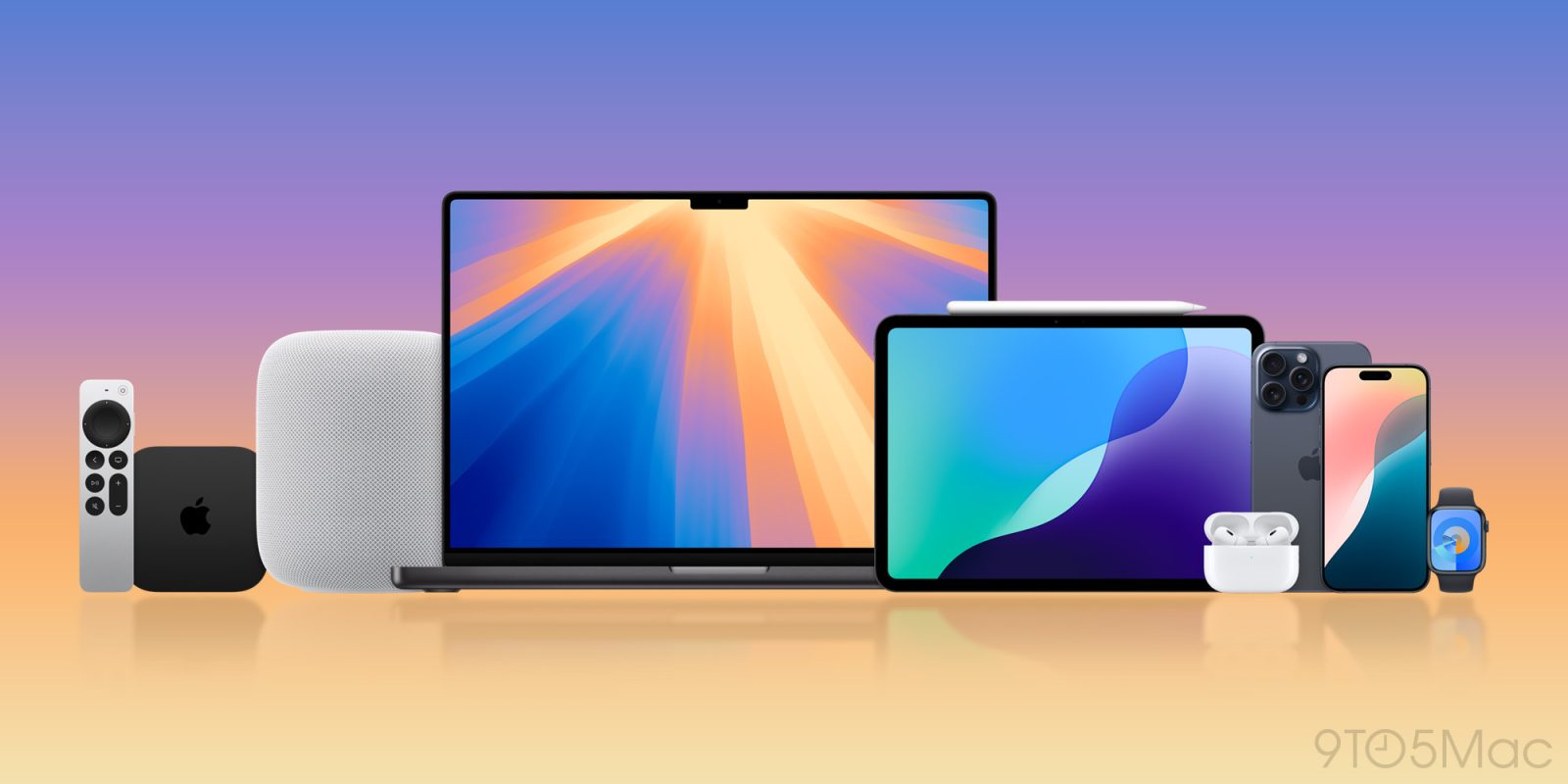
Bloomberg's Mark Gurman reports that Apple will unveil new iPad Pro models with M5 chips, Vision Pro updates, and likely base iPad refreshes across the three-day span. The products themselves aren't revolutionary. What's revolutionary is Apple admitting that the traditional keynote format no longer serves its competitive needs.
The math is simple: while Apple perfected the art of the annual refresh cycle, competitors began shipping AI features monthly. OpenAI releases new capabilities faster than Apple can schedule board meetings. Google pushes AI updates to billions of devices with a software push. Meta iterates on VR hardware like it's developing mobile apps.
Apple's response reveals something deeper about how AI has fundamentally altered product development timelines. When software improvements can dramatically enhance hardware overnight, the traditional model of annual hardware refreshes with fixed feature sets starts to look antiquated.
AI's Acceleration Effect
The shift isn't just about Apple. It reflects an industry-wide acceleration that AI has triggered across product development cycles. Research from Processica suggests AI-driven development can reduce product iteration time by 40-50%, allowing companies to move from concept to market faster than ever before.
This creates a competitive dynamic that Apple's methodical approach struggles to match. While Apple spends months perfecting every animation in iOS, competitors ship rough AI features that improve through user interaction. The question isn't whether the first version is perfect, but whether it learns fast enough to become useful.
In an age of instant information and AI-generated summaries, the traditional tech keynote faces an identity crisis.
Apple's three-day format acknowledges this reality without fully embracing it. They're testing whether they can maintain their premium positioning while matching the velocity of AI-first competitors. The iPad Pro getting an M5 chip months after the M4 suggests they're willing to compress their traditional 12-18 month hardware cycles.
The Vision Pro Problem
Nowhere is Apple's AI dilemma more apparent than with Vision Pro. The device launched with impressive hardware but limited software capabilities. Meanwhile, Meta ships Quest updates monthly, each one adding new AI-powered features that make the platform more compelling.
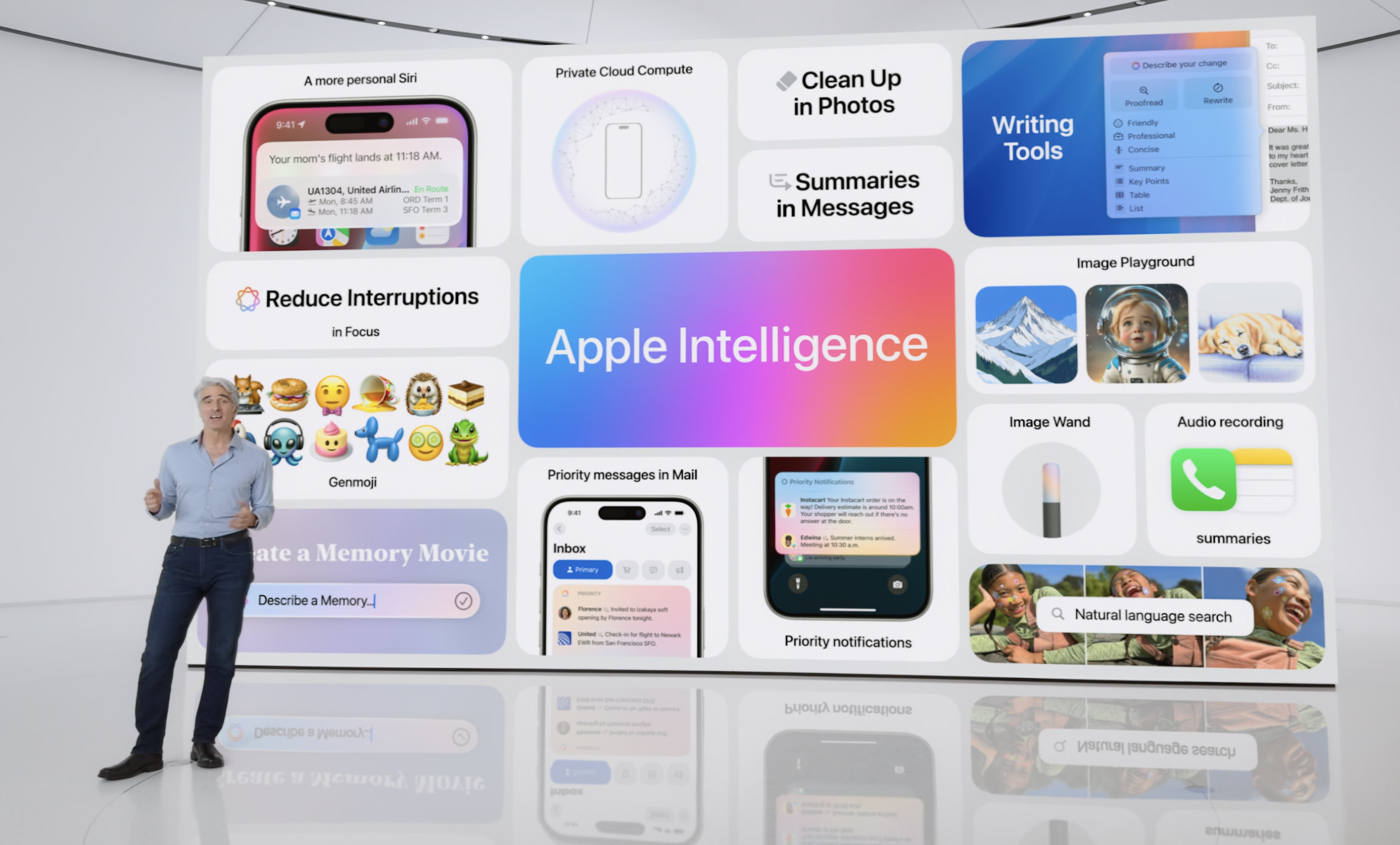
Apple's approach to AI remains fundamentally different from its competitors. Rather than building the largest language models, they're embedding AI directly into iOS, devices, and services while maintaining full control of the user experience. This strategy requires perfect integration but moves slower than the "ship fast, iterate faster" approach of AI-native companies.
The Vision Pro 2 rumored for next week represents Apple's attempt to accelerate this integration timeline. But updating hardware every few months instead of annually signals a company adapting to competitive pressure rather than setting the pace.
The Press Experience Experiment
Apple's decision to spread announcements across three days isn't just about product timing. It's reshaping how tech journalism works. Instead of one massive news cycle that dominates headlines for 24 hours, Apple creates sustained attention across a full week.
This mirrors how AI companies have learned to maintain mindshare. Rather than big launches, they create continuous streams of updates, features, and improvements that keep their brands in constant conversation. OpenAI doesn't wait for annual conferences to announce GPT improvements. They ship them when ready and let the internet react.
Apple's three-day format tests whether they can capture this continuous attention model while maintaining their premium brand positioning. The risk is that spreading announcements thin dilutes their impact. The opportunity is proving they can innovate at the speed the market now demands.
What This Means for Everyone Else
If Apple, the most disciplined product company in tech, feels compelled to abandon its proven announcement strategy, what does that mean for everyone else? The answer is that AI has fundamentally altered the competitive landscape in ways that traditional product development cycles can't address.
Companies that built their identities around annual upgrade cycles now face competitors who improve their products daily through software updates. The choice is clear: accelerate or become irrelevant.
Apple's three-day experiment will likely determine whether the traditional tech giants can adapt to AI-speed competition while maintaining their brand premium. If it works, expect every major tech company to follow suit. If it fails, it might signal that the era of carefully orchestrated product launches is truly over.
The traditional model of annual hardware refreshes with fixed feature sets starts to look antiquated when software improvements can dramatically enhance hardware overnight.
The broader implications extend beyond tech companies to any industry where AI enables rapid product iteration. Consumer expectations now align with software timelines, not manufacturing cycles. Apple's pivot represents an acknowledgment that even hardware companies must think like software companies to remain competitive.
Next week's announcements matter less than what they represent: the moment Apple admitted that its legendary patience might have become a competitive liability in the age of artificial intelligence.