Apple's $1 Billion Surrender: How the Privacy Company Became Google's AI Customer
The tech giant that built its empire on independence just admitted it can't compete in AI without its biggest rival's help.
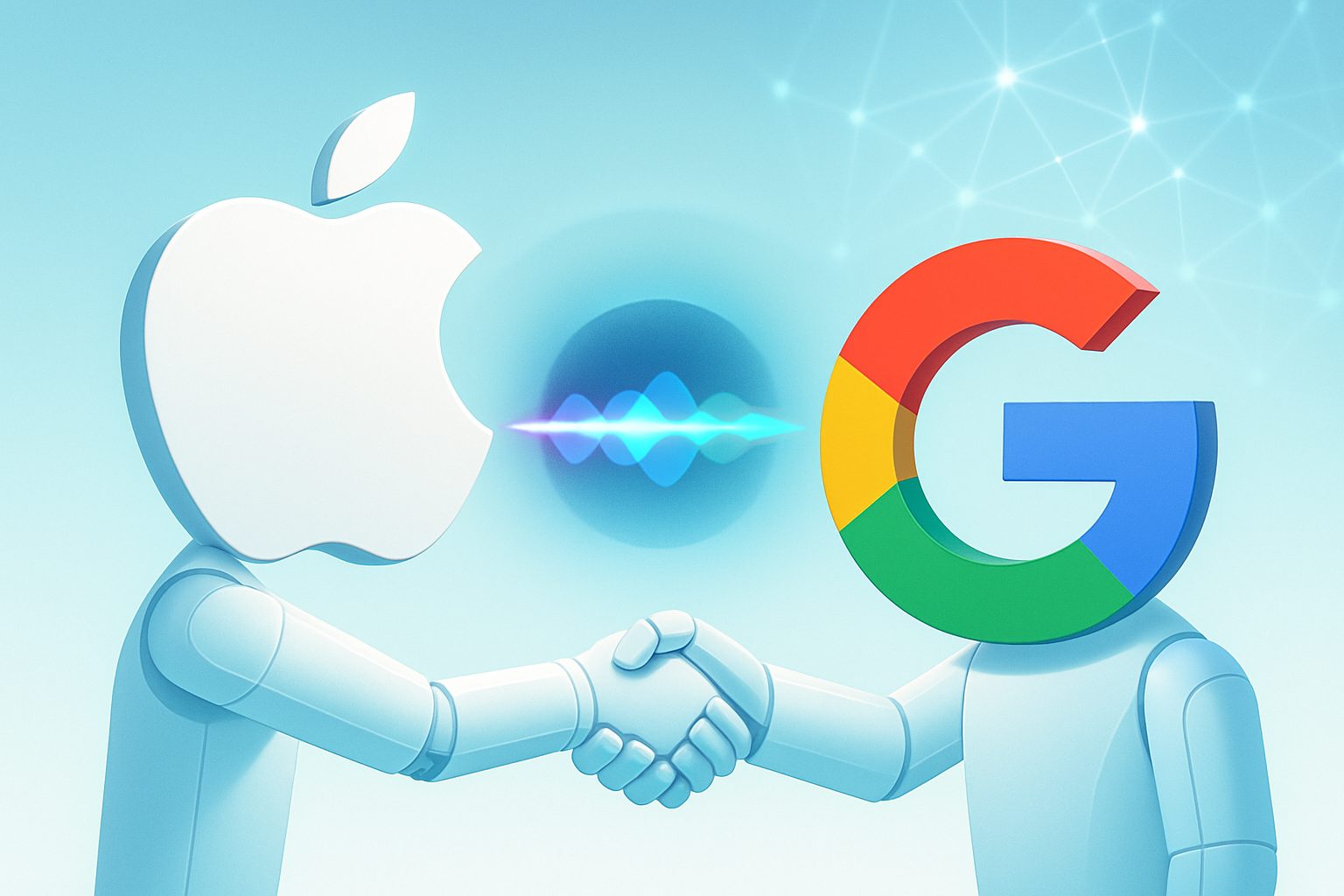
When Apple announced its $1 billion annual deal with Google to power Siri with Gemini AI models in January 2026, it marked the end of an era. The company that famously rejected partnerships, that turned down licensing deals with competitors, that built its own chips rather than rely on Intel—that company just became Google's biggest AI customer.
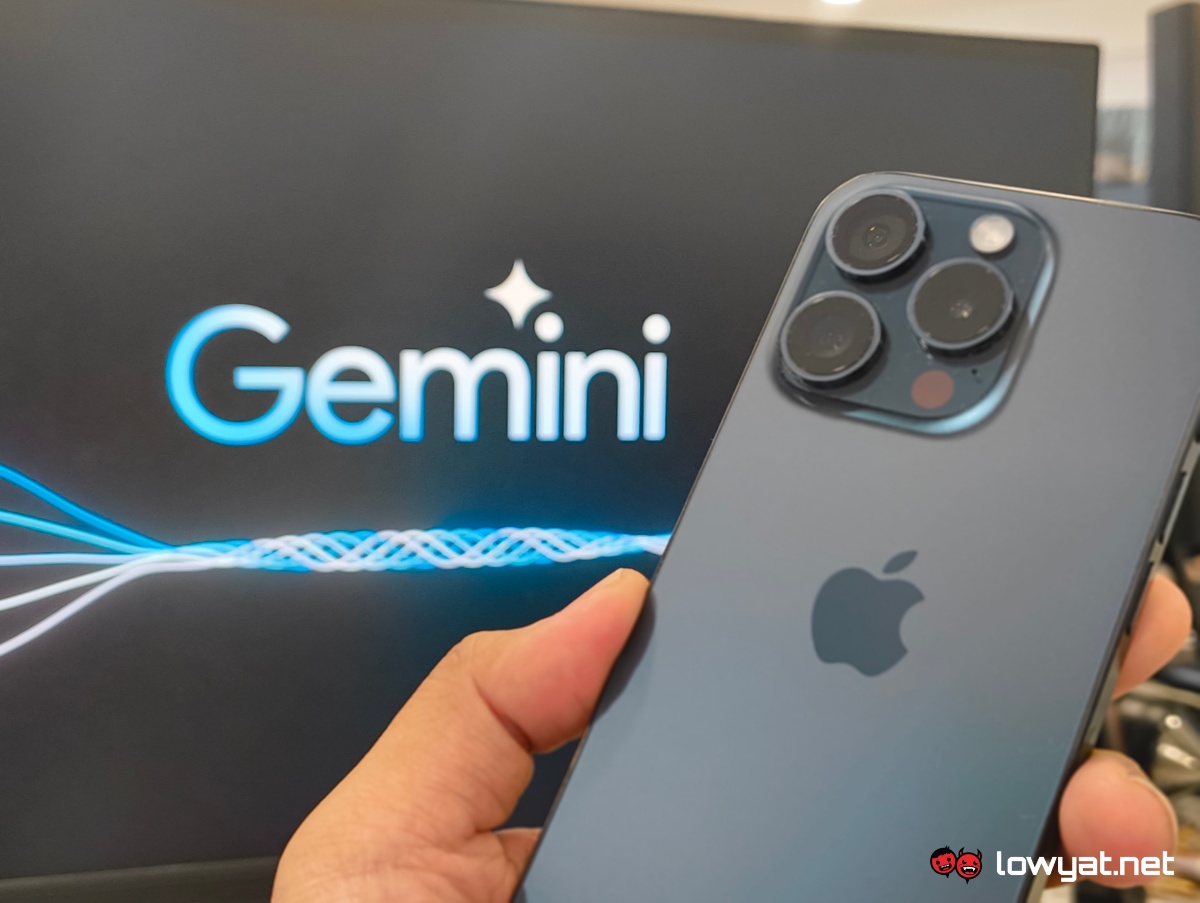
The partnership isn't just about money. It's about Apple quietly admitting that despite years of 'Apple Intelligence' marketing and billions in R&D spending, it couldn't build competitive AI on its own. More troubling still, the deal forces Apple to compromise the very privacy principles that differentiated it from Google in the first place.
The Failure of Apple Intelligence
Apple's AI ambitions began unraveling long before this Google deal. When the company first announced Apple Intelligence in summer 2024, it promised revolutionary on-device AI capabilities that would make Siri genuinely useful. The reality fell far short.
"The long and short of it is that they over-promised back in the summer of 2024, and they under-delivered, still, now, what they promised," one industry analyst noted after the Google announcement. Apple Intelligence features rolled out slowly, often requiring cloud processing that defeated the purpose of on-device AI. Siri remained frustratingly limited compared to Google Assistant or ChatGPT.

The numbers tell the story of Apple's AI struggle. While Google has been training language models with hundreds of billions of parameters since 2022, Apple's largest models maxed out around 8 billion parameters. Google's infrastructure advantage proved insurmountable—the search giant processes over 8 billion queries daily, generating the massive datasets that modern AI requires.
Apple's custom silicon, while excellent for efficiency, couldn't match the raw computational power of Google's tensor processing units. The company's commitment to on-device processing, once a strength, became a liability in the era of large language models that demand cloud-scale computing.
Privacy Theater in the Age of AI
Apple's privacy messaging around the Gemini deal reveals the contradictions inherent in modern AI development. The company insists that "Apple Intelligence will continue to run on Apple devices and Private Cloud Compute, while maintaining Apple's industry-leading privacy standards." But this claim deserves scrutiny.
If foundation models are now "based on" Gemini and Google's cloud technology, where does the processing actually happen?
The technical reality is murkier than Apple's marketing suggests. While Apple promises that user data won't leave its Private Cloud Compute infrastructure, the underlying AI models are trained on Google's systems using Google's data. Apple users are effectively benefiting from—and contributing to—the same data collection practices they chose Apple to avoid.
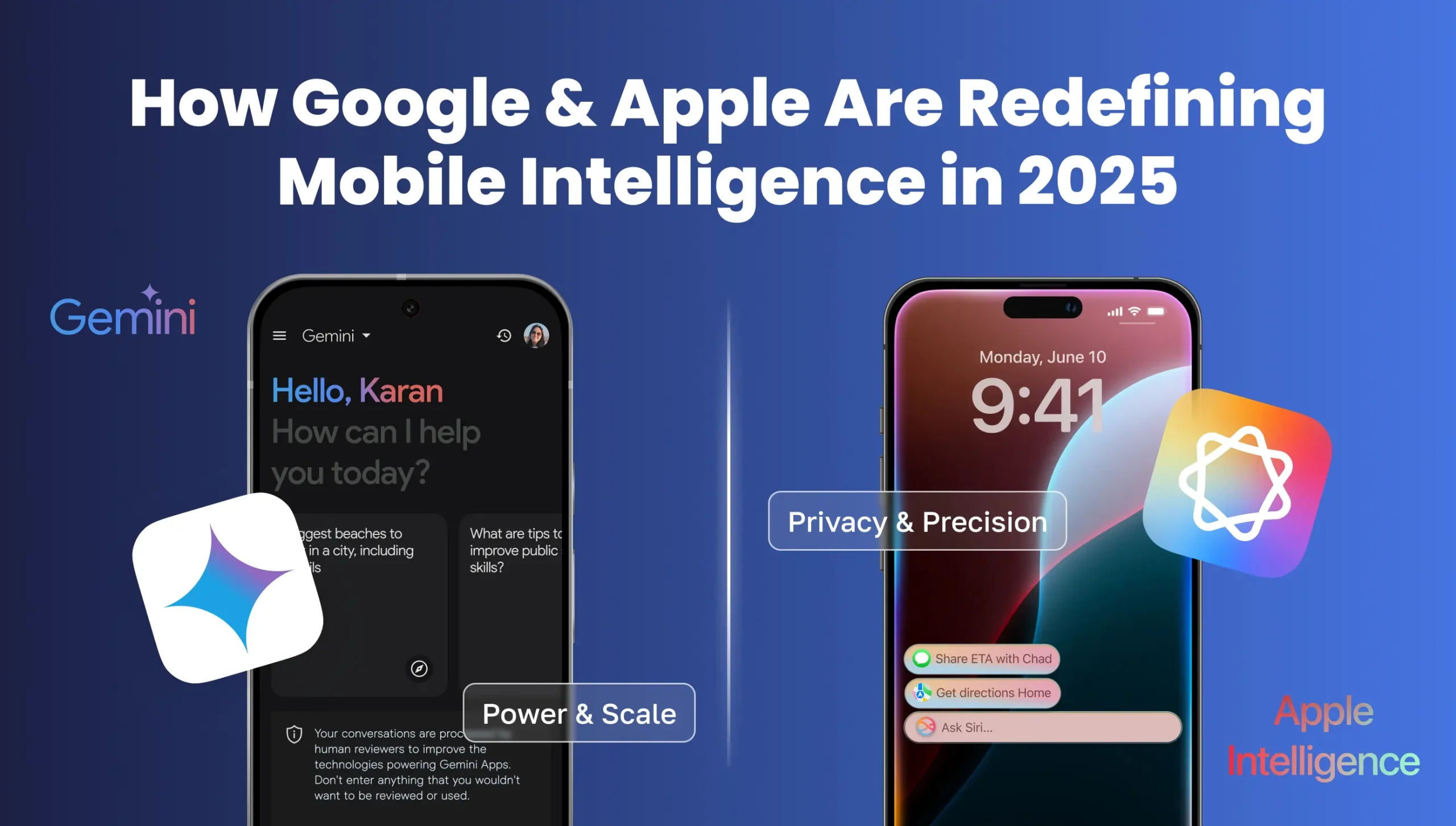
Apple's Private Cloud Compute, announced as a privacy breakthrough, now serves primarily as a fig leaf for Google's AI dominance. The company can claim data doesn't go to Google directly, but the AI capabilities users experience are fundamentally Google's creation. It's privacy theater for an age when true privacy may be incompatible with competitive AI.
Google's Strategic Masterstroke
For Google, the Apple deal represents far more than $1 billion in annual revenue. It cements Google's position as the default AI provider for the world's most valuable devices, reaching Apple's 2+ billion active users with Gemini models.
The partnership validates Gemini as the premier AI technology, particularly significant given that Apple previously preferred OpenAI for AI features. Apple's statement that "after careful consideration" it determined Google's AI "provides the most capable foundation" serves as Gemini's ultimate endorsement.
Google also gains crucial data insights, even if indirectly. While Apple promises user data won't be shared, Google will learn how its models perform across different use cases and user interactions. This feedback loop helps Google improve Gemini while potentially degrading Apple's ability to differentiate its AI offerings.
The deal effectively makes Apple a reseller of Google's AI capabilities, with Google collecting both direct revenue and strategic positioning advantages. It's perhaps the most favorable enterprise AI deal ever negotiated.
The OpenAI Casualty
Apple's pivot to Google delivers a significant blow to OpenAI, which had positioned itself as Apple's preferred AI partner. ChatGPT integration was a key feature of early Apple Intelligence announcements, suggesting a natural alliance between the privacy-focused tech giant and the AI startup.
The Google deal suggests OpenAI's technology wasn't compelling enough to retain Apple's partnership, despite OpenAI's first-mover advantage with ChatGPT. Google's superior infrastructure, longer relationship with Apple through search, and more comprehensive AI capabilities ultimately won out.
This setback comes as OpenAI faces increasing competition and questions about its long-term viability without Microsoft's continued support. Losing Apple as a partner removes a potential path to massive consumer distribution outside of Microsoft's ecosystem.
Apple's Long-Term Gamble
Apple frames this partnership as temporary, claiming it will mass-produce its own AI server chips (codenamed "Baltra") by H2 2026, with dedicated data centers coming online in 2027. The custom 1.2T parameter model will supposedly run on Apple's Private Cloud Compute infrastructure, not Google Cloud.
But this timeline seems optimistic given Apple's current AI capabilities. Training competitive large language models requires not just computational power but also expertise, data, and years of iteration that Apple lacks. Google's head start in AI may prove insurmountable, making Apple permanently dependent on external providers.
The partnership serves as a bridge while Apple builds internal capability, but can the company that couldn't build competitive search ever truly compete with Google in AI?
Apple's promise to eventually replace Google's AI with its own echoes similar commitments the company made about search, mapping, and other Google services. Those efforts largely failed, leaving Apple users with inferior experiences when the company tried to go it alone.
The End of Apple's Independence Era
The Google AI deal represents more than a business partnership—it marks the end of Apple's era of self-reliance. The company that prided itself on controlling every aspect of the user experience now depends on its biggest competitor for one of technology's most important capabilities.
This shift has profound implications for Apple's brand identity and competitive positioning. The company built customer loyalty by promising independence from Google's data collection and advertising model. Now Apple must convince users that outsourcing AI to Google somehow preserves those values.
The deal also reveals the harsh economics of AI development. Even Apple, with its $200+ billion in annual revenue and massive R&D budget, cannot afford to build competitive AI in isolation. If Apple can't go it alone, few companies can.
The partnership may be Apple's most pragmatic option, but it comes at the cost of the independence that made Apple unique. In the age of AI, even the most successful companies may have no choice but to surrender their autonomy to the few giants with the resources to build truly competitive intelligence.
For consumers, the deal promises better Siri performance and more capable AI features. But it also means that Apple's privacy-first alternative to Google's ecosystem is becoming increasingly hollow—a Google-powered experience with an Apple interface.