The Algorithm Ate My Culture: How TikTok's Code Is Rewriting Food DNA
Viral fusion recipes aren't just trending—they're systematically rewiring what we consider authentic cuisine.
A 19-year-old in Michigan posts a video combining Korean kimchi with Italian carbonara. Within 48 hours, 2.3 million people have watched her create what she calls "Kimchinara." Three weeks later, restaurants in Los Angeles are putting it on their menus. This isn't just a cute internet moment—it's the new mechanism of cultural evolution.

Food fusion has officially become the defining culinary trend of the late 2020s, but not because chefs decided it was time to experiment. TikTok's engagement algorithm has discovered that mashup recipes generate the perfect storm of comments, shares, and watch time. The platform's code doesn't care about culinary tradition—it cares about keeping eyeballs glued to screens.
The result is something unprecedented in human history: an artificial intelligence system is actively reshaping food culture in real-time, turning cooking into content and tradition into algorithmic optimization.
The Engagement Equation Behind Every Viral Dish
TikTok's algorithm operates on a simple principle: content that keeps users engaged gets pushed to more feeds. Food fusion videos hit every engagement trigger the system craves. They generate surprise ("Wait, you put what in ramen?"), curiosity ("I have to try this"), and most importantly, controversy ("This is not authentic Thai food!").
Research shows that food content generates the highest engagement rates across all influencer categories worldwide. But fusion recipes take this a step further—they're specifically optimized for the comment section battles that drive algorithmic success. Every outraged food purist typing "This isn't real Italian cuisine" is feeding the machine that decides what millions of people see next.

The numbers tell the story. Chipotle's "Tortilla Hack" video—where users fold a tortilla into quarters to create different compartments—reached over 100 million views across various creators' versions. But it wasn't the hack itself that made it viral. It was the perfect algorithmic recipe: visually satisfying, easy to recreate, and controversial enough to generate thousands of "this is stupid" and "this is genius" comments.
Traditional food media used to work differently. A cookbook author might spend years perfecting a fusion concept. A chef would gradually introduce diners to new flavor combinations. Food culture evolved slowly, with regional influences mixing over decades or centuries. Now a teenager with a phone can create a "new cuisine" that reaches more people in a week than Julia Child did in her entire career.
When Code Becomes Culture
The most fascinating part isn't that fusion food is trending—it's how the algorithm is actively selecting which fusions succeed. TikTok's recommendation system doesn't just amplify popular content; it predicts and shapes what becomes popular next.
Creators have reverse-engineered this process. They know that combining recognizable elements from distant food cultures generates the cognitive dissonance that drives engagement. Korean corn dogs with American hot dogs and Japanese panko. Indian curry spices in Mexican street tacos. Thai basil in Italian pasta. These aren't organic cultural exchanges—they're engineered for virality.
"If all your friends on social media are posting pictures of themselves consuming fast food, it's going to set a norm that eating fast food is what people do," researchers note about how social platforms shape eating behavior.
The University of California at Santa Cruz studied how teens interact with food content on TikTok and found something remarkable: these short videos are creating long-term changes in eating habits. Teens aren't just watching—they're cooking these fusion recipes with their families, turning viral content into actual meals.
This represents a fundamental shift in how food culture spreads. Instead of recipes passing from grandmother to mother to daughter, or from professional kitchens to home cooks, we now have a system where algorithmic amplification determines which dishes become "traditional" for the next generation.
The Death and Rebirth of Authenticity
Traditional food gatekeepers are struggling to maintain relevance in this new landscape. When a TikTok creator's "Japanese-Mexican fusion burrito" gets 50 million views, what does it mean for the Japanese chef who spent decades mastering traditional techniques?
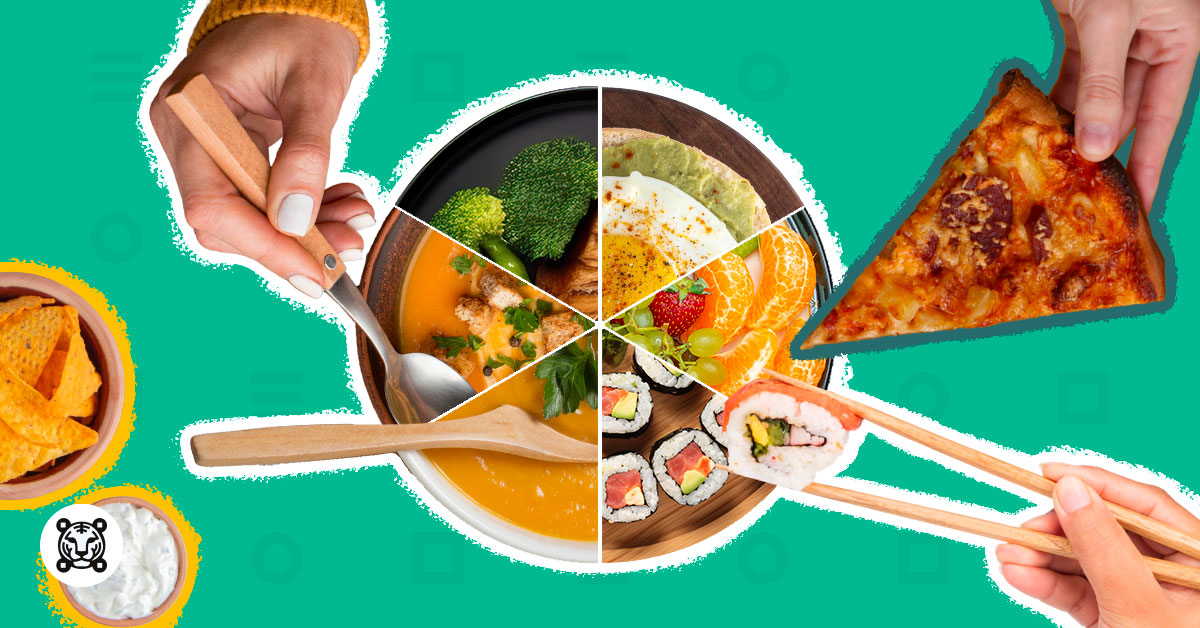
The concept of "authentic" cuisine is being rewritten in real-time. Generation Z consumers, who discover the majority of their recipes through social media, don't see fusion as inauthentic—they see it as the natural state of food. For them, the arbitrary boundaries between "Italian" and "Mexican" cuisine seem as outdated as insisting that rock music can only use instruments from one country.
This isn't necessarily cultural appropriation, though the line can be thin. Many successful fusion creators are from multicultural backgrounds, combining the food traditions of their own heritage. The Korean-American creator making kimchi tacos isn't stealing culture—she's expressing her lived experience. But when algorithms amplify some voices over others, questions of representation and authenticity become more complex.
Major grocery chains are already adapting. Dunnes Stores now stocks frozen açai specifically because of TikTok trends. Lidl Ireland promoted their açai products through viral TikTok content. The supply chain is literally reshaping itself around algorithmic food trends.
The New Rules of Food Fame
Success in this new food landscape requires understanding that you're not just creating recipes—you're creating content optimized for an artificial intelligence system that values engagement above all else. The most successful food creators have mastered this balance, creating dishes that are genuinely delicious while also being algorithmically irresistible.
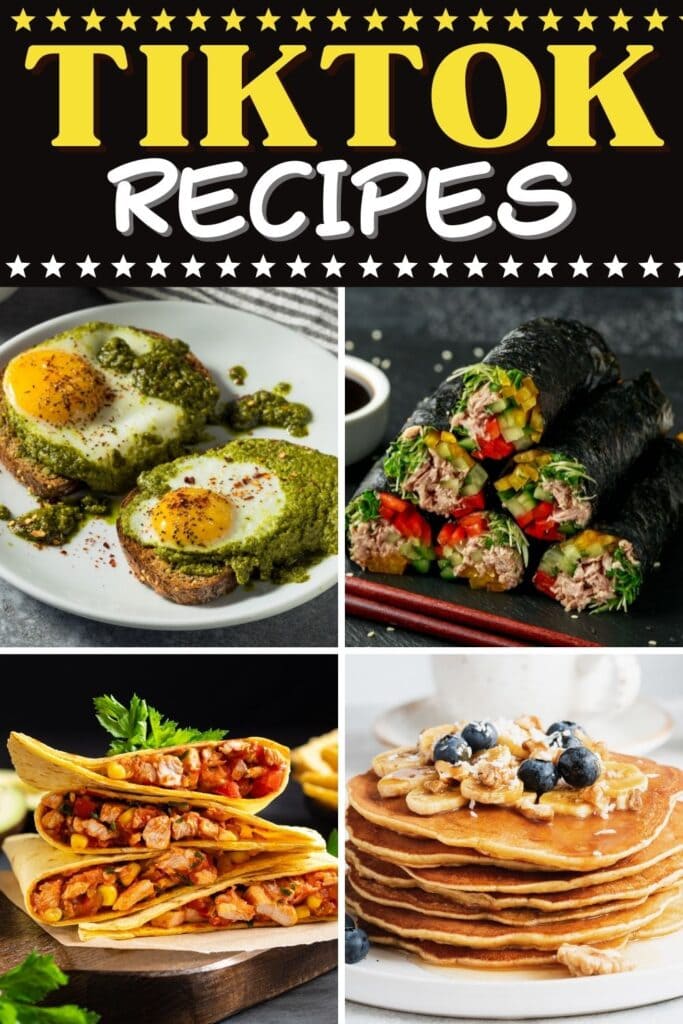
The formula is becoming clear: take two recognizable but distant food cultures, combine them in a visually striking way, and present it with confident enthusiasm. Bonus points if you can make it in under 60 seconds with ingredients people already have at home. The algorithm rewards consistency, visual appeal, and most importantly, the kind of content that makes people stop scrolling.
But this optimization is changing the food itself. Recipes are getting simpler, more visual, more extreme. Subtle flavors don't translate well to phone screens. Complex techniques that take hours don't fit the format. The medium is literally reshaping the culinary message.
Restaurant owners are taking notice. Many are now designing menu items specifically for social media shareability. The question isn't just "Does this taste good?" but "Will people post this?" The TikTok tail is wagging the restaurant dog.
What We're Really Cooking
Behind all the fusion recipes and viral videos, something deeper is happening. Social media algorithms are becoming the new tastemakers, replacing food critics, cookbook authors, and traditional culinary institutions with engagement metrics and view counts.
This shift has profound implications beyond just what we eat for dinner. When artificial intelligence systems designed to maximize screen time start determining food culture, we're essentially letting machines decide what traditions survive and which ones disappear.
The teens in research studies are "turning viral recipes into meal plans," creating shared spaces for curating food content that shapes their actual eating behavior.
The winners in this new system aren't necessarily the most skilled chefs or the most authentic cultural representatives—they're the creators who best understand how to game the algorithm. This creates a feedback loop where the most optimized content gets the most reach, teaching the next generation of creators to optimize even further.
Yet there's something genuinely exciting happening too. Young creators from different cultural backgrounds are sharing their food stories in ways that feel more personal and immediate than traditional food media ever did. The barriers to entry are lower. You don't need a cookbook deal or a restaurant to influence food culture—you just need a phone and an understanding of what makes people click.
The question isn't whether this is good or bad—it's already happening. The algorithm has already eaten traditional food media for breakfast, lunch, and dinner. The only question now is whether we can find ways to preserve the depth and authenticity of food culture while embracing the democratizing power of these new platforms.
Food fusion isn't just a trend—it's the new language of a generation that learned to cook from their phones. And whether we like it or not, that language is being written by code that cares more about engagement than authenticity. The least we can do is make sure it tastes good.