Airlines Are Desperate for Cash Right Now — And That's Great News for Travelers
Historic fare drops aren't from airline generosity, but from a liquidity crunch that's creating the best deals in years.
While United Airlines celebrates its highest quarterly revenue in company history at $15.4 billion for Q4 2025, the airline industry faces an uncomfortable truth: record revenues don't necessarily mean healthy cash flow. Airlines are sitting on massive debt loads from pandemic borrowing, and with bond payments looming in 2026, they're doing something they rarely do — cutting prices to fill seats fast.
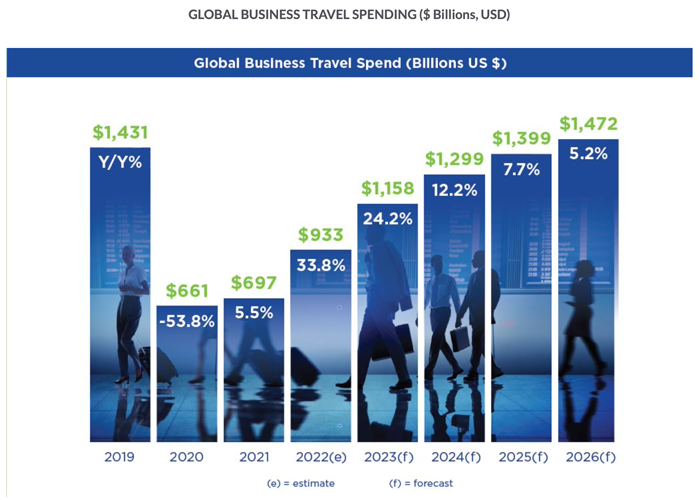
This isn't your typical seasonal sale. Airlines are offering deals that would have been unthinkable two years ago, when post-pandemic demand had carriers charging premium prices for middle seats. Business class fares to Europe are down 30% from their 2024 peaks. Domestic routes that commanded $400+ last summer are now available for under $200.
The window won't last forever.
The Cash Crunch Behind the Deals
Airlines borrowed heavily during the pandemic, and those bills are coming due. Delta and United, despite their profit leadership position, carry billions in debt that requires consistent cash generation. Lower-cost carriers face even tighter constraints, with Spirit Airlines fighting for survival and others scrambling to maintain liquidity ratios that satisfy lenders.
The result is a fundamental shift in pricing strategy. Instead of the traditional approach of maximizing revenue per seat, airlines are prioritizing cash generation through volume. They'd rather sell a $300 business class seat than let it fly empty, even if that same seat sold for $800 last year.
"Airlines have limited room to raise fares due to economic pressures and high operating costs," industry analysts note. This constraint forces a focus on load factors over yield — airline speak for filling planes rather than maximizing profit per passenger.

Corporate travel budgets are tightening simultaneously. Among frequent corporate travelers taking 10 or more trips per year, 53% report increased scrutiny on travel spending. This creates a perfect storm: airlines need cash, and their highest-paying customers are price-shopping more aggressively than ever.
Where the Steepest Discounts Are Hiding
The data reveals clear patterns in which routes are seeing the most dramatic price drops. Transatlantic flights lead the way, with carriers launching fare wars to fill expanded capacity on routes to London, Paris, and Amsterdam. These markets saw a 25-30% capacity increase in late 2025, but demand hasn't kept pace.
Business class deals are particularly abundant on these routes. Premium cabin fares to Europe are experiencing what industry insiders call a "fare correction" after two years of post-pandemic premiums. The 2-4 month booking window shows the best combination of availability and pricing stability for business class travelers.
"We're seeing a fare correction that's bringing balance back to premium travel pricing after soaring amid post-pandemic demand and limited seat capacity."
Domestic routes tell a similar story. Mid-day flights departing between 11 AM and 2 PM on Tuesdays and Wednesdays show the most dramatic discounts, with some routes dropping 40% below peak pricing. These off-peak slots historically flew half-empty, but airlines are now pricing them aggressively to improve overall load factors.
Summer destinations are seeing unexpected early discounts. Google Flights data shows the traditional 14-43 day booking window for July and August travel has expanded, with deals appearing as early as 3-4 months out. Airlines are clearly prioritizing early cash flow over the usual strategy of maintaining high summer prices.
The Business Class Bonanza
Perhaps nothing illustrates airlines' cash pressures better than the sudden abundance of business class deals. These premium seats traditionally command massive margins — airlines would rather fly them empty than discount heavily. Not anymore.
Premium cabin availability has increased dramatically as airlines retrofit planes with more business class seats, betting on post-pandemic demand that hasn't fully materialized. The result is oversupply in a market where corporate travel budgets are under pressure.
The sweet spot for business class booking sits between 2-4 months before departure. This window offers the best mix of available flight options, cabin configurations, and price stability. Earlier bookings risk schedule changes; later bookings face limited availability at any price.
Departure timing matters more than booking day for premium travelers. Business class fares show consistent patterns tied to departure schedules, with mid-week flights offering the deepest discounts. Weekend departures still command premiums, but even those are down significantly from 2024 levels.
Your Booking Window Is Shrinking
Industry forecasts suggest this pricing environment won't persist beyond mid-2026. Airlines are projecting 5-7% revenue growth for Q1 2026, indicating confidence that demand will eventually catch up to their cash flow needs. Once that happens, expect a rapid return to yield management strategies that prioritize profit over volume.
The key booking periods are already established. Black Friday and Cyber Week in November 2025 produced some of the deepest discounts ever recorded, with 24-72 hour flash sales offering fares that airlines would have considered loss leaders just two years ago. Travel Tuesday deals extended those savings through December.

Monthly sales patterns are also shifting. Singapore Airlines' KrisFlyer Spontaneous Escapes program, offering 30% discounts on award redemptions, reflects the broader industry trend toward aggressive month-to-month promotions designed to generate immediate bookings.
The strategy is working. Airlines are seeing load factors improve even as yields decline. For travelers, this represents a unique opportunity — airlines are essentially trading profit margins for market share and cash generation.
How to Capitalize Before Prices Normalize
Smart travelers are adapting their booking strategies to match airlines' new priorities. Instead of choosing destinations first and checking prices later, successful deal-hunters are monitoring multiple routes and booking when prices hit their targets.
The off-season booking strategy proves particularly effective now. Airlines are offering summer deals in winter months that wouldn't have existed during normal market conditions. Just as buying winter clothes in summer saves money, booking summer flights in winter delivers exceptional value.
Flight tracking tools have become essential. Real-time alerts for price drops across multiple destinations can catch mistake fares and flash sales that disappear within hours. Airlines are experimenting with dynamic pricing more aggressively than ever, creating opportunities for alert travelers.
"Book your flight during the off-season. Just like buying winter clothes in the summer can save you money, booking your summer flights in the winter often gets you the best deals."
Corporate travelers have unique advantages in this environment. With 53% of frequent business travelers reporting increased budget scrutiny, companies are more willing to consider alternative airlines and routes for savings. This flexibility unlocks deals that leisure travelers might miss due to fixed vacation schedules.
The window is definitely closing though. As economic conditions stabilize and airlines work through their debt obligations, expect a return to traditional pricing strategies. Airlines won't maintain loss-leader pricing indefinitely — they're using it as a bridge to better financial health in 2026 and beyond.
For now, travelers who can be flexible with timing, routes, and airlines will find deals that seem almost too good to be true. They're not — they're just the result of airlines prioritizing cash over profit for the first time in years. Take advantage while it lasts.