The Airline Industry's Quiet Panic Is Creating the Best Travel Deals in Years
As consumer spending cools and booking anxiety spreads, carriers are slashing prices to fill empty seats before it's too late.
Airlines are doing something they rarely do: admitting they're scared. Not publicly, of course, but their pricing tells the story. Domestic airfares have dropped 16% compared to 2023, with February flights averaging just $276 round-trip. Meanwhile, "mistake fares" that slash ticket prices by up to 90% are appearing at record frequency. The reason isn't technical glitches or human error—it's strategic desperation.
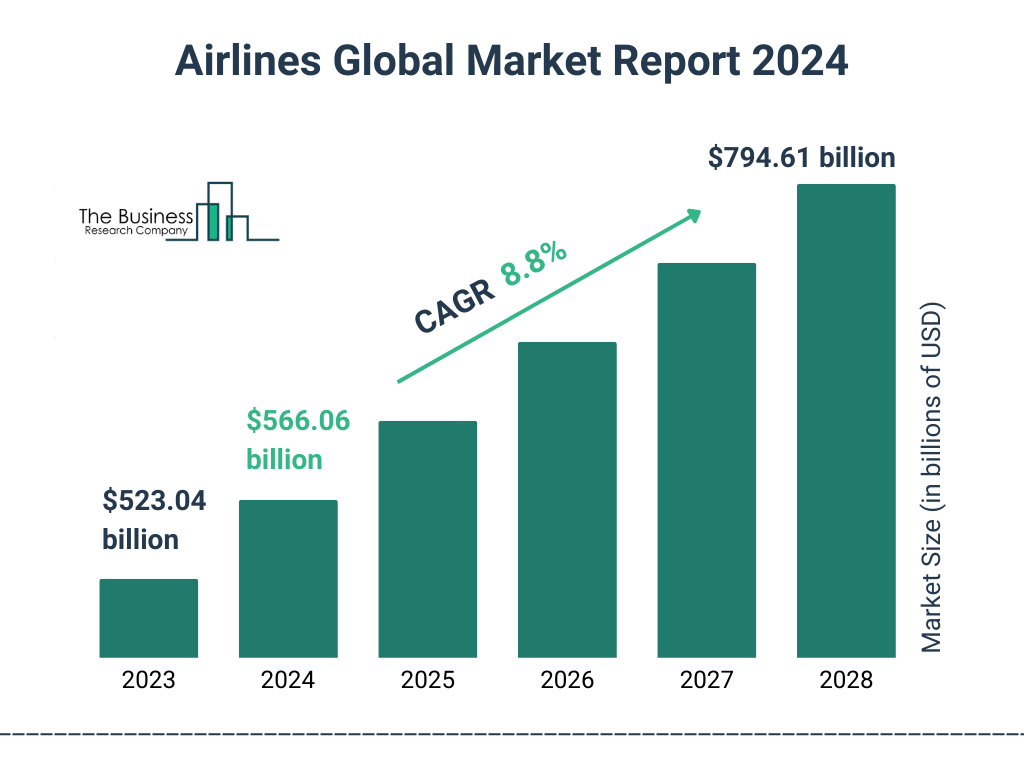
The Numbers Tell a Story of Quiet Desperation
The travel industry's confidence is cracking along predictable fault lines. Only 46% of Americans plan summer vacations this year, down from 53% in 2024. Overseas visits to the United States fell 11.6% in March 2025 compared to the previous year. Yet here's the counterintuitive part: those who are traveling are spending more per trip. Airline spending per consumer rose 14% to $346, while hotel costs climbed similarly.
This creates a perfect storm for deals.
Airlines built their 2025 capacity expecting pre-pandemic demand patterns to hold. Instead, they're facing a bifurcated market where fewer people travel, but those who do are willing to pay for premium experiences. The result? Empty economy seats that carriers are practically giving away to avoid flying half-full planes.
The math is brutal for airlines. A half-empty flight costs nearly as much to operate as a full one, but generates far less revenue. Better to sell seats at 50% off than fly them empty. This explains why "mistake fares" have become less mistake and more strategy.
What Counts as a Real Deal Right Now
Not all discounted fares deserve your attention, but some represent genuine opportunities. True mistake fares still occur due to currency conversion errors, fare calculation glitches, or communication breakdowns between booking systems. These can slash international flights by 80-90%, like recent $200 round-trip tickets from New York to London that normally cost $800.
"January will be the cheapest month of the year to book travel until the fall shoulder season in September and October." - Industry analyst Sara Berg
But the real action is in strategic pricing. Airlines are using dynamic algorithms to slash fares on underperforming routes in real-time. A Tuesday afternoon flight from Chicago to Denver might drop from $400 to $180 if bookings lag. These aren't mistakes—they're calculated moves to fill seats.
Package deals are making an unexpected comeback as hotels and airlines bundle services to capture price-sensitive travelers. Tour operators report compound annual growth rates of 3.5% through 2029, driven partly by consumers who want predictable, all-inclusive pricing in uncertain economic times.
The Economic Forces Behind the Fire Sale
Two key factors are driving this pricing environment: economic anxiety and shifting consumer priorities. About 68% of survey respondents cite the cost of everyday life as their primary concern, overshadowing travel costs. When mortgage payments, grocery bills, and childcare consume larger budget shares, vacation spending gets squeezed.
Airlines also face operational realities that favor aggressive discounting. Increased airplane capacity means more seats competing for the same passengers. Lower jet fuel costs give carriers flexibility to cut prices without destroying margins completely. The combination creates opportunities for travelers who can book quickly and travel flexibly.
International travel faces additional headwinds from tariff concerns, border policy uncertainty, and general geopolitical anxiety. This particularly affects long-haul routes, where airlines are struggling to fill premium cabins that typically subsidize economy pricing.
How to Actually Capitalize on This Moment
The key to finding genuine deals lies in timing and flexibility. Airlines typically release mistake fares or strategic discounts during low-demand periods: Tuesday afternoons, late evenings, or during major news cycles when booking attention wanes. Set up fare alerts for routes you're interested in, but be ready to book within hours of notification.
Focus on off-peak destinations and travel dates. A Wednesday departure to a secondary city often costs 40-60% less than weekend travel to major hubs. Consider package deals that bundle flights, hotels, and sometimes car rentals—tour operators are offering significant discounts to capture market share.

Book refundable fares when possible, or understand cancellation policies thoroughly. If you find a mistake fare, book immediately and ask questions later. Airlines honor most legitimate bookings, even if priced incorrectly, but they can correct errors before you complete purchase.
Use credit cards that offer trip protection and earning bonuses on travel purchases. Some cards provide automatic insurance coverage that makes booking mistake fares less risky.
Why This Window Is Closing Fast
Airlines are sophisticated revenue managers who won't let profitable opportunities slip away indefinitely. Current pricing reflects genuine overcapacity and demand uncertainty, but these conditions won't persist. As booking patterns stabilize and airlines adjust capacity to match actual demand, aggressive pricing will diminish.
The mistake fare phenomenon particularly depends on system complexity and human error rates that airlines are working to minimize. Improved pricing algorithms and automated oversight reduce the likelihood of dramatic pricing errors.
Economic anxiety is creating a temporary mismatch between airline capacity and consumer demand—a situation that historically corrects within 6-12 months.
Additionally, as fuel costs potentially rise and operational expenses normalize post-pandemic, airlines will have less margin for deep discounting. The current environment represents a brief alignment of factors that favor consumer pricing power.
Smart travelers will treat this as a limited-time opportunity rather than a permanent market shift. Book the trips you've been considering, especially international destinations where current pricing may not repeat for several years. The airline industry's quiet panic is your temporary advantage, but like all advantages in competitive markets, it won't last forever.