Your Air Fryer Is Poisoning Your Home's Air (But Not How You Think)
New research reveals the surprising truth about air fryer emissions—and it's the opposite of what everyone's saying.
While health influencers panic about air fryers releasing "toxic particles" into your kitchen, scientists at the University of Birmingham just discovered something remarkable: your air fryer is actually one of the cleanest appliances in your kitchen. The real story isn't about dangerous emissions—it's about how we've been measuring indoor air quality all wrong.
The Numbers That Flip Everything Upside Down
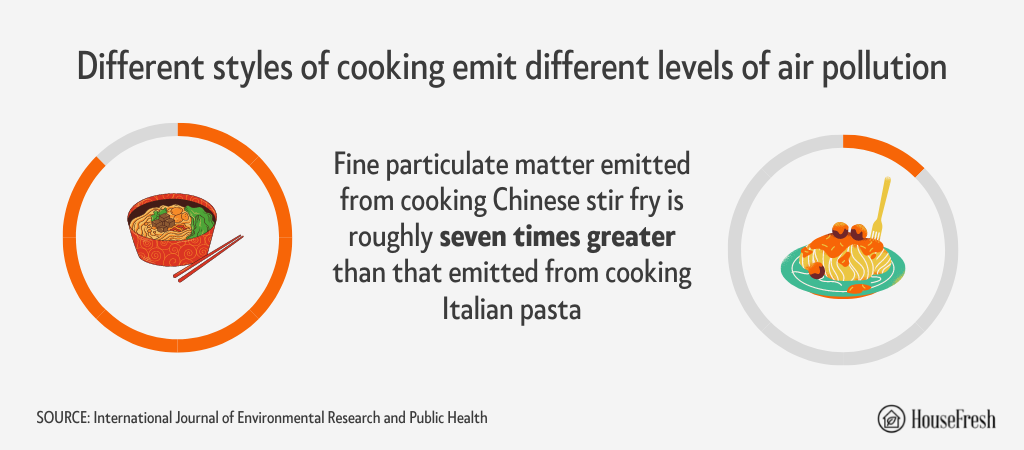
When researchers compared particulate matter emissions across cooking methods, air fryers produced 23% fewer volatile organic compounds (VOCs) than traditional pan frying. Even more striking: they generated significantly fewer ultrafine particles than conventional ovens when cooking the same foods.
Dr. Ruijie Tang's team at Birmingham tested this using foods with different fat contents—from lean chicken breast to fatty bacon. The results held consistent across the board. Air fryers consistently outperformed traditional cooking methods in terms of air quality impact.
But here's where it gets interesting. One study found that air fryers can emit PM2.5 concentrations that exceed daily thresholds under poor ventilation conditions. The catch? So does every other cooking appliance—and air fryers still perform better than most.
The real culprit isn't your air fryer. It's your ventilation.
Why Your Kitchen Ventilation Is Failing You
Most home range hoods operate at 200-400 cubic feet per minute (CFM). Commercial kitchens require systems that move 1,500-3,000 CFM. The 2022 energy code now mandates 55% capture efficiency for residential hoods—a standard most existing installations don't meet.
The problem compounds when you consider particle size. Ultrafine particles (smaller than 0.1 micrometers) behave differently than larger particles. They stay airborne longer and penetrate deeper into your respiratory system. Standard range hoods struggle to capture these microscopic pollutants effectively.

Research from Chinese restaurant workers—who face extreme cooking emissions daily—shows that ultrafine particle exposure correlates with respiratory symptoms, cardiovascular issues, and inflammatory responses. But the exposure levels in these commercial settings dwarf what you'd encounter in home cooking, even with poor ventilation.
"The tiny particles have been linked with issues like heart attacks and arrhythmias, worsening asthma, and respiratory symptoms such as coughing."
The Fat Content Factor Nobody Talks About
The Birmingham researchers tested something crucial that previous studies missed: how food composition affects emissions. They cooked identical portions of chicken breast, pork, and other proteins using different methods and measured the resulting air quality impact.
Higher-fat foods do increase particle emissions from air fryers. But they increase emissions even more dramatically from conventional frying methods. A fatty piece of bacon cooked in a traditional pan releases significantly more particulate matter than the same bacon cooked in an air fryer.
This matters because it challenges the narrative that air fryers are uniquely problematic. Every cooking method releases particles when you heat oils and proteins. Air fryers just happen to do it more efficiently—meaning less total emission for the same cooking result.
What the Appliance Industry Actually Doesn't Want You to Know
Here's the real secret the appliance industry doesn't advertise: air fryers work best with proper clearance and ventilation, just like any other cooking appliance. The user manuals recommend 5-6 inches of clearance on all sides, but most people ignore this guidance.
Commercial kitchens installing air fryers don't need special ventilation systems beyond standard requirements. The reason? Air fryers produce fewer emissions than the deep fryers, grills, and sauté stations they already accommodate.
The industry also doesn't emphasize that regular cleaning dramatically reduces emissions. A dirty air fryer with built-up grease and food residue produces more particles than a clean one. This applies to all cooking appliances, but air fryers make it more obvious because the cooking chamber is smaller and more contained.
The Real Indoor Air Quality Threats in Your Kitchen
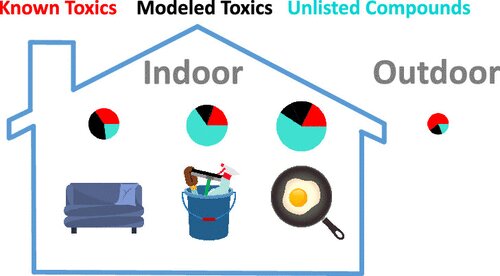
While everyone focuses on air fryers, the actual indoor air quality threats in your kitchen remain largely ignored. Gas stoves produce nitrogen dioxide continuously, even when not in use. Cleaning products release volatile organic compounds that persist for hours. Poor ventilation traps all cooking emissions, regardless of the appliance.
A study examining occupational exposure in restaurant kitchens found that workers faced particle concentrations 10-50 times higher than what you'd encounter in home cooking. Even accounting for air fryer emissions, your exposure remains orders of magnitude lower than these professional environments.
The particle size distribution matters too. Cooking methods that create visible smoke and steam often produce larger particles that settle quickly. Air fryers, operating at lower temperatures with circulated air, tend to produce fewer visible emissions while maintaining similar or better cooking results.
What You Actually Need to Do
Focus on ventilation, not appliance choice. If you're concerned about indoor air quality, install a range hood that moves at least 300 CFM and exhausts to the outside. Open windows when cooking, especially during high-heat methods like searing or roasting.
Clean your air fryer after each use. Built-up grease and food particles create more emissions during subsequent cooking sessions. This applies to all appliances—a dirty oven or stovetop produces more particulate matter than a clean air fryer.
Consider cooking method context. If you're replacing deep frying with air frying, you're dramatically reducing your indoor air quality impact. If you're replacing steaming or boiling with air frying, you might see a slight increase in particles—but still less than traditional oven cooking.
The real measure of indoor air quality isn't which appliance you use—it's how well you ventilate your kitchen and maintain your equipment.
The research is clear: air fryers aren't indoor air quality villains. They're actually among the cleaner options in your kitchen. The real story is that all cooking produces some emissions, and proper ventilation matters more than appliance choice. Your air fryer isn't poisoning your home's air—inadequate ventilation is.