The $3 Billion About-Face: How RFK Jr. Went From Glyphosate's Biggest Enemy to Its Government Champion
The anti-pesticide crusader who won lawsuits against Monsanto now defends mass production of the chemical he once called cancer-causing.
In 2018, Robert F. Kennedy Jr. stood in a San Francisco courtroom and convinced a jury that Monsanto's Roundup weedkiller caused a groundskeeper's terminal cancer. The $289 million verdict made headlines worldwide. Kennedy called glyphosate, Roundup's active ingredient, a "probable human carcinogen" and vowed to keep fighting Big Agriculture's chemical empire.

Six years later, as Health and Human Services Secretary, Kennedy is defending President Trump's executive order to boost domestic glyphosate production using the Defense Production Act. The same chemical he spent decades fighting in court is now essential for America's "food security," according to Kennedy's recent social media posts.
This isn't just political hypocrisy. It's a $3 billion industry pivot that reveals how power changes everything.
The Lawyer Who Took Down Monsanto
Kennedy built his environmental reputation suing corporations over toxic chemicals. Starting in 1985 with Riverkeeper, he won hundreds of cases against polluters poisoning waterways and communities. Glyphosate became his white whale.
The science seemed clear to Kennedy. The International Agency for Research on Cancer classified glyphosate as a "probable carcinogen" in 2015. Internal Monsanto documents revealed the company knew about potential cancer risks but buried the evidence. Kennedy's law firm won case after case, ultimately securing over $2 billion in settlements for plaintiffs who claimed Roundup caused their non-Hodgkin's lymphoma.
"We will hold them accountable for the cancers, the non-Hodgkin's lymphomas, that their product is causing in people across the country," Kennedy declared during the litigation peak.
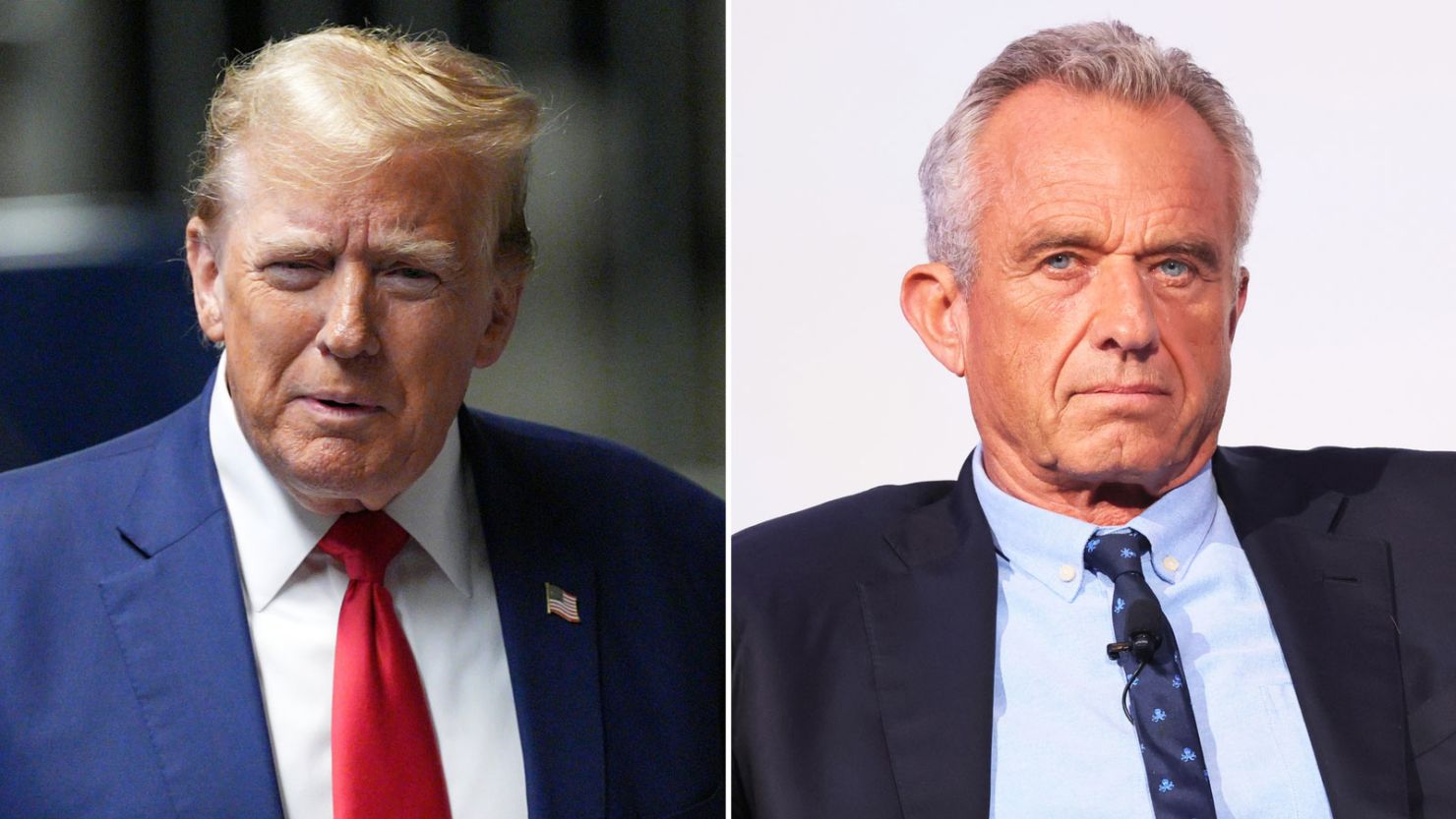
During his 2024 presidential campaign, Kennedy made pesticide reduction a cornerstone issue. He promised to "ensure that everybody will be protected from harmful chemicals, pollutants, pesticides." His Make America Healthy Again (MAHA) movement attracted millions of health-conscious voters who believed Trump-Kennedy would clean up the food supply.
The Executive Order That Changed Everything
On February 19, 2026, Trump signed an executive order invoking the Defense Production Act to increase domestic production of elemental phosphorus and glyphosate-based herbicides. The order framed chemical independence as national security, directing the Agriculture Secretary to ensure "adequate supply" of glyphosate products.
The timing wasn't coincidental. Global supply chains remain fragile, and America imports significant portions of its agricultural chemicals. Russia and China control major phosphorus supplies. Trump's order aimed to reduce that dependence.
But for MAHA supporters, the order felt like betrayal. Zen Honeycutt, founder of Moms Across America and a prominent MAHA activist, responded directly to Kennedy's defense: "Not a single thing has been done by the EPA to reduce our children's and families exposure to pesticides."
"This report will stir unjustified fear and confusion among American consumers, who live in the country with the safest and most abundant food supply in the world." — Farm industry response to Kennedy's pesticide health report
The backlash was immediate and fierce. Fitness personality Jillian Michaels called Kennedy's position "devastating." Social media exploded with accusations of sellout behavior from the same activists who had championed Kennedy's nomination.
Kennedy's Impossible Balance
Kennedy's defense revealed the complexity of his new role. In social media posts, he argued that abrupt glyphosate bans would "hurt farms and raise prices" while acknowledging the need for "workable alternatives." He emphasized supporting farmer transitions "without threatening their livelihoods."
The Health Secretary found himself caught between competing truths. American agriculture depends heavily on glyphosate. Over 280 million pounds are applied annually to crops that feed the nation. Sudden restrictions could create food shortages and price spikes that would hit working families hardest.

Meanwhile, Kennedy continues pushing other health initiatives that align with MAHA principles. His department released reports linking pesticide overuse to children's health problems. He's advocated for organic food programs and stricter chemical testing. But the glyphosate contradiction looms large.
"Soil health is declining. Foreign markets are shutting out American produce. Farmers want workable alternatives," Kennedy posted, trying to thread the needle between immediate agricultural needs and long-term health goals.
The Science Behind the Reversal
Kennedy's position shift highlights the messy reality of pesticide science. While the International Agency for Research on Cancer lists glyphosate as probably carcinogenic, the EPA maintains it's safe when used properly. Bayer, which acquired Monsanto, continues defending Roundup's safety profile.
Recent studies muddy the waters further. Some research suggests glyphosate's cancer risk is minimal compared to other agricultural chemicals. Other studies link it to neurological problems and gut microbiome disruption. The scientific consensus Kennedy once claimed doesn't actually exist.
This uncertainty gives Kennedy political cover for his reversal, but it doesn't satisfy activists who expected him to err on the side of caution. The same man who argued juries should believe cancer victims over corporate scientists now cites regulatory agencies that have historically favored industry interests.
What This Means for Your Food
Kennedy's glyphosate flip signals broader trends in American food policy. Despite campaign promises to revolutionize agriculture, the Trump administration is prioritizing production over precaution. The Defense Production Act order ensures glyphosate remains cheap and available, maintaining current farming practices.
For consumers, this means continued exposure to glyphosate residues in food. The EPA allows glyphosate residues on wheat, soybeans, corn, and other staples at levels Kennedy once called dangerous. Organic food remains the primary way to avoid exposure, but it represents less than 6% of total food sales.

The political implications extend beyond food policy. Kennedy's reversal has fractured the MAHA coalition that helped elect Trump. Many health-conscious voters feel deceived, potentially weakening Trump's support among suburban families who prioritized food safety issues.
Kennedy's transformation from glyphosate warrior to production advocate illustrates how government power changes everything. The lawyer who made millions suing chemical companies now oversees agencies that regulate them. The activist who promised to protect children from toxins now defends policies that maintain their exposure.
"We will hold them accountable for the cancers, the non-Hodgkin's lymphomas, that their product is causing in people across the country." — RFK Jr. in 2018, before becoming Health Secretary
Whether Kennedy can rebuild trust with health advocates while maintaining agricultural production remains unclear. His department continues researching pesticide alternatives and supporting organic initiatives. But the glyphosate executive order represents a fundamental shift from confrontation to accommodation with chemical agriculture.
For American consumers, Kennedy's about-face sends a clear message: don't expect dramatic changes to the food supply anytime soon. The same chemicals that dominated agriculture before Trump will likely continue dominating it during his presidency, regardless of health concerns or campaign promises. If you want to avoid glyphosate, you'll need to seek out organic options and pay the premium. The government that once seemed poised to protect you from agricultural chemicals has decided those chemicals are too important to restrict.